Iron deficiency is a widespread global health challenge that affects billions of people, particularly in developing nations. Despite the availability of iron supplements, many individuals experience challenges in absorbing iron effectively. Recent research led by a team of scientists, including Zhou, Gowachirapant, and Zeder, has unveiled a groundbreaking innovation designed to tackle this issue head-on. Their study reveals that oat protein nanofibril–iron hybrids can serve as a stable and high-absorption platform for iron delivery, potentially transforming iron fortification strategies.
The problem of iron deficiency anemia has been a prevailing concern for decades, with the World Health Organization estimating that around 1.62 billion people suffer from it worldwide. The urgency for effective interventions is more pressing than ever, as this deficiency can lead to significant health issues, especially in vulnerable populations such as children, pregnant women, and the elderly. Conventional iron supplements often present challenges related to bioavailability, leading researchers in search of more efficient methods for iron fortification.
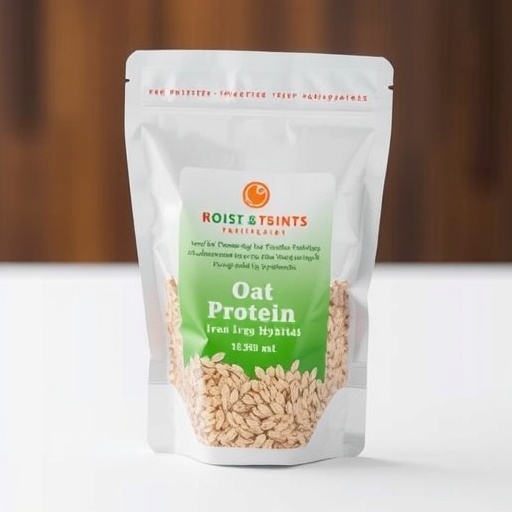
In pursuing a solution, the research team turned their attention to oat protein. Oats are a widely consumed grain that ranks highly in nutritional value. By employing advanced methods to combine oat protein with iron in a nanofibril configuration, the scientists created a hybrid material that significantly enhances the delivery and absorption of iron in the human body. This nanostructured approach is a notable departure from traditional iron fortification techniques, paving the way for more effective dietary solutions.
At the molecular level, the nanofibrils engineered from oat protein exhibit unique binding properties that facilitate the encapsulation of iron. Through this process, the iron becomes more accessible for absorption within the gastrointestinal tract. This is paramount, as many individuals face challenges in absorbing iron from conventional sources due to various dietary factors. By creating a means of delivering iron in a form that the body can better utilize, the researchers are providing a potential game-changing solution to iron deficiency.
The stability of the oat protein nanofibril–iron hybrids is another critical aspect of this research. The study indicates that these hybrids not only effectively deliver iron but do so without succumbing to degradation over time. This is an important consideration for fortification strategies aimed at long shelf-life products. Many iron-fortified foods lose their efficacy over time due to the instability of iron compounds, but the inclusion of oat protein nanofibrils may offer an innovative way to sidestep this challenge.
Furthermore, the researchers evaluated the absorption efficiency of the oat protein modified iron through rigorous in vitro and in vivo testing. Their results demonstrated a marked increase in iron absorption compared to traditional iron supplements. Owing to the unique structural attributes of the nanofibrils, the study provides robust evidence supporting the hypothesis that the oat protein-based hybrids can significantly improve iron bioavailability. This finding could lead to a paradigm shift in how nutritionists and health professionals approach iron fortification.
Beyond the immediate implications for iron deficiency, this research also opens doors to broader applications in the field of food fortification. The technology harnessed in developing this hybrid material could extend to other micronutrients and bioactive compounds, offering a versatile platform that enhances fortification across various food products. The possibilities for enriching staple foods with essential nutrients not only benefit individual health but could also bolster public health initiatives on a global scale.
As the conversation surrounding sustainable food sources and health-conscious diets continues to grow, the significance of this research cannot be overstated. The oat protein nanofibril–iron hybrids exemplify how food science can be leveraged to create solutions that address critical health issues. The findings put forth by Zhou and colleagues urge both food manufacturers and policymakers to reconsider current strategies in addressing micronutrient deficiencies.
Health organizations and nutritionists may soon find themselves advocating for the inclusion of these innovative hybrids in a range of food items. Breakfast cereals, energy bars, and baked goods may all benefit from this new approach, increasing iron intake among consumers without requiring significant changes in dietary habits. This research holds promise not only for enhancing individual health but also for pursuing sustainable approaches to nutrition that cater to evolving consumer demands.
In conclusion, the advancements presented in this study illuminate a path forward in the battle against iron deficiency. The creation of oat protein nanofibril–iron hybrids is a crucial step that could redefine how we view food fortification. By promoting better absorption and providing a more stable iron source, this innovative research offers hope to millions suffering from iron deficiency anemia. Moving forward, it will be imperative to continue exploring the implications of these findings in practical settings to fully realize their potential benefits for global health.
The fusion of food science and health innovation has the potential to reshape dietary guidelines and fortification protocols in ways once considered unattainable. As we advance into an era where technology and nutrition intersect more profoundly, the research led by Zhou and colleagues highlights the pivotal role that scientific inquiry plays in improving public health outcomes worldwide. With further exploration and implementation, the future of iron fortification may become not just a possibility but a standard practice.
Subject of Research: Iron fortification using oat protein nanofibril–iron hybrids.
Article Title: Oat protein nanofibril–iron hybrids offer a stable, high-absorption iron delivery platform for iron fortification.
Article References:
Zhou, J., Gowachirapant, S., Zeder, C. et al. Oat protein nanofibril–iron hybrids offer a stable, high-absorption iron delivery platform for iron fortification. Nat Food (2025). https://doi.org/10.1038/s43016-025-01260-6
Image Credits: AI Generated
DOI: https://doi.org/10.1038/s43016-025-01260-6
Keywords: Iron deficiency, oat protein, nanofibrils, iron fortification, bioavailability, food science, nutrition, public health.
Tags: advanced iron absorption methodsbioavailability of iron supplementseffective iron fortification solutionsglobal health challengesinnovative nutrition solutionsiron deficiency anemia interventionsiron delivery platformsnutritional value of oatsoat protein iron hybridsoat protein nanofibrilsresearch on dietary fortificationvulnerable populations and iron deficiency