

• HOME
  • NEWS
  • EXPLORE
    • CAREER
      • Companies
      • Jobs
    • EVENTS
    • iGEM
      • News
      • Team
    • PHOTOS
    • VIDEO
    • WIKI
  • BLOG
  • COMMUNITY
    • FACEBOOK
    • INSTAGRAM
    • TWITTER
Tuesday, October 6, 2026
BIOENGINEER.ORG
No Result
View All Result
  • Login
  • HOME
  • NEWS
  • EXPLORE
    • CAREER
      • Companies
      • Jobs
        • Lecturer
        • PhD Studentship
        • Postdoc
        • Research Assistant
    • EVENTS
    • iGEM
      • News
      • Team
    • PHOTOS
    • VIDEO
    • WIKI
  • BLOG
  • COMMUNITY
    • FACEBOOK
    • INSTAGRAM
    • TWITTER
No Result
View All Result
Bioengineer.org
No Result
View All Result
Home NEWS Science News Health

NSU M.D. college researcher receives NIH grant to study tissue regeneration

Bioengineer by Bioengineer
July 13, 2018
in Health
Reading Time: 2 mins read
0
Share on FacebookShare on TwitterShare on LinkedinShare on RedditShare on Telegram
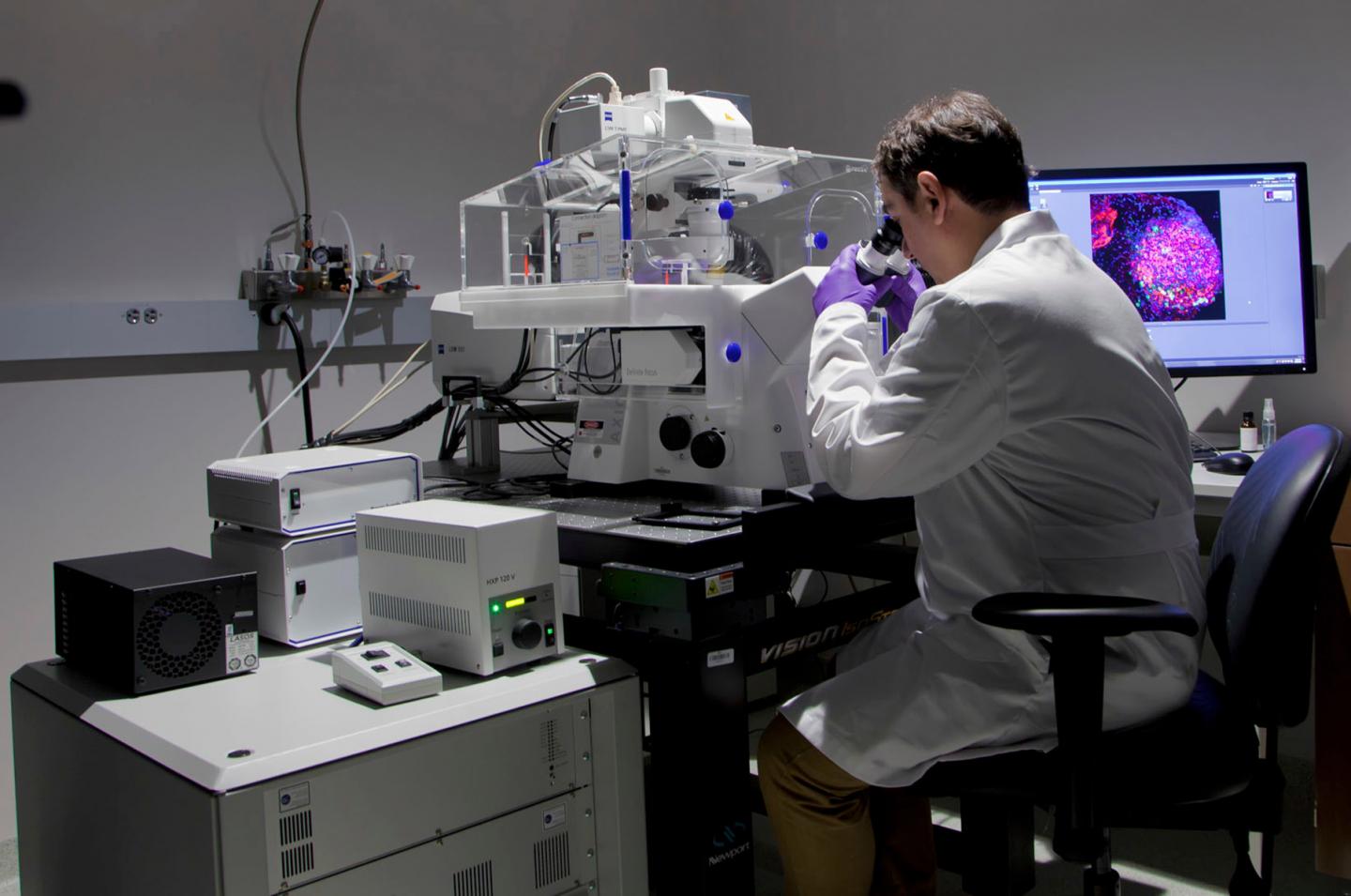
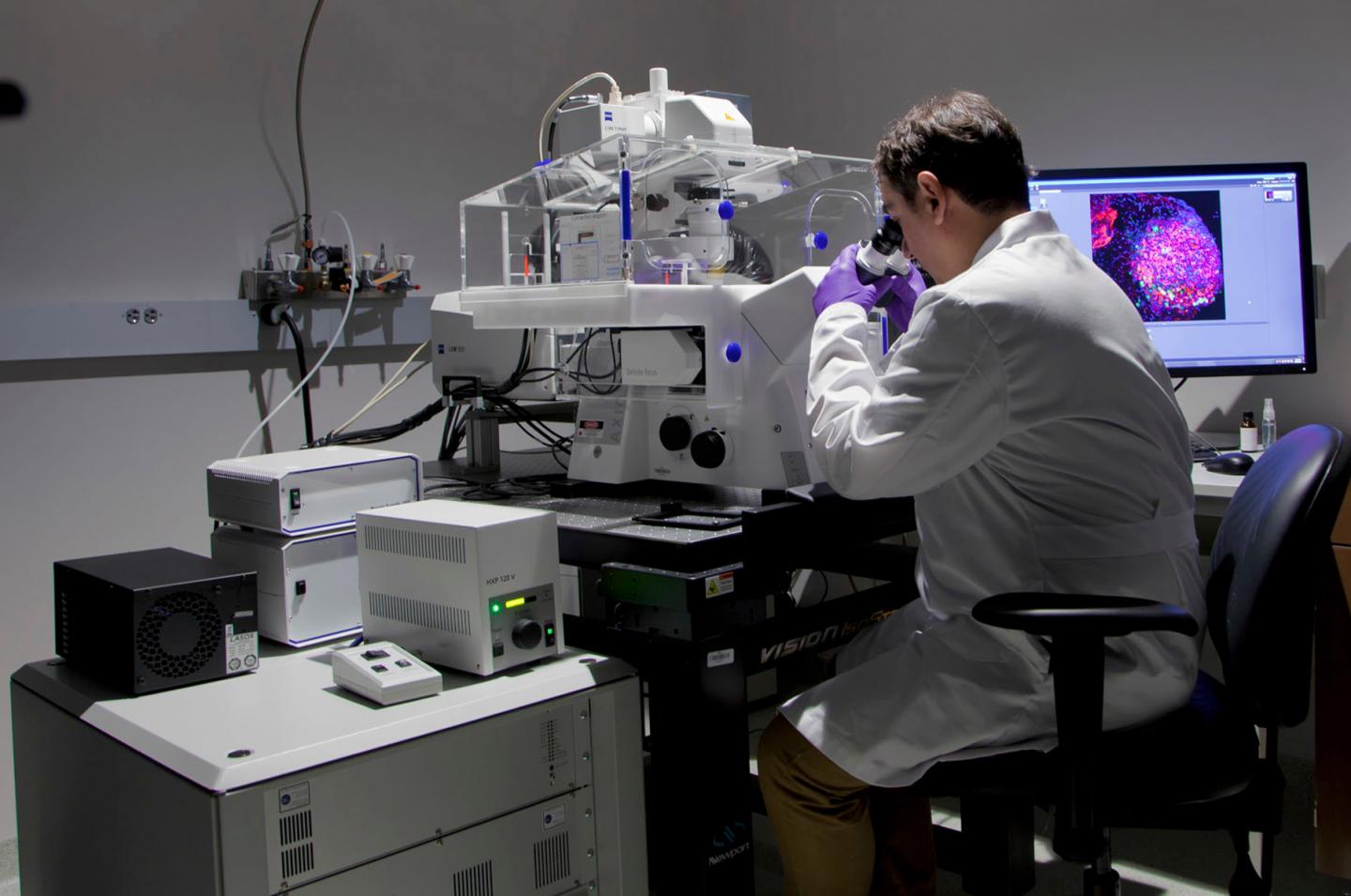
IMAGE

Credit: Nova Southeastern University

Vladimir Beljanski, Ph.D., clinical research assistant professor, Nova Southeastern University Dr. Kiran C. Patel College of Allopathic Medicine (NSU MD), received a $454,924 grant from the National Institutes of Health to fund a project titled "Modulation of therapeutic cells exosome content by autophagy."

Recent discoveries suggest that the success of therapeutic cells, such as mesenchymal stromal cells (MSCs), in regenerating damaged tissues can be attributed to secretion of various biomolecules via small vesicles called exosomes. Exosomes contain molecules such as proteins, DNA, mRNA and microRNA and contribute to tissue repair. This study aims to understand how cellular a self-digestion pathway – called autophagy – affects both quantity and quality of biomolecules stored in exosomes with an aim to make therapeutic cells more efficient.

"Our ultimate goal is to find better ways to heal wounds faster and increase the capacity of therapeutic cells to facilitate organ healing," said Dr. Beljanski, who is part of the NSU Cell Therapy Institute, which is housed in the Center for Collaborative Research. "Understanding how manipulation of autophagy affects therapeutic properties of MSCs and their secreted biomolecules can help improve their therapeutic properties, ultimately benefitting patients through tissue regeneration."

In addition to Dr. Beljanski, who serves as the primary investigator, the NSU research team includes co-investigators Lubov Nathanson, Ph.D., and Malav Trivedi, Ph.D.

###

Research reported in this publication was supported by the National Institute Of General Medical Sciences of the National Institutes of Health under Award Number R15 GM128189. The content is solely the responsibility of the authors and does not necessarily represent the official views of the National Institutes of Health.

Media Contact

Jeremy Katzman
[email protected]
954-661-7000

http://www.nova.edu

Original Source

https://nsunews.nova.edu/nsu-m-d-college-researcher-receives-nih-grant-to-study-tissue-regeneration/
Share18Tweet8Share2ShareShareShare2

Related Posts

Chop Wood, Carry Water: A Physician's Case for Mindful Attention in Medicine

Chop Wood, Carry Water: A Physician’s Case for Mindful Attention in Medicine

October 5, 2026
AI Ensemble Reads Blood Smears With Near-Perfect Accuracy to Identify Malaria Parasites

AI Ensemble Reads Blood Smears With Near-Perfect Accuracy to Identify Malaria Parasites

October 5, 2026

Adding Brain Radiotherapy to Targeted Drugs Extends Survival in Lung Cancer Patients with Brain Metastases

October 5, 2026

Fibroblast Shield: How Osteosarcoma Builds a Wall Against the Immune System

October 5, 2026
Please login to join discussion

POPULAR NEWS

  • Alloys That Shrink Their Own Grains: New PIX Mechanism Refines Metals With Heat Alone

    Alloys That Shrink Their Own Grains: New PIX Mechanism Refines Metals With Heat Alone

    29 shares
    Share 12 Tweet 7
  • Endurance Exercise Reshapes the Liver in Males and Females Through Distinct Molecular Routes

    29 shares
    Share 12 Tweet 7
  • Single Transcription Factor PU.1 Rapidly Converts Fibroblasts into Macrophage-Lineage Cells

    29 shares
    Share 12 Tweet 7
  • New Scale Measures How Ready Nurse Educators Really Are for the AI Era

    29 shares
    Share 12 Tweet 7

About

We bring you the latest biotechnology news from best research centers and universities around the world. Check our website.

Follow us

Recent News

Alloys That Shrink Their Own Grains: New PIX Mechanism Refines Metals With Heat Alone

Endurance Exercise Reshapes the Liver in Males and Females Through Distinct Molecular Routes

Single Transcription Factor PU.1 Rapidly Converts Fibroblasts into Macrophage-Lineage Cells

Subscribe to Blog via Email

Success! An email was just sent to confirm your subscription. Please find the email now and click 'Confirm' to start subscribing.

Join 85 other subscribers
  • Contact Us

Bioengineer.org © Copyright 2023 All Rights Reserved.

Welcome Back!

Login to your account below

Forgotten Password?

Retrieve your password

Please enter your username or email address to reset your password.

Log In
No Result
View All Result
  • Homepages
    • Home Page 1
    • Home Page 2
  • News
  • National
  • Business
  • Health
  • Lifestyle
  • Science

Bioengineer.org © Copyright 2023 All Rights Reserved.
