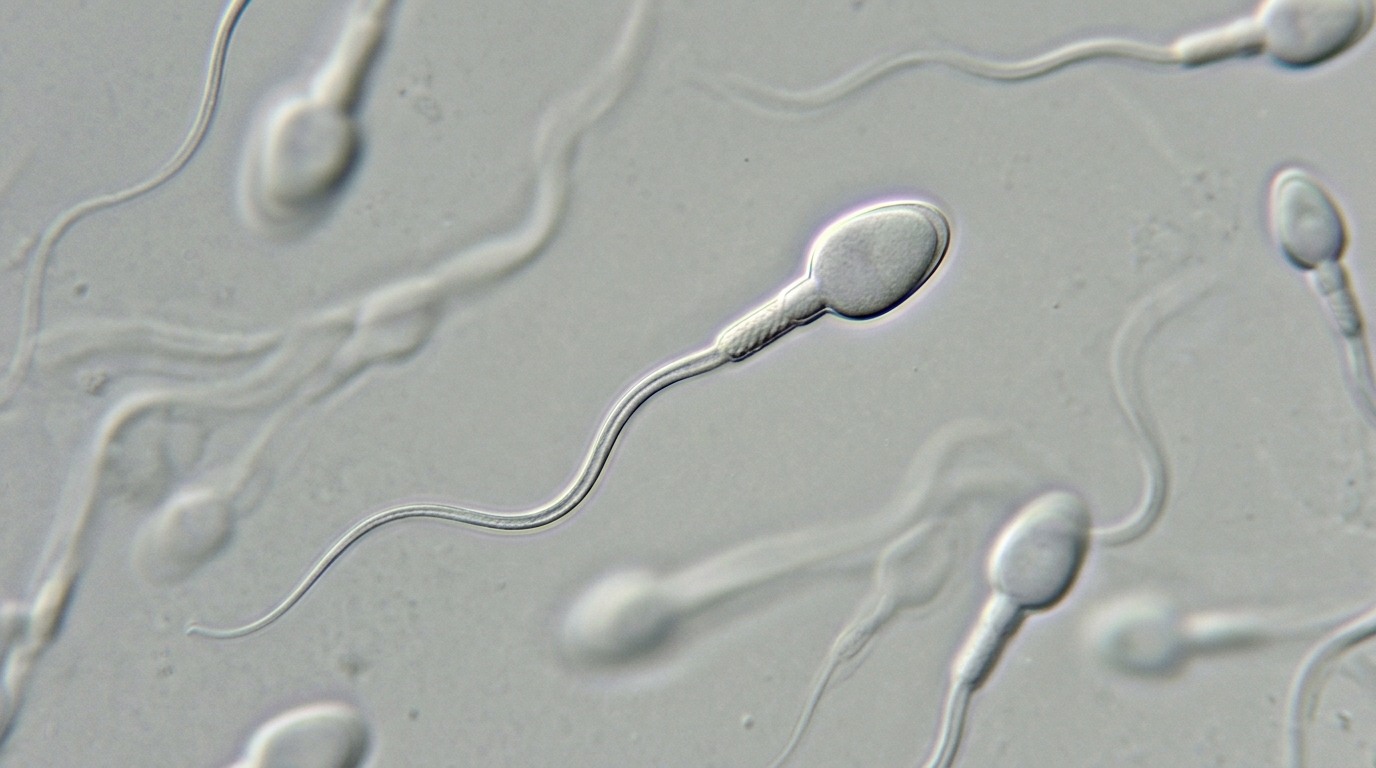
A newly established molecular evaluation technology system for human spermatozoa characteristics has identified five target molecules presenting abnormal phenotypes across 800 clinical samples exhibiting diverse clinical manifestations of male infertility. The investigation, published in the European Journal of Medical Research, demonstrated that abnormal functional phenotypes—including deficient, decreased, increased, shifted, or disabled molecular presentations—could be identified to determine potential etiological causes underlying male reproductive impairment.
According to the researchers, male infertility is predominantly attributable to diminished spermatozoa characteristics, manifesting clinically across a wide spectrum that includes normozoospermia, asthenozoospermia, oligozoospermia, oligoasthenozoospermia, necrozoospermia, and teratozoospermia. The underlying etiology across these distinct manifestations remains highly complex and heterogeneous. While clinicians currently employ various standard techniques to evaluate human spermatozoa characteristics, conventional diagnostic workflows have lacked a specialized technology capable of precisely detecting molecular phenotypes to establish direct etiological diagnoses.
To address this technical gap, the investigative team established the molecular evaluation technology system for human spermatozoa characteristics, abbreviated as MEHS. The integrated system incorporates three foundational components designed to evaluate functional spermatozoa characteristics: a molecular antibody hybridization immunofluorescence assay, dedicated quantitative analysis software engineered to evaluate human spermatozoa functional molecule phenotypes, and a comprehensive landmark atlas detailing normal human spermatozoa functional molecule phenotypes.
The system was applied to evaluate 800 clinical samples presenting with various manifestations to judge spermatozoa function and molecular characteristics. By benchmarking clinical samples against the landmark atlas of normal phenotypes and measuring signals with quantitative software, the platform enabled the identification of male infertility target molecules. Specifically, the analysis revealed five distinct target molecules that exhibited abnormal phenotypes, encompassing deficient expression, decreased levels, elevated quantities, shifted cellular locations, or functionally disabled states.
The study recorded specific male infertility rates associated with molecular abnormalities across the examined clinical groups. Overall, the male infertility rate associated with different manifestations evaluated via the system was 79.4 percent. Among patients diagnosed with infertile normozoospermia, the associated rate was 44 percent, whereas among patients presenting with oligozoospermia, oligoasthenozoospermia, and necrozoospermia, the rate reached 95 percent, highlighting substantial variation in molecular phenotype abnormalities across differing semen parameter profiles.
The study authors concluded that MEHS can accurately detect spermatozoa molecular phenotypes in male infertility and identify specific target molecules, revealing whether infertility is driven by the abnormal expression of one or multiple molecules. Furthermore, the researchers noted that precise molecular evaluation via MEHS assists clinicians in selecting optimal assisted reproductive technology protocols, thereby reducing unnecessary diagnostic procedures, repeated treatment cycles, and associated patient costs while addressing existing limitations in clinical spermatozoa evaluation.
Subject of Research: Molecular evaluation of human spermatozoa characteristics in male infertility
Article Title: Creation and practice of a novel molecular evaluation technical system for human spermatozoa characteristics
Article References: Li, J., Wang, H., Gu, Y., Hong, K., Lu, W., Fan, C., Shi, H., Zhang, H., Lin, H., Zhang, J., Jiang, K., Xu, J., Du, J., Wang, W., Liu, J., & Liu, Y. (2026). Creation and practice of a novel molecular evaluation technical system for human spermatozoa characteristics. European Journal of Medical Research. https://doi.org/10.1186/s40001-026-05449-8
Image Credits: AI Generated
DOI: 10.1186/s40001-026-05449-8
Keywords: male infertility, human spermatozoa, molecular evaluation technology system, MEHS, molecular phenotype, normozoospermia, asthenozoospermia, oligozoospermia, oligoasthenozoospermia, necrozoospermia, teratozoospermia, functional molecule phenotypes, antibody hybridization immunofluorescence, assisted reproductive technology, etiological diagnosis, landmark atlas, quantitative analysis software
News Source: Ophelia Keating. (November 14, 2026). Novel Molecular Evaluation System Detects Target Abnormalities in Human Spermatozoa Samples. Scienmag.