• HOME
  • NEWS
  • EXPLORE
    • CAREER
      • Companies
      • Jobs
    • EVENTS
    • iGEM
      • News
      • Team
    • PHOTOS
    • VIDEO
    • WIKI
  • BLOG
  • COMMUNITY
    • FACEBOOK
    • INSTAGRAM
    • TWITTER
Wednesday, May 13, 2026
BIOENGINEER.ORG
No Result
View All Result
  • Login
  • HOME
  • NEWS
  • EXPLORE
    • CAREER
      • Companies
      • Jobs
        • Lecturer
        • PhD Studentship
        • Postdoc
        • Research Assistant
    • EVENTS
    • iGEM
      • News
      • Team
    • PHOTOS
    • VIDEO
    • WIKI
  • BLOG
  • COMMUNITY
    • FACEBOOK
    • INSTAGRAM
    • TWITTER
  • HOME
  • NEWS
  • EXPLORE
    • CAREER
      • Companies
      • Jobs
        • Lecturer
        • PhD Studentship
        • Postdoc
        • Research Assistant
    • EVENTS
    • iGEM
      • News
      • Team
    • PHOTOS
    • VIDEO
    • WIKI
  • BLOG
  • COMMUNITY
    • FACEBOOK
    • INSTAGRAM
    • TWITTER
No Result
View All Result
Bioengineer.org
No Result
View All Result
Home NEWS Science News Health

Nodulation connected to higher resistance against powdery mildew in legumes

Bioengineer by Bioengineer
October 7, 2019
in Health
Reading Time: 2 mins read
0
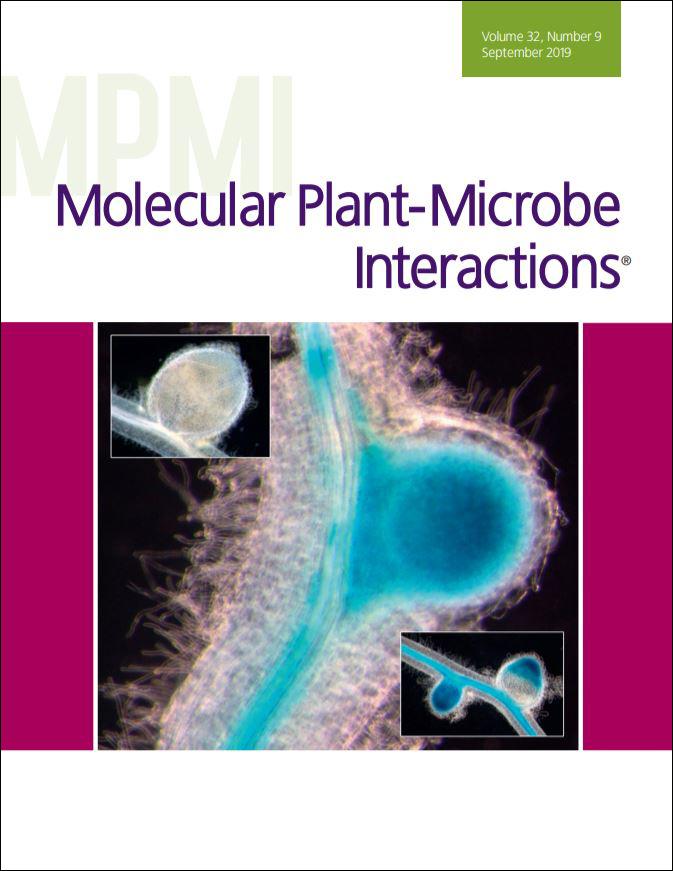
IMAGE
Share on FacebookShare on TwitterShare on LinkedinShare on RedditShare on Telegram

IMAGE

Credit: The American Phytopathological Society and Zaiyong Si


St. Paul, Minnesota–Scientists have long known that nodulation is important to plant health. Nodulation occurs when nodules, which form on the roots of plants (primarily legumes), form a symbiotic relationship with nitrogen-fixing bacteria that deliver nutrients to the plant. This process is a key part of sustainable agriculture and makes legumes an important source of protein for much of the world. However, recent research from RWTH Aachen University shows that nodulation might positively impact the plant’s microbiome in other ways.

This research, published in Molecular Plant-Microbe Interactions in September, explored the relationship between nodulation and systemic resistance, the process through which plants protect themselves against pathogens. Focusing on pea and Medicago truncatula (a legume native to the Mediterranean), the scientists discovered that nodulation primes these plants to accumulate higher levels of salicylic acid after powdery mildew attack, a plant hormone that contributes to defense against biotrophic invaders that feed off the host plants.

Additionally, this research showed that after undergoing nodulation, these plants show a greater resistance against powdery mildew, a fungal disease that displays white powdery spots on the leaves and stems of plants. The scientists hypothesized that this might be directly connected to the increased levels of salicylic acid.

“While our work is basic research, it is knowledge that contributes to our understanding of plant defense and plant nutrition, which will be helpful in shaping sustainable agriculture,” says leading author Hannah Kuhn, who adds, “Most of the lab work was done by undergrad students. I am very proud of their engagement and the intellectual impact that they gave to enable the project.”

###

For more information, read “Nodulation Induces Systemic Resistance of Medicago truncatula and Pisum sativum Against Erysiphe pisi and Primes for Powdery Mildew-Triggered Salicylic Acid Accumulation” in Molecular Plant-Microbe Interactions journal.

Media Contact
Ashley Bergman Carlin
[email protected]
651-994-3832

Related Journal Article

http://dx.doi.org/10.1094/MPMI-11-18-0304-R

Tags: Agricultural Production/EconomicsAgricultureBacteriologyFood/Food ScienceMicrobiologyMolecular BiologyNutrition/NutrientsPlant Sciences
Share15Tweet8Share2ShareShareShare2

Related Posts

Bacterial Lipopeptides Block IL-33 Release, Easing Dermatitis

May 13, 2026

MICU Proteins Drive Calcium-Based Mitochondrial Energy Control

May 13, 2026

Bronchiectasis and NTM Care Center Network Grows to 62 Centers

May 13, 2026

Successful Launch of the Largest BL3 and ABL3 Special Laboratories for Domestic Universities Accompanied by a Symposium

May 13, 2026
Please login to join discussion

POPULAR NEWS

  • Research Indicates Potential Connection Between Prenatal Medication Exposure and Elevated Autism Risk

    842 shares
    Share 337 Tweet 211
  • New Study Reveals Plants Can Detect the Sound of Rain

    728 shares
    Share 290 Tweet 182
  • Salmonella Haem Blocks Macrophages, Boosts Infection

    62 shares
    Share 25 Tweet 16
  • Breastmilk Balances E. coli and Beneficial Bacteria in Infant Gut Microbiomes

    57 shares
    Share 23 Tweet 14

About

We bring you the latest biotechnology news from best research centers and universities around the world. Check our website.

Follow us

Recent News

Bacterial Lipopeptides Block IL-33 Release, Easing Dermatitis

Choline’s Crucial Impact on Brain Development

MICU Proteins Drive Calcium-Based Mitochondrial Energy Control

Subscribe to Blog via Email

Enter your email address to subscribe to this blog and receive notifications of new posts by email.

Join 82 other subscribers
  • Contact Us

Bioengineer.org © Copyright 2023 All Rights Reserved.

Welcome Back!

Login to your account below

Forgotten Password?

Retrieve your password

Please enter your username or email address to reset your password.

Log In
No Result
View All Result
  • Homepages
    • Home Page 1
    • Home Page 2
  • News
  • National
  • Business
  • Health
  • Lifestyle
  • Science

Bioengineer.org © Copyright 2023 All Rights Reserved.