In a groundbreaking study published in the journal Molecular Cancer, researchers led by Zhao et al. have unveiled a remarkable approach that harnesses the power of NKG2D-specific CAR-macrophages to significantly enhance immune responses against hepatocellular carcinoma (HCC), a particularly aggressive form of liver cancer. The innovative use of CAR (chimeric antigen receptor) macrophages represents a paradigm shift in cancer immunotherapy, suggesting a new avenue for achieving durable remission in patients with this challenging disease.
Hepatocellular carcinoma, which ranks as the third leading cause of cancer-related mortality worldwide, has proven resistant to conventional treatments. The complexity of HCC lies in its ability to evade both innate and adaptive immune responses, leading to poor outcomes. This new research provides a compelling framework for overcoming these challenges by employing CAR-engineered macrophages that target cancer cells expressing the NKG2D ligand, a crucial element in the immune surveillance process.
The essence of this innovative approach lies in the dual function of the CAR-macrophages. Unlike traditional CAR-T therapies that focus solely on T-cells, the study capitalizes on macrophages, a type of innate immune cell known for their phagocytic capabilities and inflammatory responses. Macrophages can provide a robust front-line defense, engaging not only in direct cytotoxicity but also orchestrating the broader immune response, which is vital for long-term protection against tumor recurrence.
Research indicates that the NKG2D receptor, which is expressed on the surface of certain immune cells, including natural killer (NK) cells and CD8+ T-cells, plays a significant role in recognizing and eliminating tumor cells. By engineering macrophages to express CAR specific to the NKG2D ligand, the researchers have created a situation where these immune cells can precisely hone in on cancer cells, initiating a potent immune response that could turn the tide in the fight against HCC.
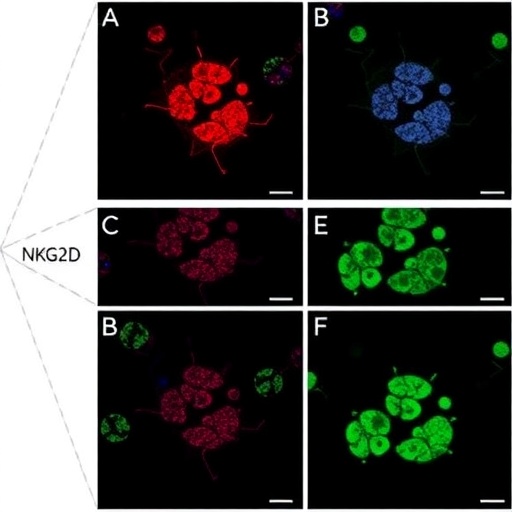
In vitro studies demonstrate the efficacy of NKG2D-specific CAR-macrophages in triggering a cascade of immune activations. When exposed to HCC cells, these modified macrophages exhibited enhanced phagocytosis and secretion of pro-inflammatory cytokines, which are crucial for amplifying the immune response against the tumor. The findings suggest that by priming the innate immune system, these cells could effectively bridge the gap between innate and adaptive immunity, facilitating a more comprehensive attack on the cancer.
One of the most promising aspects of this research is its focus on achieving durable remission. The team employed a series of animal model experiments to assess the long-term effects of this therapy. The results were impressively consistent, with treated mice demonstrating significant tumor regression and prolonged survival times compared to controls. This durability of response is critical, as many current therapies often lead to temporary remission with the inevitable return of cancer.
Moreover, the study delves into the mechanistic insights of how NKG2D-specific CAR-macrophages interact with the tumor microenvironment. Underneath the surface, HCC cells often manipulate the immune milieu to foster an immune-suppressive environment. By utilizing CAR-macrophages that can actively engage with these cancer cells and potentially disrupt their immunosuppressive tactics, the researchers have opened a new discussion on how we can combat tumor escape mechanisms.
Furthermore, the implications of this research extend beyond hepatocellular carcinoma. The success of CAR-macrophages in targeting NKG2D ligands may inspire similar approaches for other cancers that exploit comparable mechanisms of immune evasion. This versatility in application could herald a new era of CAR-modified cellular therapies that empower innate immune cells to take a more active role in cancer immunotherapy.
While the preclinical successes are encouraging, the study emphasizes the need for careful consideration as it moves toward clinical trials. Safety and efficacy remain paramount, and understanding the dosing parameters and potential off-target effects of these engineered macrophages will be critical in translating this research from bench to bedside. Collaborations with clinical centers will be integral in facilitating this transition and ensuring the therapeutic potential is realized in human populations.
This research positions CAR-macrophages not merely as a complementary therapy but as a potential cornerstone of novel treatment strategies for hepatocellular carcinoma. As insights into the immune landscape of tumors continue to deepen, such innovative methodologies will likely become integral components in the multifaceted approach to cancer treatment, reshaping the future of oncology.
In conclusion, the studies conducted by Zhao and colleagues present compelling evidence that harnessing NKG2D-specific CAR-macrophages can significantly enhance immune responses to hepatocellular carcinoma. With the promise of achieving long-term remission, this research lays the groundwork for future clinical applications, highlighting the necessity of continued exploration of the immune system’s potential in overcoming cancer’s challenges. As advancements in immunotherapy continue to revolutionize cancer treatment, approaches like this could ultimately lead to improved survival outcomes for patients facing this formidable disease.
Subject of Research: Hepatocellular carcinoma and its treatment with CAR-macrophages.
Article Title: Synergistic innate-adaptive immunity by NKG2D-specific CAR-macrophages drives durable remission in hepatocellular carcinoma.
Article References:
Zhao, Z., Zheng, W., He, Y. et al. Synergistic innate-adaptive immunity by NKG2D-specific CAR-macrophages drives durable remission in hepatocellular carcinoma.
Mol Cancer 25, 9 (2026). https://doi.org/10.1186/s12943-025-02538-w
Image Credits: AI Generated
DOI: https://doi.org/10.1186/s12943-025-02538-w
Keywords: CAR-macrophages, NKG2D, hepatocellular carcinoma, immunotherapy, cancer treatment.
Tags: cancer immunotherapy advancementsCAR-engineered macrophageschimeric antigen receptor technologydurable remission in HCChepatocellular carcinoma treatmentimmune response enhancementinnate immune cell therapyliver cancer research breakthroughsmacrophage function in cancerNKG2D CAR-macrophagesovercoming cancer resistancephagocytic immune response