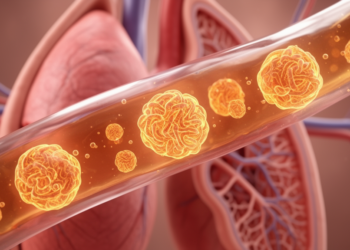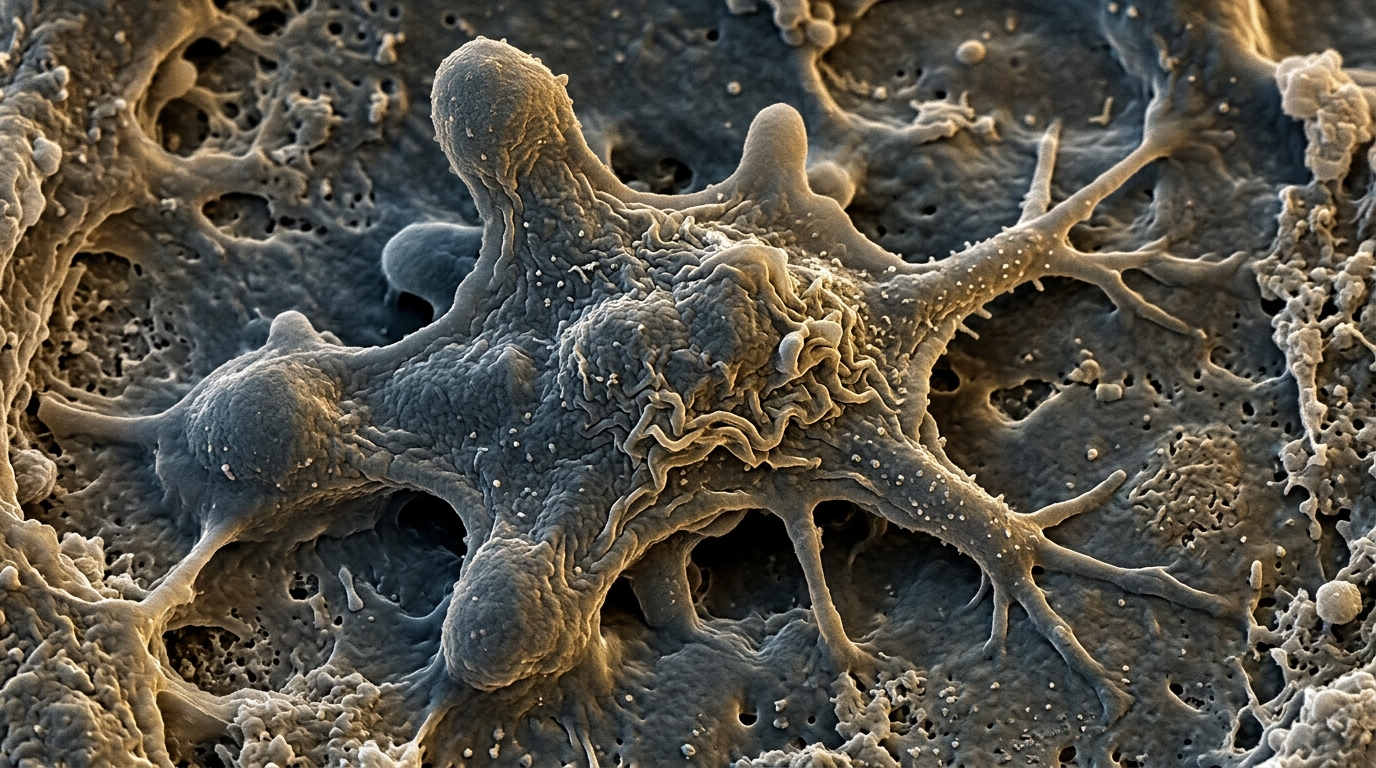
The researchers also observed that exposure to the compound directly disrupts preformed amoebic cysts, revealing a multifaceted impact on both active cellular growth and persistent structural forms.
Balamuthia mandrillaris is a free-living amoeba capable of invading the central nervous system to produce granulomatous amebic encephalitis, a fatal neurological condition associated with mortality rates reaching up to 90 percent. Conventional clinical management typically depends on a six-drug therapeutic regimen that offers limited treatment efficacy while inflicting substantial toxicity on patients. The laboratory conducting the current study previously identified nitroxoline as a promising candidate to complement this standard drug combination, leading to the first successful application of the antibiotic to treat a human patient in 2021.
To elucidate the precise cellular mechanisms through which nitroxoline acts against the pathogen, the investigators first constructed an annotated draft genome for Balamuthia mandrillaris strain CDC:V039 using long-read sequencing platforms. This genomic assembly produced more than 32,000 predicted protein-coding sequences. The majority of these predicted sequences were assembled directly on telomere-to-telomere predicted chromosomal contigs, establishing a comprehensive genomic reference for subsequent molecular evaluations of the organism.
Using this newly established reference genome, the researchers conducted comparative transcriptomic experiments to characterize how the amoeba regulates encystment in response to three distinct cellular stressors: nitroxoline, galactose, and hypoxia.
These experimental findings expand the understanding of the transcriptional landscape that governs stress-induced encystment in Balamuthia mandrillaris and clarify how nitroxoline impairs fundamental cellular processes. The authors concluded that their laboratory data support the continued clinical evaluation of nitroxoline as a complementary therapeutic component alongside the existing six-drug regimen.
Subject of Research: Mechanisms of nitroxoline antimicrobial activity against Balamuthia mandrillaris
Article Title: Nitroxoline treatment of Balamuthia mandrillaris triggers genomic crisis, transcriptional collapse, and incomplete encystment via copper and iron chelation
Article References: Marquis, K. A., Spottiswoode, N., Detweiler, A. M., Neff, N., & DeRisi, J. L. (2026). Nitroxoline treatment of Balamuthia mandrillaris triggers genomic crisis, transcriptional collapse, and incomplete encystment via copper and iron chelation. PLOS Pathogens, 22(11), e1014783. https://doi.org/10.1371/journal.ppat.1014783
Image Credits: AI Generated
DOI: 10.1371/journal.ppat.1014783
Keywords: Balamuthia mandrillaris, nitroxoline, granulomatous amebic encephalitis, metal chelation, transcriptomics, amoebic encystment, antimicrobial therapy, treatment, Balamuthia, mandrillaris, triggers, genomic
News Source: Cassandra Pierce. (November 8, 2026). Nitroxoline Disrupts Deadly Brain Amoeba by Chelating Essential Cellular Metals. Scienmag.