

• HOME
  • NEWS
  • EXPLORE
    • CAREER
      • Companies
      • Jobs
    • EVENTS
    • iGEM
      • News
      • Team
    • PHOTOS
    • VIDEO
    • WIKI
  • BLOG
  • COMMUNITY
    • FACEBOOK
    • INSTAGRAM
    • TWITTER
Tuesday, May 5, 2026
BIOENGINEER.ORG
No Result
View All Result
  • Login
  • HOME
  • NEWS
  • EXPLORE
    • CAREER
      • Companies
      • Jobs
        • Lecturer
        • PhD Studentship
        • Postdoc
        • Research Assistant
    • EVENTS
    • iGEM
      • News
      • Team
    • PHOTOS
    • VIDEO
    • WIKI
  • BLOG
  • COMMUNITY
    • FACEBOOK
    • INSTAGRAM
    • TWITTER
  • HOME
  • NEWS
  • EXPLORE
    • CAREER
      • Companies
      • Jobs
        • Lecturer
        • PhD Studentship
        • Postdoc
        • Research Assistant
    • EVENTS
    • iGEM
      • News
      • Team
    • PHOTOS
    • VIDEO
    • WIKI
  • BLOG
  • COMMUNITY
    • FACEBOOK
    • INSTAGRAM
    • TWITTER
No Result
View All Result
Bioengineer.org
No Result
View All Result
Home NEWS Science News Biology

NIH awards $1.75 million to IUPUI to further explore a promising brain obesity link

Bioengineer by Bioengineer
October 4, 2018
in Biology
Reading Time: 2 mins read
0
Share on FacebookShare on TwitterShare on LinkedinShare on RedditShare on Telegram
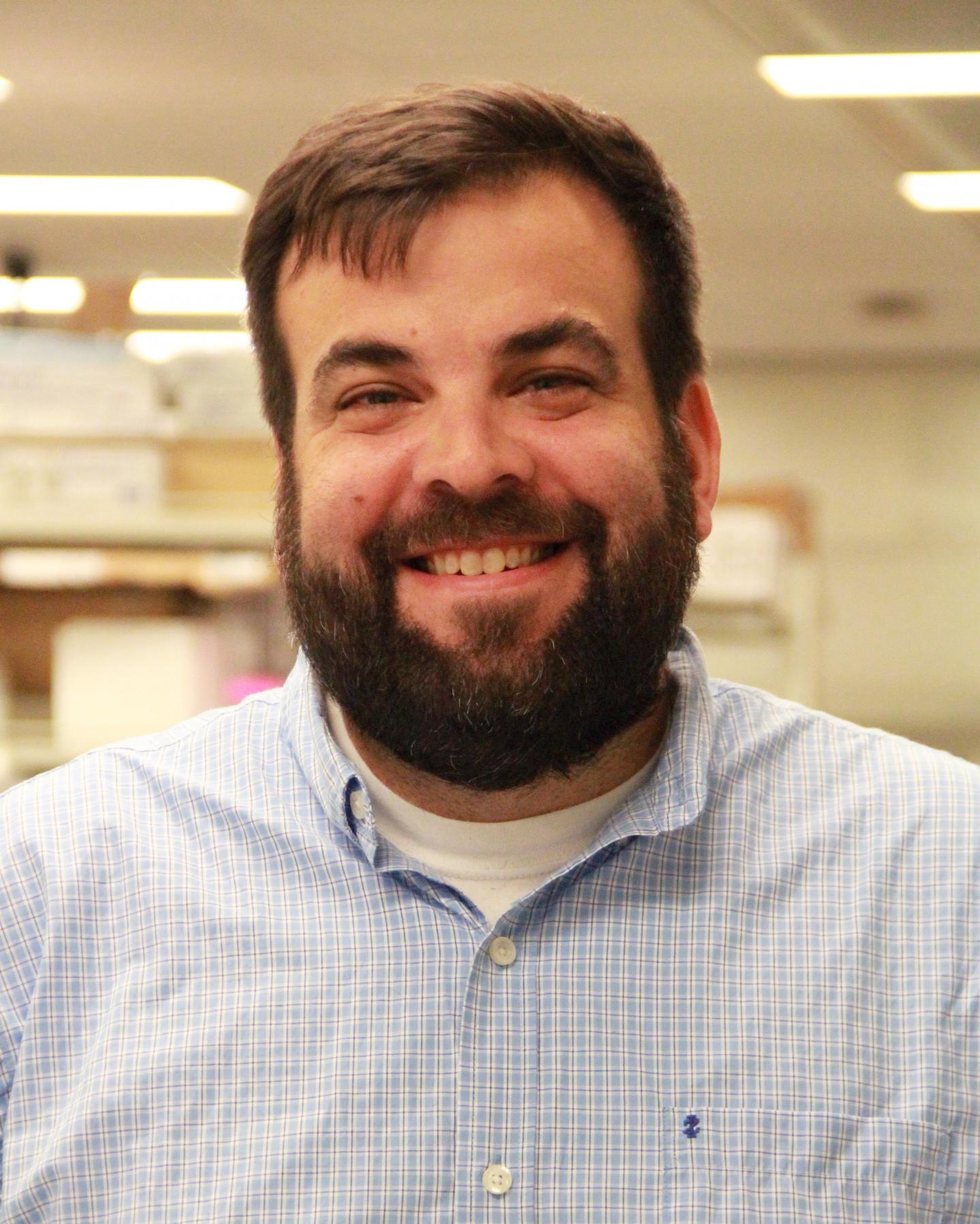
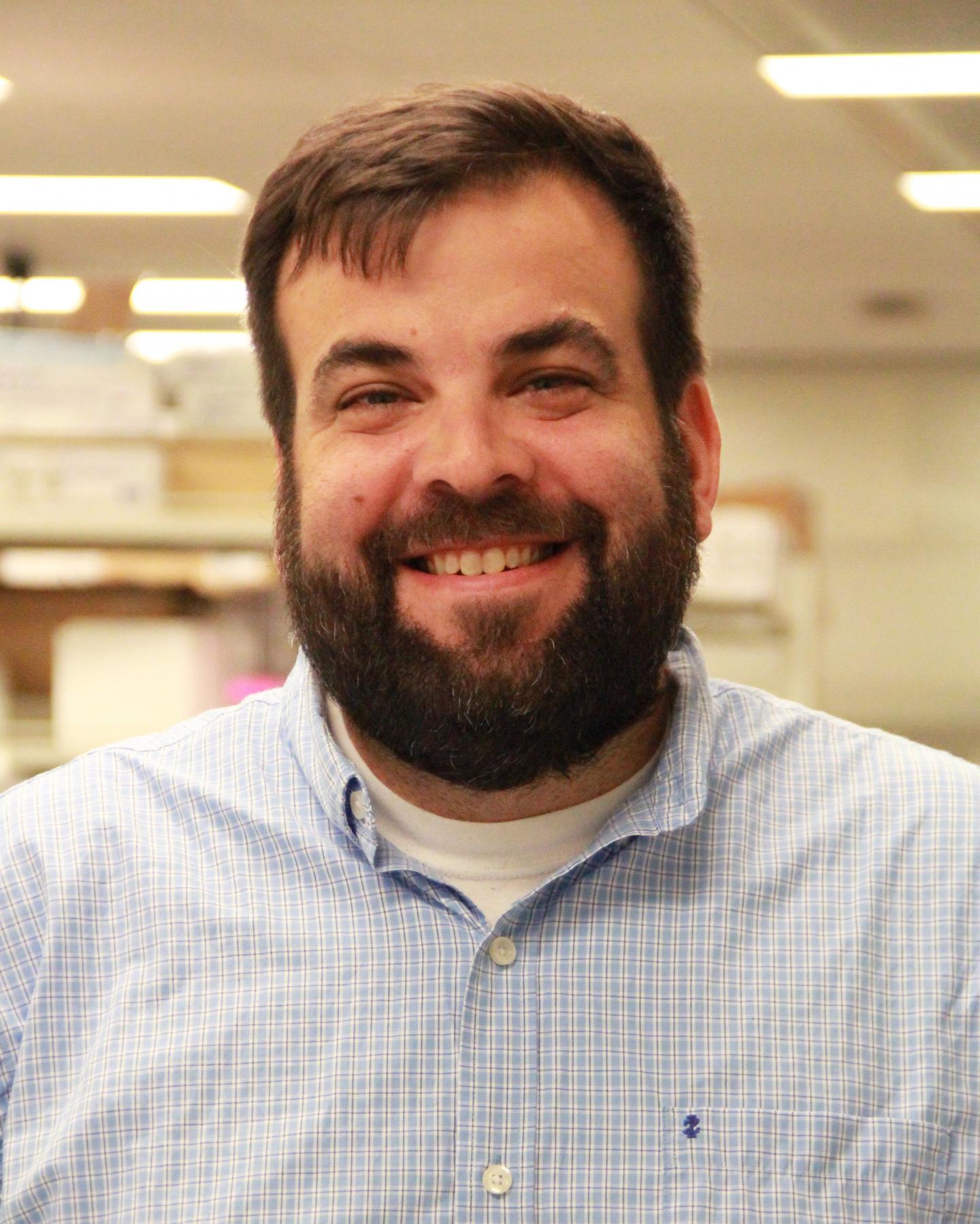
IMAGE

Credit: School of Science at IUPUI

INDIANAPOLIS — IUPUI biologist Nick Berbari has received a $1.75 million grant from the National Institutes of Health to study the connection between obesity and tiny hairlike projections on brain cells called cilia. Cilia are thought to function like a cell's antennae and help in communication between cells. The knowledge Berbari and his research team acquire could potentially open new therapeutic approaches to obesity, which impacts the health and longevity of over 93 million Americans.

"With hunger, there is an initial urge to eat and to continue eating until feeling full," Berbari said. "Cilia dysfunction is known to be associated with certain types of obesity, but it is unclear why their dysfunction leads to people overeating and results in obesity."

"Put simply, we will be looking at how a little cellular antenna in the brain is important for appetite. When we study rare syndromes that are associated with obesity, we might learn important information and gain potentially therapeutically advantageous ideas about how to treat obesity in the general population."

The goal of Berbari's research, which will be conducted in mice, is to determine how altered signaling processes impact appetite regulation, feeding behavior and obesity. The research team includes a School of Science postdoctoral fellow and doctoral and master's degree students as well as several undergraduate research assistants.

The work, which will focus on the cilia located in the hypothalamus, a feeding center in the brain, is especially complex due to the large number of cellular communication pathways, many of which are interwoven.

Berbari doesn't anticipate finding a silver bullet to prevent obesity, but notes that "anytime you gain insight into how obesity occurs, you are learning something that might be useful for a pharmacological toolkit of potential drugs to prevent or treat the condition."

###

Two-thirds of adults in the United States are overweight, including the over 93 million who are obese. Many diseases occur with increased frequency in adults as a consequence of obesity, including heart disease, stroke, Type 2 diabetes and certain types of cancer — some of the leading causes of preventable premature human death.

The Centers for Disease Control and Prevention reports that the estimated annual medical cost of obesity in the United States was $147 billion in 2008 and that the added yearly cost to the health care system for an individual with obesity was $1,429.

R01DK114008-01A1 from the National Institute of Diabetes and Digestive and Kidney Diseases is a five-year award. School of Science faculty currently hold more than $20 million in external research funding.

Media Contact

Candace Beaty Gwaltney
[email protected]
317-274-0685

http://science.iupui.edu/

Original Source

https://science.iupui.edu/2018/10/nih-awards-175-million-iupui-further-explore-promising-brain-obesity-link


Share12Tweet8Share2ShareShareShare2

Related Posts

GWAS Uncovers SUBER GENE1 Role in Suberization — Biology

GWAS Uncovers SUBER GENE1 Role in Suberization

May 5, 2026
New Study from The Morton Arboretum Reveals Why Mexico and Central America’s Mountain Forests Are Oak Tree Hotspots — Biology

New Study from The Morton Arboretum Reveals Why Mexico and Central America’s Mountain Forests Are Oak Tree Hotspots

May 5, 2026

Gerald Joyce Elected to Prestigious American Philosophical Society

May 5, 2026

Author Correction: Lipopeptide Immunity Linked to Membrane Remodelling

May 4, 2026
Please login to join discussion

POPULAR NEWS

  • Research Indicates Potential Connection Between Prenatal Medication Exposure and Elevated Autism Risk

    834 shares
    Share 334 Tweet 209
  • New Study Reveals Plants Can Detect the Sound of Rain

    719 shares
    Share 287 Tweet 180
  • Scientists Investigate Possible Connection Between COVID-19 and Increased Lung Cancer Risk

    67 shares
    Share 27 Tweet 17
  • Salmonella Haem Blocks Macrophages, Boosts Infection

    61 shares
    Share 24 Tweet 15

About

We bring you the latest biotechnology news from best research centers and universities around the world. Check our website.

Follow us

Recent News

Brain Health Alert: Microplastic Accumulation in the Human Brain Linked to Stroke and Dementia; Apheresis Emerges as a Promising Removal Method

New Alcohol Warning Labels Could Encourage Reduced Consumption: Study Finds

Here’s a rewritten version of the headline for a science magazine post: “A Simple Model Explaining How AI Learns” Or, if you want it a bit more engaging: “Understanding AI Learning Through a Toy Model” Let me know if you want it shorter, more technical, or more casual!

Subscribe to Blog via Email

Enter your email address to subscribe to this blog and receive notifications of new posts by email.

Join 82 other subscribers
  • Contact Us

Bioengineer.org © Copyright 2023 All Rights Reserved.

Welcome Back!

Login to your account below

Forgotten Password?

Retrieve your password

Please enter your username or email address to reset your password.

Log In
No Result
View All Result
  • Homepages
    • Home Page 1
    • Home Page 2
  • News
  • National
  • Business
  • Health
  • Lifestyle
  • Science

Bioengineer.org © Copyright 2023 All Rights Reserved.
