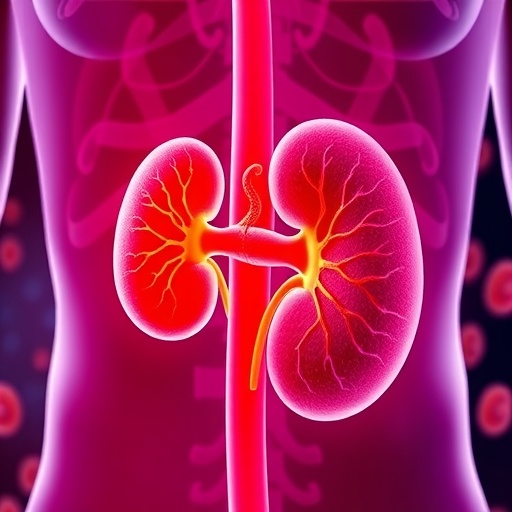
In a groundbreaking advancement for kidney cancer therapeutics, researchers at the Dana-Farber Cancer Institute have pioneered the first-in-patient clinical trial evaluating casdatifan, a next-generation HIF-2α inhibitor, as a monotherapy for metastatic clear cell renal cell carcinoma (ccRCC). This innovation targets a critical molecular driver of kidney tumorigenesis, offering a glimmer of hope for patients with this aggressive cancer subtype who have exhausted standard treatment options.
Clear cell renal cell carcinoma is the most prevalent form of kidney cancer, characterized by its distinct cellular morphology and genetic underpinnings. One of the hallmark features of ccRCC is the abnormal accumulation of hypoxia-inducible factor 2 alpha (HIF-2α), a transcription factor that orchestrates the cellular response to oxygen deprivation. HIF-2α mutation or dysregulation propels tumor growth and metastatic spread, making it an attractive target for precision oncology.
Casdatifan emerges as a meticulously engineered molecule with enhanced potency and selectivity for inhibiting HIF-2α. Unlike earlier generation inhibitors, casdatifan’s molecular architecture allows it to selectively bind and neutralize HIF-2α activity, thereby disrupting the oncogenic signaling cascade that fuels ccRCC progression. This targeted approach minimizes off-target effects while maximizing therapeutic efficacy.
The single-arm ARC-20 clinical trial enrolled 127 patients with metastatic ccRCC, all previously treated with established therapies such as immunotherapy or tyrosine kinase inhibitors. Patients received escalating doses of casdatifan to determine the optimal therapeutic window balancing efficacy and safety. The trial design ensured robust evaluation of pharmacodynamics and clinical responses within this heavily pretreated population.
Results from the trial revealed that casdatifan is generally well tolerated, with side effects that align with the biological role and pharmacological profile of HIF-2α inhibition. Managing adverse outcomes was feasible and consistent with expectations derived from preclinical data and earlier studies. These findings underscore casdatifan’s potential as a viable therapeutic agent within the ccRCC treatment landscape.
Clinically, the most compelling finding was the significant objective response rate observed at the 100 mg dosage—the dose established for future clinical development. Approximately 35 percent of patients exhibited measurable tumor shrinkage, marking a meaningful breakthrough in an arena where durable responses have historically been elusive. This level of efficacy is particularly notable given prior therapy resistance.
The trial incorporated comprehensive biomarker analyses of blood and tissue samples to elucidate casdatifan’s mechanism of action and validate target engagement. Molecular interrogation confirmed robust inhibition of HIF-2α and downstream signaling pathways, correlating strongly with clinical benefit. These mechanistic insights provide a critical foundation supporting casdatifan’s continued clinical development and translational relevance.
Dana-Farber’s leadership in this innovation is bolstered by prominent collaborations, including with Nobel Laureate William G. Kaelin Jr., whose seminal research on cellular oxygen sensing illuminated the pathogenic role of HIF proteins in cancer. Kaelin’s discoveries provided the scientific rationale for targeting HIF-2α, enabling translational efforts like casdatifan’s development to come to fruition.
Looking forward, the clinical promise demonstrated in ARC-20 has propelled casdatifan into the upcoming PEAK-1 international randomized phase 3 trial. This pivotal study will compare the efficacy of casdatifan combined with cabozantinib against cabozantinib monotherapy. This trial targets patients with metastatic ccRCC who have progressed following immunotherapy, aiming to affirm casdatifan’s role in extension and enhancement of current treatment protocols.
The implications of these findings stretch beyond ccRCC, potentially informing therapeutic strategies in other malignancies where HIF-2α is implicated. By harnessing precise molecular inhibitors tailored to tumor biology, casdatifan exemplifies the era of personalized medicine, promising improved outcomes and quality of life for cancer patients globally.
Funding for this transformative research was provided by Arcus Biosciences, Inc., a company specializing in next-generation oncology therapeutics. Their partnership with academic institutions epitomizes the collaborative spirit essential for translating molecular insights into clinical reality. Together, they push the frontiers of cancer therapy innovation.
This study, published in the prestigious journal Nature, marks a milestone in oncologic research, heralding a new chapter in the management of kidney cancer. Its detailed clinical and molecular findings provide critical evidence that targeted HIF-2α inhibition is not only feasible but an impactful strategy against one of the deadliest cancer types.
As clinical trials continue, the oncology community anticipates further validation of casdatifan’s efficacy and safety profile. The evolution of this targeted therapy represents a beacon of hope and a testament to the power of combining fundamental biological understanding with cutting-edge drug development.
Subject of Research: Kidney cancer (metastatic clear cell renal cell carcinoma) and targeted molecular therapy via HIF-2α inhibition
Article Title: Casdatifan shows durable response linked to HIF-2α biology in kidney cancer
News Publication Date: 1-Jul-2026
Web References: https://www.nature.com/articles/s41586-026-10718-x
References: DOI 10.1038/s41586-026-10718-x
Image Credits: Dana-Farber Cancer Institute
Keywords: Kidney cancer, clear cell renal cell carcinoma, HIF-2α, casdatifan, targeted therapy, clinical trial, ARC-20, metastatic cancer, oncology, molecular inhibitor, immunotherapy refractory, personalized medicine
Tags: advanced kidney cancer therapiesARC-20 clinical trial resultscasdatifan clinical trialcasdatifan monotherapy efficacyccRCC tumorigenesis mechanismsHIF-2α molecular targetinghypoxia-inducible factor 2 alpha inhibitionkidney cancer precision oncologymetastatic clear cell renal cell carcinoma treatmentnext-generation HIF-2α inhibitorselective HIF-2α inhibitorstargeted therapy for metastatic ccRCC