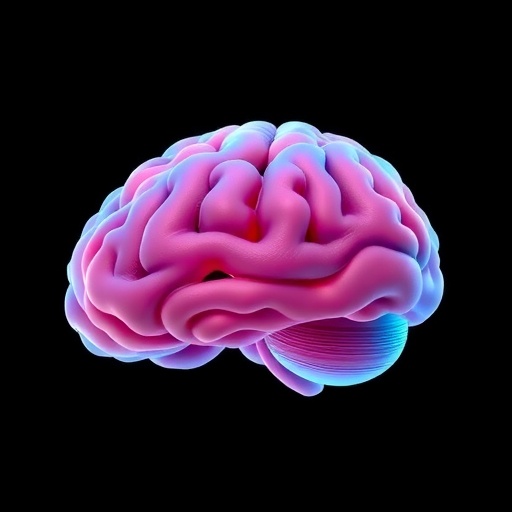
A groundbreaking study from Mass General Brigham Neuroscience Institute has uncovered crucial genetic underpinnings of congenital cerebral ventriculomegaly (CCV), a disorder characterized by the abnormal swelling of fluid-filled brain ventricles in fetuses. Frequently observed alongside autism spectrum disorder and other neurodevelopmental conditions, CCV has long been a clinical challenge due to its complex origins and unpredictable outcomes.
By analyzing genetic data from approximately 2,700 children diagnosed with CCV and their parents, researchers identified rare, deleterious mutations affecting genes integral to early brain development. These genes regulate the growth and organization of neural cells critical to forming the cerebral cortex—the brain’s center for cognition, memory, and language. Notably, mouse models in which these genes were silenced exhibited enlarged ventricles, linking genetic abnormalities directly to functional and structural brain defects.
This pioneering work shifts the medical understanding of CCV from purely a cerebrospinal fluid circulation disorder to one deeply rooted in developmental brain pathology. It suggests that the ventricular system’s dysfunction reflects a broader impairment in neural circuit formation and brain architecture, potentially explaining why many infants with CCV experience developmental delays and an increased risk of autism.
The implications of these findings are profound. Prenatal neuroimaging combined with targeted genetic screening could enable earlier diagnosis of at-risk fetuses, opening the door to timely interventions before the onset of symptoms. Current neurosurgical treatments, while often lifesaving, do not consistently improve neurological outcomes and expose patients to risks such as infections and lifelong shunt dependency.
Kristopher T. Kahle, MD, PhD, Chief of Pediatric Neurosurgery at Mass General Brigham and senior author of the study, emphasizes the potential of genomic testing to revolutionize patient care. He anticipates that genetic profiling could refine clinical decisions, distinguishing patients who would benefit from surgery from those better served by alternative therapies.
The study’s integration of human genetic analysis with animal modeling represents a paradigm shift, enhancing our grasp of how genetic mutations disrupt cerebrospinal fluid dynamics and cerebral cortex development simultaneously. This dual perspective is poised to stimulate further research aimed at therapeutic innovations targeting the molecular roots of CCV.
Ultimately, this research underscores a critical nexus between developmental neurogenetics and pediatric neurosurgery, offering hope for improved diagnostic precision and personalized treatment strategies. With continued advancements, clinicians may one day prevent or mitigate the neurodevelopmental disabilities often associated with ventriculomegaly, improving quality of life for countless affected children.
Subject of Research: Human tissue samples
Article Title: Developmental genetic determinants of the human cerebrospinal fluid-ventricular system
News Publication Date: —
Web References: https://doi.org/10.1126/scitranslmed.aec4386
References: Allington G et al. Science Translational Medicine. DOI: 10.1126/scitranslmed.aec4386
Keywords: Hydrocephalus, Congenital cerebral ventriculomegaly, Neurodevelopmental disorders, Autism spectrum disorder, Pediatric neurosurgery, Genomic testing
Tags: advancements in prenatal neuroimaging and genetic screeningcerebral ventriculomegaly and neurodevelopmental outcomesdevelopmental brain pathology and structural brain defectsearlyearly brain development and neural circuit formationgenetic factors in congenital brain disordersgenetic mutations affecting brain fluid regulationgenetics of cerebrospinal fluid circulation disordersimplications of genetic research for fetal brain healthlinks between ventriculomegaly and autism spectrum disordermouse models for studying brain developmental disordersneural cell growth regulation in neurodevelopment