Credit: UT Southwestern
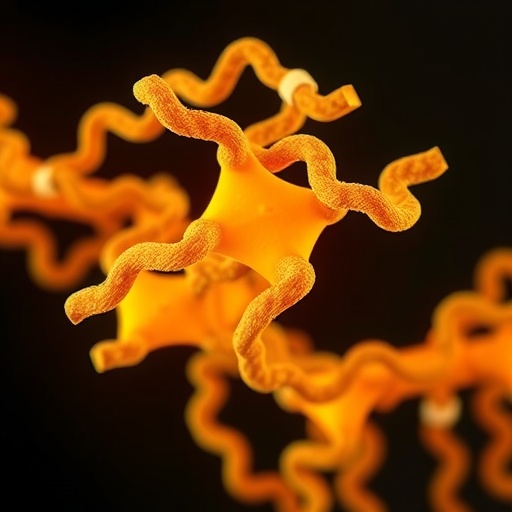
DALLAS – Aug. 28, 2018 – In order to halt the growth of cancer cells, you have to know what feeds them. Researchers at the nationally recognized Kidney Cancer Program at UT Southwestern's Harold C. Simmons Comprehensive Cancer Center have developed a novel approach using glucose that may open up new opportunities for therapeutic intervention.
Kidney cancer is one of the 10 most prevalent malignancies in the world and its frequency is increasing. According to UT Southwestern, the most common type, accounting for 70 percent of all kidney cancers, is clear cell renal cell carcinoma (ccRCC), a tumor characterized by the buildup of sugar and fat.
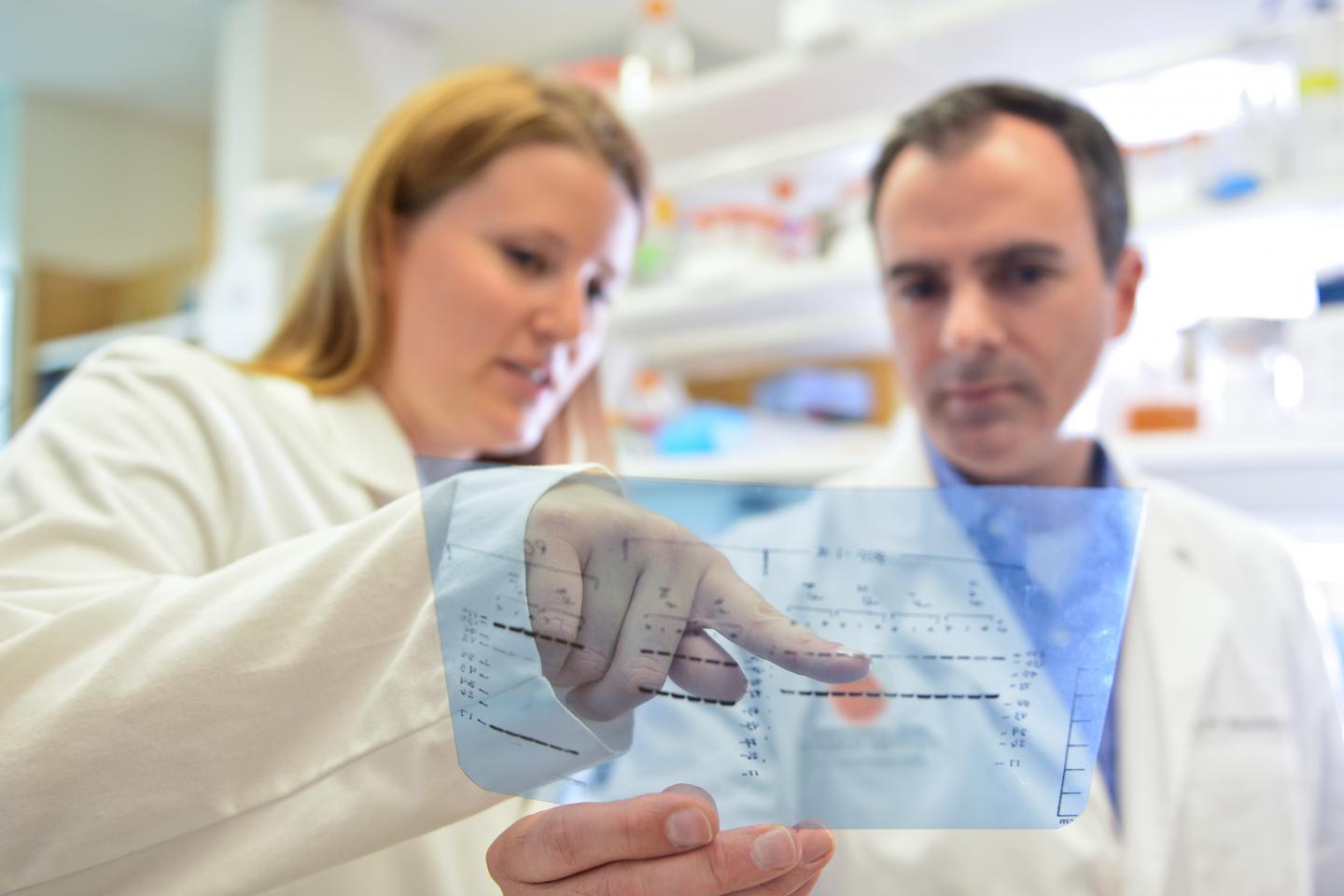
A team of investigators led by Dr. Kevin Courtney, Assistant Professor of Internal Medicine, and Dr. Elizabeth Maher, Professor of Internal Medicine and the Theodore H. Strauss Professor in Neuro-Oncology, used intraoperative infusions of labeled glucose in patients about to have surgery to remove the kidney cancer to assess how the tumors use glucose. The study, published in the journal Cell Metabolism, found that ccRCC tumors process glucose differently than most tissues. Rather than breaking glucose down completely through the tricarboxylic acid cycle to extract the maximum amount of energy, the tumor cells stopped short. This suggests that by avoiding the complete breakdown of glucose, cancer cells may have access to other building blocks to support their growth.
"Not long ago, most cancer biologists thought that glycolysis, the partial degradation of glucose to lactate, was an essential feature of aggressive tumors. This idea persisted for a century despite the fact that it was based entirely on analyzing cancer cell metabolism outside of the body," said Dr. Ralph DeBerardinis, Professor at the Children's Medical Center Research Institute at UT Southwestern and a Howard Hughes Medical Institute Investigator.
"When we began to study metabolism directly in cancer patients, we realized that glycolysis was not a universal feature of aggressive tumors. The new findings in ccRCC demonstrate that some tumors really do rely on glycolysis and that these isotope labeling techniques can identify tumors using very different kinds of metabolism," added Dr. DeBerardinis, the Joel B. Steinberg, M.D. Chair in Pediatrics and a Sowell Family Scholar in Medical Research.
The team found that ccRCC tumors are unique when compared with non-small cell lung cancers and glioblastoma (brain) tumors.
"To our knowledge, this is the first study to demonstrate stark differences in how ccRCC tumors in patients metabolize glucose relative to normal kidney tissue or other tumor types," Dr. Courtney said.
The results underscore the metabolic shift that occurs in ccRCC. "We are excited to continue these studies in an effort to find metabolic vulnerabilities in ccRCC that may pave the way to new treatments," said Divya Bezwada, co-first author of the study and a graduate student in the laboratory of Dr. DeBerardinis.
The UTSW team is supported in part by a Specialized Program of Research Excellence (SPORE) award from the National Cancer Institute, one of two such awards for kidney cancer in the country, and additional funding from the National Institutes of Health, the National Cancer Institute, the Cancer Prevention and Research Institute of Texas, the American Chemical Society, and the Howard Hughes Medical Institute.
"By applying a sensitive technique involving isotope-labeled tracers in patients, this team is poised to make important discoveries that reveal how kidney cancer cells grow," said Dr. James Brugarolas, Director of the Kidney Cancer Program and Professor of Internal Medicine, who holds the Sherry Wigley Crow Cancer Research Endowed Chair in Honor of Robert Lewis Kirby, M.D.
###
Simmons Cancer Center, the only National Cancer Institute-designated Comprehensive Cancer Center in North Texas and one of just 49 NCI-designated Comprehensive Cancer Centers in the nation, includes 13 major cancer care programs. In addition, the Center's education and training programs support and develop the next generation of cancer researchers and clinicians. The Simmons Cancer Center is among only 30 U.S. cancer research centers to be designated by the NCI as a National Clinical Trials Network Lead Academic Participating Site.
About UT Southwestern Medical Center
UT Southwestern, one of the premier academic medical centers in the nation, integrates pioneering biomedical research with exceptional clinical care and education. The institution's faculty has received six Nobel Prizes, and includes 22 members of the National Academy of Sciences, 16 members of the National Academy of Medicine, and 15 Howard Hughes Medical Institute Investigators. The faculty of more than 2,700 is responsible for groundbreaking medical advances and is committed to translating science-driven research quickly to new clinical treatments. UT Southwestern physicians provide care in about 80 specialties to more than 105,000 hospitalized patients, nearly 370,000 emergency room cases, and oversee approximately 2.4 million outpatient visits a year.
Learn more
Dr. Kevin Courtney
Dr. Ralph DeBerardinis
Dr. Elizabeth Maher
Kidney Cancer Program
Specialized Program of Research Excellence (SPORE)
Kidney Cancer Program Facebook
Simmons Cancer Center
Media Contact
Avery Anderson
[email protected]
@UTSWNews
http://www.swmed.edu
Original Source
https://www.utsouthwestern.edu/newsroom/articles/year-2018/metabolic-vulnerabilities.html http://dx.doi.org/10.1016/j.cmet.2018.07.020