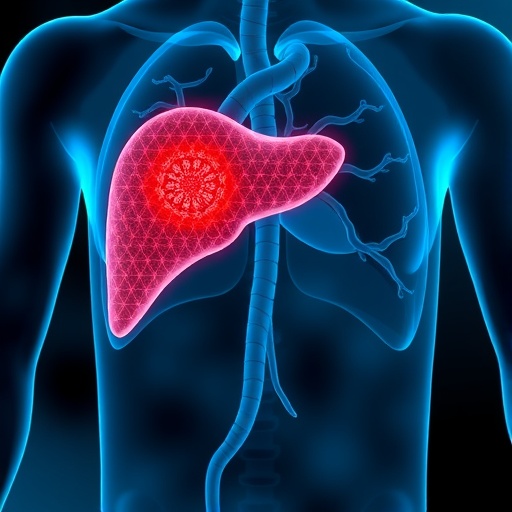
In the landscape of pediatric oncology, liver cancer in children represents a particularly rare but formidable challenge, primarily comprising two distinct types: hepatoblastoma (HB) and hepatocellular carcinoma (HCC). Yet, amidst these well-documented categories exists a complex intermediary form, a tumor subtype that exhibits both hepatoblastoma and carcinoma features, termed hepatoblastoma with carcinoma features (HBC). This enigmatic tumor has baffled clinicians and researchers alike due to its hybrid cellular composition and aggressive clinical behavior, necessitating cutting-edge investigative approaches to unlock its secrets.
Recently, a multi-institutional consortium led by scientists at Baylor College of Medicine and Texas Children’s Hospital, in conjunction with several global collaborators, has embarked on a rigorous exploration of HBC tumors. Their work, published in the Journal of Hepatology, leverages advanced molecular profiling technologies to dissect the cellular architecture of these tumors at unprecedented resolution. By applying sophisticated single-cell DNA and RNA sequencing methodologies, the team was able to catalog individual tumor cells’ genomic and transcriptomic identities, thereby illuminating the dynamic cellular heterogeneity within HBC.
Single-cell sequencing revealed a remarkable discovery: HBC tumors encompass a triad of distinct cancer cell populations. These include cells resembling classic hepatoblastoma, others mirroring hepatocellular carcinoma, and a unique class of HBC-specific cells that simultaneously express molecular hallmarks of both tumor types. This underscores the remarkable plasticity and complex developmental origins of HBC cancers, distinguishing them from their HB and HCC counterparts, which traditionally have been seen as separate biological entities.
Further analyses demonstrated that HBC tumors originate from hepatic stem cells, a primitive cell population responsible for liver regeneration and development. These stem-like tumor cells exhibit differentiation arrest, implying they do not mature into fully differentiated hepatocytes. This arrested differentiation imparts an intrinsic resistance to conventional chemotherapy and immunotherapy regimens, thereby explaining the poorer clinical outcomes observed in children diagnosed with HBC compared to those with pure hepatoblastoma.
Clinical outcome data from 41 pediatric patients provided sobering evidence of this aggressive disease course. The five-year overall survival rate for children with typical hepatoblastoma stood at approximately 80%, whereas it was markedly lower, near 40%, for those with HBC tumors. Interestingly, patients who underwent liver transplantation showed improved survival, suggesting that surgical intervention may partly overcome the tumor’s chemoresistance.
Delving deeper into the molecular relationships among the diverse tumor cell types within HBC masses, the researchers uncovered evidence of cellular transitions along a developmental continuum. Cells appear capable of transitioning from HB progenitors to intermediate HBC states and eventually to HCC-like phenotypes. This fluidity points to a spectrum of tumor evolution rather than discrete tumor classes, challenging traditional diagnostic frameworks.
Central to this tumor plasticity is the aberrant activation of the WNT signaling pathway, a critical regulator during early liver organogenesis. Typically, this pathway orchestrates hepatic stem cell proliferation and early differentiation but is tightly downregulated to permit maturation into functional hepatocytes. In HBC tumors, however, dysregulated WNT signaling remains persistently active, perpetuating the undifferentiated state of tumor cells and preventing their normal developmental progression.
The researchers experimentally modulated the WNT signaling cascade in HBC tumor models and found that inhibiting this pathway induced cellular differentiation and heightened sensitivity to chemotherapeutic agents. This notable finding positions WNT pathway components as promising therapeutic targets for overcoming treatment resistance in these tumors, advocating for the incorporation of pathway inhibitors into future clinical strategies.
The study further revealed that HBC tumors arise not from a single clonal progenitor but rather from multiple independent hepatoblastoma cells that simultaneously undergo transitions to carcinoma-like states. This polyclonal origin introduces additional complexity to the tumor microenvironment and suggests diverse evolutionary trajectories within individual tumors.
Collectively, these groundbreaking insights culminate in a novel developmental model for pediatric liver cancer, hypothesizing that sustained WNT pathway activation during early liver development engenders tumor heterogeneity by impeding differentiation and fostering asynchronous transitions from HB to HBC to HCC. This model not only refines our understanding of tumor biology but also provides a conceptual framework for therapeutic innovation.
The implications of the work extend beyond liver cancer, illustrating how dysregulated developmental signaling pathways can engender complex tumor phenotypes and influence clinical outcomes. This underscores the necessity of precision medicine approaches tailored to the unique cellular and molecular context of each tumor subtype to improve survival and quality of life for affected children.
The advancement in characterizing the cellular atlas of HBC tumors lays a foundation for future inquiries into targeted therapeutics and diagnostic markers. Ongoing research will likely explore combinatorial treatments aimed at modulating differentiation and immune responsiveness, potentially transforming the grim prognosis historically associated with high-risk pediatric liver cancers.
This transformative study, supported by generous funding from the European Union Horizon 2020, the Cancer Prevention and Research Institute of Texas, the National Institutes of Health, and others, represents a beacon of hope illuminating the path toward deeper biological understanding and improved clinical management of pediatric liver cancers.
Subject of Research: Human tissue samples
Article Title: Asynchronous Transitions from High-Risk Hepatoblastoma to Carcinoma
News Publication Date: 28-Feb-2026
Web References:
Journal of Hepatology: https://doi.org/10.1016/j.jhep.2026.02.023
Previous identification of HBC: https://www.journal-of-hepatology.eu/article/S0168-8278(22)00275-6/fulltext
References:
Sumazin, P. et al. (2026). Asynchronous Transitions from High-Risk Hepatoblastoma to Carcinoma. Journal of Hepatology. https://doi.org/10.1016/j.jhep.2026.02.023
Keywords: Pediatric liver cancer, hepatoblastoma, hepatocellular carcinoma, hepatoblastoma with carcinoma features, tumor heterogeneity, WNT signaling pathway, single-cell sequencing, tumor differentiation, liver development, chemotherapy resistance, liver transplantation, tumor evolution
Tags: advanced molecular profiling in canceraggressive pediatric liver tumorsBaylor College of Medicine liver cancer studycellular heterogeneity in pediatric tumorsgenomic characterization of rare cancershepatoblastoma and hepatocellular carcinomahepatoblastoma with carcinoma featuresmulti-institutional cancer research consortiumpediatric liver cancer researchrare pediatric oncology tumorssingle-cell DNA sequencing in tumorstranscriptomic analysis of liver cancer