In recent advancements poised to revolutionize the field of neuro-oncology, a collaborative research team from University Hospitals, Case Western Reserve University, and the Louis Stokes Cleveland VA Medical Center has identified a promising neuroprotective compound, P7C3-A20, capable of mitigating the adverse neurological consequences associated with whole brain radiotherapy (WBRT). WBRT remains a cornerstone in the management of metastatic brain cancer, effectively controlling tumor growth and prolonging patient survival. However, its application is frequently marred by persistent cognitive decline, mood disturbances, and neuropsychiatric impairments that gravely diminish patients’ quality of life.
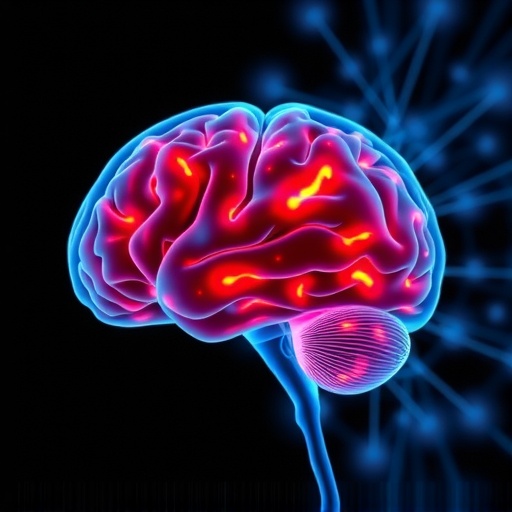
The pathophysiological mechanisms underlying WBRT-induced brain injury are increasingly attributed to chronic oxidative stress within neural tissue, particularly in the hippocampus, a brain region integral to memory formation and emotional regulation. Prolonged oxidative stress engenders neuroinflammation, blood-brain barrier disruption, and neuronal loss, which collectively culminate in lasting cognitive dysfunction and depressive symptoms. Despite its prevalence and severity, effective pharmacological interventions to prevent or reverse these delayed neurotoxic effects have remained elusive.
The breakthrough emerged from a rigorous preclinical study involving murine models, meticulously designed by the renowned Pieper Laboratory. They demonstrated that P7C3-A20, a nicotinamide adenine dinucleotide (NAD⁺) homeostasis stabilizer with neuroprotective properties, significantly attenuates oxidative damage engendered by WBRT. This compound effectively preserves the integrity of hippocampal neurons and microglia— the brain’s resident immune cells—while concurrently suppressing neuroinflammation and maintaining the blood-brain barrier’s selective permeability.
Notably, P7C3-A20 administration did not compromise WBRT’s anti-tumor efficacy, an essential consideration given the imperative to maintain oncologic control. The treated mice exhibited preservation of cognitive function and mood over a one-year period post-radiotherapy—equivalent to several human decades—highlighting the durability of neuroprotection conferred by this intervention. These profound findings illuminate a therapeutic avenue that could transform supportive care paradigms for patients undergoing cranial irradiation.
The stabilization of cerebral NAD⁺ levels by P7C3-A20 is pivotal, given NAD⁺’s central role in cellular energy metabolism, DNA repair, and antioxidative defense mechanisms. By sustaining NAD⁺ homeostasis, P7C3-A20 mitigates the mitochondrial dysfunction and neuronal apoptosis typically triggered by radiation-induced oxidative stress. This molecular mechanism underscores the drug’s ability to preserve synaptic plasticity and neural circuitry essential for cognition and mood regulation.
Equally compelling is the compound’s impact on neuroimmune interactions. Radiation typically induces microglial activation and pro-inflammatory cytokine release, exacerbating neuronal injury. P7C3-A20’s suppression of such neuroinflammatory cascades reduces secondary damage and facilitates a neuroprotective milieu conducive to recovery and functional resilience. This multifaceted protection distinguishes P7C3-A20 as a sophisticated pharmacological intervention, addressing both metabolic and immune-mediated dimensions of radiation brain injury.
Furthermore, the research paves the way for optimizing neuroprotective strategies relative to radiation dosing schedules. Future studies are anticipated to delineate the minimal effective duration and timing of P7C3-A20 administration necessary to confer maximal protection without attenuating therapeutic radiation effects. This precision medicine approach will be paramount to tailoring interventions compatible with diverse clinical radiotherapy protocols.
The translational significance of this research extends beyond mere neuroprotection. By preventing the cognitive and psychiatric sequelae of WBRT, P7C3-A20 has the potential to drastically improve long-term survivorship outcomes and reduce the societal burden of brain cancer treatments. As many patients experience debilitating memory loss and depression following WBRT, the introduction of a neuroprotective adjunct could reshape prognosis and quality of life.
At the forefront of these advancements stands Dr. Andrew A. Pieper and his team, whose interdisciplinary effort bridging neuropsychiatry, radiobiology, and pharmacology exemplifies the future of integrative cancer care. Dr. Pieper’s commitment is further manifested through his entrepreneurial endeavor, Glengary Brain Health, focused on advancing P7C3-based therapeutics for clinical application.
In parallel, this discovery encourages renewed scrutiny of brain energy metabolism and redox biology within the context of cancer treatment-induced neurotoxicity. It also advocates for broader research into neuroprotective compounds capable of traversing the blood-brain barrier and modulating fundamental cellular processes disrupted by oncologic therapies.
The research community eagerly awaits clinical trials assessing P7C3-A20’s safety and efficacy in human subjects, which could lead to regulatory approval and incorporation into standard WBRT protocols. The prospect of enhancing survivorship with cognitive preservation heralds an era where life-saving cancer treatments no longer necessitate compromise in neurological health.
As WBRT continues its critical role in combating brain metastases, adjunctive therapies like P7C3-A20 stand to redefine the therapeutic index of radiation, balancing tumor control with neuroprotection. This advancement brings hope that future generations of cancer patients will not have to endure the cognitive and psychiatric tolls historically associated with lifesaving cranial irradiation.
The groundbreaking study was recently published in the journal Redox Biology, underscoring its contribution to our understanding of oxidative stress and its role in neurodegeneration. This interdisciplinary collaboration spanning multiple research centers and supported by prominent foundations exemplifies the dynamic synergy necessary for innovation in neuro-oncological care.
In summary, the identification of P7C3-A20 as a neuroprotective agent against WBRT-induced brain injury constitutes a significant scientific and clinical advance. By targeting chronic oxidative stress and stabilizing essential metabolic pathways, this compound offers a dual promise of oncologic efficacy and preservation of neuropsychiatric function, potentially transforming outcomes for brain cancer patients worldwide.
Subject of Research: Animals
Article Title: “P7C3-A20 prevents whole brain radiotherapy-induced chronic hippocampal redox imbalance and neuropsychiatric impairment in mice.”
News Publication Date: 11-Feb-2026
Web References:
https://www.sciencedirect.com/science/article/pii/S2213231726000509
http://dx.doi.org/10.1016/j.redox.2026.104052
References:
Vázquez-Rosa, Edwin et al. “P7C3-A20 prevents whole brain radiotherapy-induced chronic hippocampal redox imbalance and neuropsychiatric impairment in mice.” Redox Biology, DOI: 10.1016/j.redox.2026.104052.
Image Credits: University Hospitals
Keywords: Radiation therapy, Brain cancer, Neuroprotection, Whole brain radiotherapy, Oxidative stress, NAD⁺ homeostasis, Neuroinflammation, Hippocampus, Cognitive impairment, Depression, Neuropsychiatric impairment, Blood-brain barrier
Tags: Case Western Reserve University researchcognitive decline in cancer treatmentdepression prevention in brain cancer patientshippocampus and emotional regulationmitigating chemotherapy side effectsneuro-oncology advancements and therapiesneuroinflammation and cognitive functionneuroprotective strategies for brain healthoxidative stress and brain injuryP7C3-A20 research findingspharmacological interventions for neurotoxicitywhole brain radiotherapy effects