

• HOME
  • NEWS
  • EXPLORE
    • CAREER
      • Companies
      • Jobs
    • EVENTS
    • iGEM
      • News
      • Team
    • PHOTOS
    • VIDEO
    • WIKI
  • BLOG
  • COMMUNITY
    • FACEBOOK
    • INSTAGRAM
    • TWITTER
Saturday, April 18, 2026
BIOENGINEER.ORG
No Result
View All Result
  • Login
  • HOME
  • NEWS
  • EXPLORE
    • CAREER
      • Companies
      • Jobs
        • Lecturer
        • PhD Studentship
        • Postdoc
        • Research Assistant
    • EVENTS
    • iGEM
      • News
      • Team
    • PHOTOS
    • VIDEO
    • WIKI
  • BLOG
  • COMMUNITY
    • FACEBOOK
    • INSTAGRAM
    • TWITTER
  • HOME
  • NEWS
  • EXPLORE
    • CAREER
      • Companies
      • Jobs
        • Lecturer
        • PhD Studentship
        • Postdoc
        • Research Assistant
    • EVENTS
    • iGEM
      • News
      • Team
    • PHOTOS
    • VIDEO
    • WIKI
  • BLOG
  • COMMUNITY
    • FACEBOOK
    • INSTAGRAM
    • TWITTER
No Result
View All Result
Bioengineer.org
No Result
View All Result
Home NEWS Science News Biology

New role for protein could lead to novel treatments for cancer and vascular disease

Bioengineer by Bioengineer
October 25, 2018
in Biology
Reading Time: 2 mins read
0
Share on FacebookShare on TwitterShare on LinkedinShare on RedditShare on Telegram
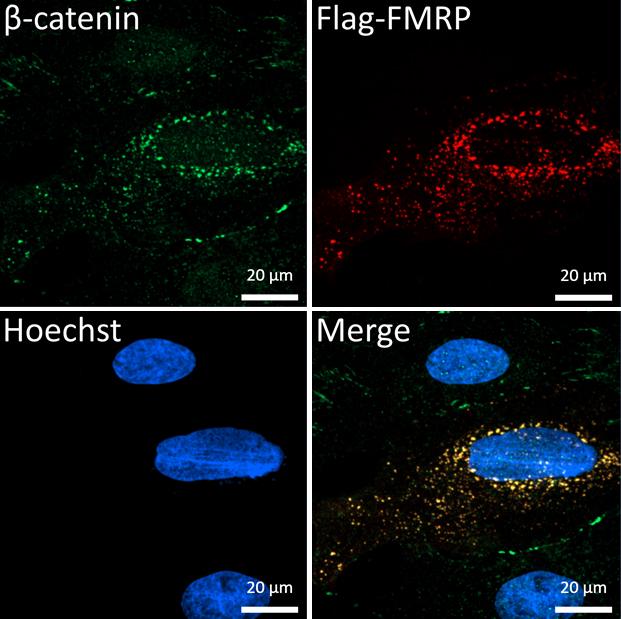
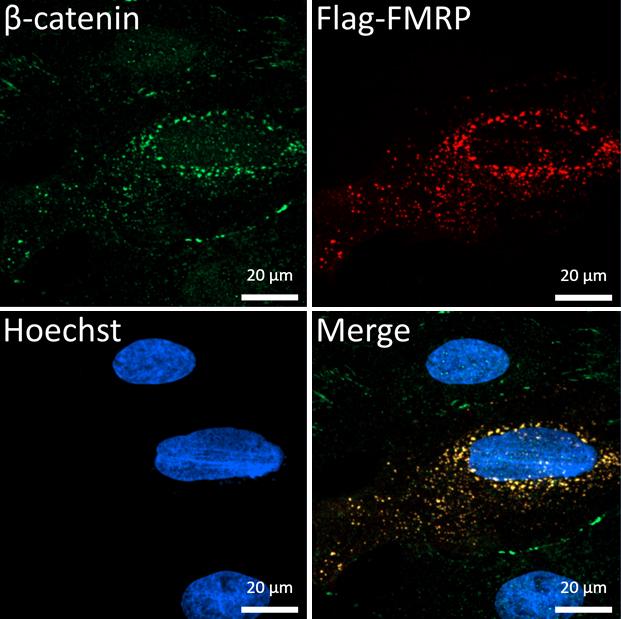
IMAGE

Credit: EMBO Reports

Researchers at York University have found a new role for a well-known protein in the body that may explain, in part, what goes wrong in certain cancers, as well as vascular and neurological disorders.

Beta-catenin, a wide-ranging and important protein for the regulation of cell function from the embryonic stage to adulthood, has already been implicated in the development of certain cancers, including colon, breast, leukemia and melanoma.

Lead researcher, biology Professor John McDermott of the Faculty of Science and his team, have found new intracellular interactions between beta-catenin and other proteins, which highlight a previously unknown role for this protein.

They show that beta-catenin not only has a role in gene expression, but it is also implicated in the control of messenger ribonucleic acid (mRNA) translation – the process by which genetic information is translated into protein in the machinery of the cell.

The findings surprised the researchers. "Beta-catenin is known to have an expansive role in cell biology, including a role in the nucleus in gene expression and at cell membranes, but this finding points to a new, and potentially important role for this 'jack-of-all-trades' protein," said McDermott. "It's a novel role for beta-catenin which was previously unknown despite there being thousands of published papers about this protein in the scientific literature."

In collaboration with the Bayfield lab at York, they found evidence that beta-catenin is recruited by the fragile X mental retardation protein (FMRP) to the cellular machinery to help regulate the translation of mRNA into protein. mRNA carries the genetic information about amino acid sequences in proteins, which it copies from the DNA.

The research indicates that beta-catenin, when recruited to the translation machinery, represses translation. Upon appropriate signals, it then leaves this complex to allow cellular protein production to be increased. If proper regulation doesn't happen at this step, it could contribute to problems associated with some cancers and neurological diseases.

This newly found role for beta-catenin is important as it provides a window into a process that was previously unknown and that can potentially lead to the development of novel therapeutic interventions.

"The next steps are to try to target these novel properties of beta-catenin in various disease states," said McDermott.

###

The research paper, FMRP recruitment of beta-catenin to the translation pre-initiation complex represses translation, is published today in EMBO Reports.

Media Contact

[email protected]
[email protected]
416-736-2100 x44628
@YorkUnews

Home

Original Source

http://news.yorku.ca/2015/09/15/%ce%b2-blockers-promote-heart-muscle-cell-survival-following-a-heart-attack-york-u-study/ http://dx.doi.org/10.15252/embr.201745536

Share12Tweet8Share2ShareShareShare2

Related Posts

On-Demand Growth of Liver Tissue Directly Within the Body

On-Demand Growth of Liver Tissue Directly Within the Body

April 17, 2026
Conserved DNA Architect Links Chloroplasts to Cell Cycle

Conserved DNA Architect Links Chloroplasts to Cell Cycle

April 17, 2026

UTS Study Reveals Toxic Metal Exposure from E-Cigarette Devices

April 17, 2026

Can Exercise Help You Beat Stress Hormones? New Insights from a Clinical Trial

April 17, 2026
Please login to join discussion

POPULAR NEWS

  • Scientists Investigate Possible Connection Between COVID-19 and Increased Lung Cancer Risk

    62 shares
    Share 25 Tweet 16
  • NSF funds machine-learning research at UNO and UNL to study energy requirements of walking in older adults

    100 shares
    Share 40 Tweet 25
  • Boosting Breast Cancer Risk Prediction with Genetics

    47 shares
    Share 19 Tweet 12
  • Popular Anti-Aging Compound Linked to Damage in Corpus Callosum, Study Finds

    46 shares
    Share 18 Tweet 12

About

We bring you the latest biotechnology news from best research centers and universities around the world. Check our website.

Follow us

Recent News

Mediterranean Diet Linked to Reduced Dyspepsia in Elderly

Mammary Organoid Depot Enables Post-Surgery Chemo, Regeneration

MeCP2 Reads DNA Methylation via Linker DNA

Subscribe to Blog via Email

Enter your email address to subscribe to this blog and receive notifications of new posts by email.

Join 79 other subscribers
  • Contact Us

Bioengineer.org © Copyright 2023 All Rights Reserved.

Welcome Back!

Login to your account below

Forgotten Password?

Retrieve your password

Please enter your username or email address to reset your password.

Log In
No Result
View All Result
  • Homepages
    • Home Page 1
    • Home Page 2
  • News
  • National
  • Business
  • Health
  • Lifestyle
  • Science

Bioengineer.org © Copyright 2023 All Rights Reserved.
