• HOME
  • NEWS
  • EXPLORE
    • CAREER
      • Companies
      • Jobs
    • EVENTS
    • iGEM
      • News
      • Team
    • PHOTOS
    • VIDEO
    • WIKI
  • BLOG
  • COMMUNITY
    • FACEBOOK
    • INSTAGRAM
    • TWITTER
Friday, June 12, 2026
BIOENGINEER.ORG
No Result
View All Result
  • Login
  • HOME
  • NEWS
  • EXPLORE
    • CAREER
      • Companies
      • Jobs
        • Lecturer
        • PhD Studentship
        • Postdoc
        • Research Assistant
    • EVENTS
    • iGEM
      • News
      • Team
    • PHOTOS
    • VIDEO
    • WIKI
  • BLOG
  • COMMUNITY
    • FACEBOOK
    • INSTAGRAM
    • TWITTER
  • HOME
  • NEWS
  • EXPLORE
    • CAREER
      • Companies
      • Jobs
        • Lecturer
        • PhD Studentship
        • Postdoc
        • Research Assistant
    • EVENTS
    • iGEM
      • News
      • Team
    • PHOTOS
    • VIDEO
    • WIKI
  • BLOG
  • COMMUNITY
    • FACEBOOK
    • INSTAGRAM
    • TWITTER
No Result
View All Result
Bioengineer.org
No Result
View All Result
Home NEWS Science News

New research shows crude oil chemicals move and change more quickly than EPA standards

Bioengineer by Bioengineer
March 7, 2017
in Science News
Reading Time: 2 mins read
0
Share on FacebookShare on TwitterShare on LinkedinShare on RedditShare on Telegram
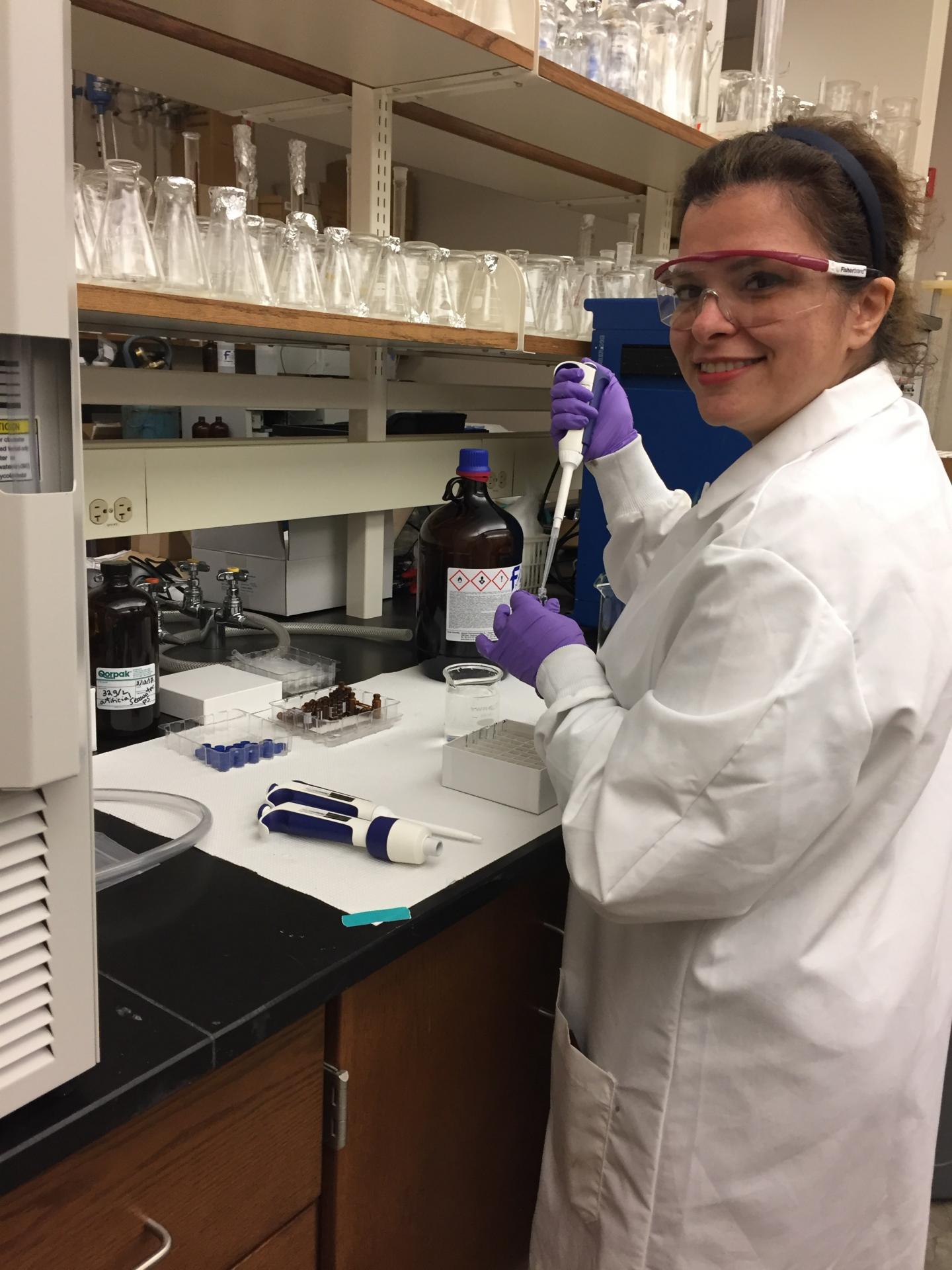
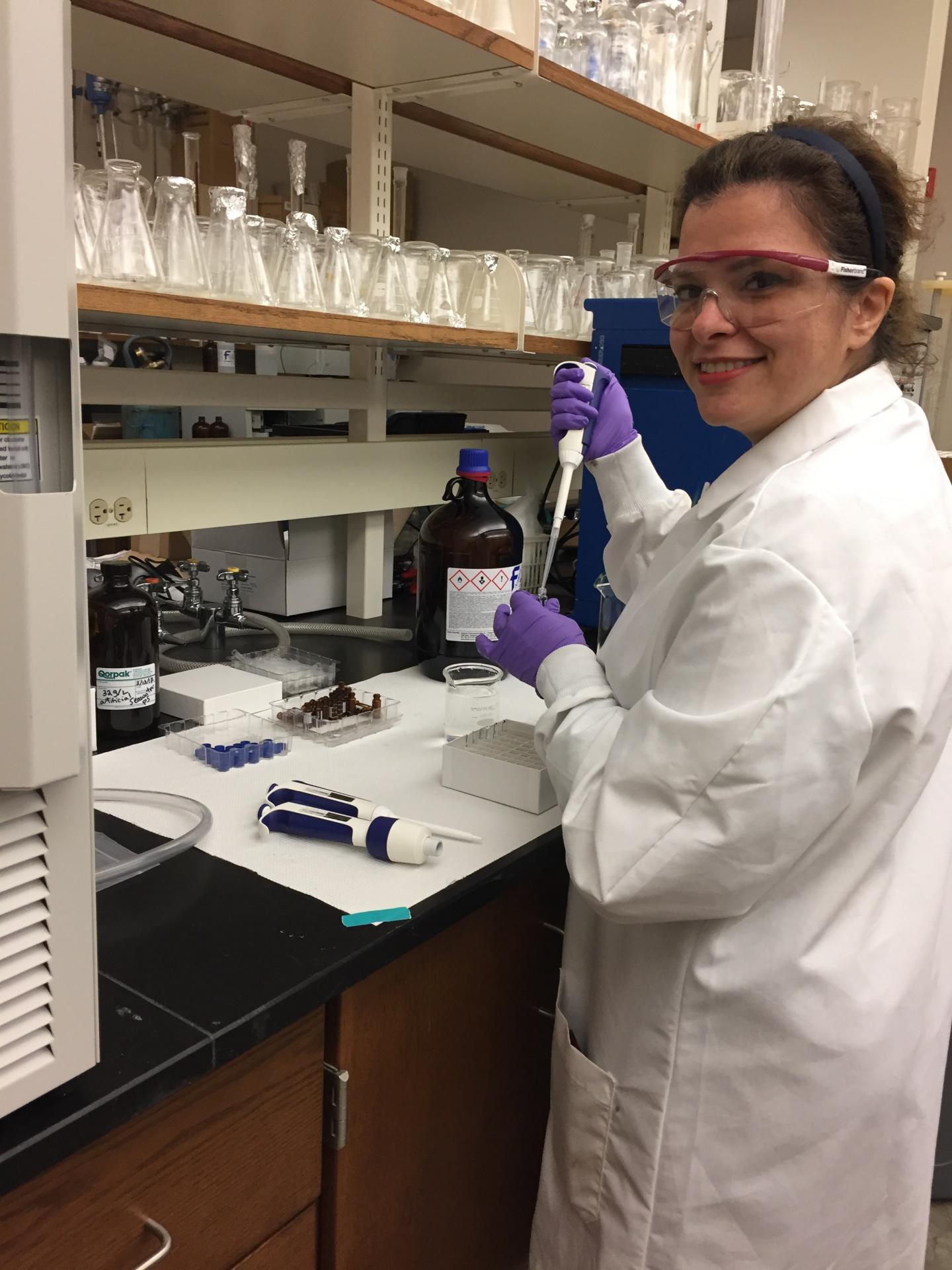
IMAGE

Credit: Parichehr Saranjampour, LSU

The Environmental Protection Agency, or EPA, lists about 65 chemicals as "toxic pollutants" under the Clean Water Act, 16 of which are polycyclic aromatic hydrocarbons, or PAHs. LSU Department of Environmental Sciences doctoral candidate Parichehr Saranjampour conducted research on a chemical class of PAHs that is not on the EPA's list — Dibenzothiophene, or DBT. DBT and its three related chemical compounds contain sulfur that is found in crude oil. Saranjampour studied how these chemical compounds move and change over time, which revealed new information that has never been published before. Her findings differ from the EPA's information about these chemical compounds. This new research was published today in the Journal of Environmental Toxicology and Chemistry.

Saranjampour studied two processes that chemicals undergo — evaporation and oxidation, or what happens when something is exposed to air and light. From lab experiments, she found that one compound oxidized faster than the currently accepted rate relative to the two compounds. She also found that another compound evaporates and is released into the air faster than previously thought, which may have implications on land animals and humans who come into contact with oil, such as oil rig workers.

"These results indicate that the sulfur containing polycyclic aromatic hydrocarbons in the crude oil may evaporate very fast after an oil spill on the Gulf of Mexico surface water," Saranjampour said. However, her research also shows that these chemicals may linger in deeper water and convert into other chemicals that may be more water soluble.

These chemicals are not only found after a crude oil spill, but they can also be found in water and sediment where crude oil or diesel fuel are present.

"These results call for more research by environmental chemists and toxicologists to investigate the environmental impacts of these chemicals in water, sediment, air and on living organisms," she said.

She is currently investigating the toxicity of these chemical compounds.

###

Media Contact

Alison Satake
[email protected]
225-578-3870
@LSUResearchNews

http://www.lsu.edu

############

Story Source: Materials provided by Scienmag

Share12Tweet8Share2ShareShareShare2

Related Posts

Zebra Finch Chick Brain Development Influenced by Heat Warning Song Exposure in the Egg — Biology

Zebra Finch Chick Brain Development Influenced by Heat Warning Song Exposure in the Egg

June 12, 2026
Urothelial Changes Increase UTI Risk Post-VCUG — Technology and Engineering

Urothelial Changes Increase UTI Risk Post-VCUG

June 11, 2026

Building Robust Foundation Models for Digital Pathology

June 11, 2026

Bacteria Exploit LILRB3 to Evade Antibody Immunity

June 11, 2026
Please login to join discussion

POPULAR NEWS

  • ESMO 2025: mRNA COVID Vaccines Enhance Efficacy of Cancer Immunotherapy

    324 shares
    Share 130 Tweet 81
  • Saying Goodbye to PGY-6: Pediatric Fellowship Realities

    95 shares
    Share 38 Tweet 24
  • Multi-Hospital Study Reveals Long Covid Burden Is Twice as High as Current Estimates

    90 shares
    Share 36 Tweet 22
  • Common Food Preservatives Associated with Elevated Blood Pressure and Increased Heart Disease Risk

    58 shares
    Share 23 Tweet 15

About

We bring you the latest biotechnology news from best research centers and universities around the world. Check our website.

Follow us

Recent News

Zebra Finch Chick Brain Development Influenced by Heat Warning Song Exposure in the Egg

Urothelial Changes Increase UTI Risk Post-VCUG

Building Robust Foundation Models for Digital Pathology

Subscribe to Blog via Email

Enter your email address to subscribe to this blog and receive notifications of new posts by email.

Join 82 other subscribers
  • Contact Us

Bioengineer.org © Copyright 2023 All Rights Reserved.

Welcome Back!

Login to your account below

Forgotten Password?

Retrieve your password

Please enter your username or email address to reset your password.

Log In
No Result
View All Result
  • Homepages
    • Home Page 1
    • Home Page 2
  • News
  • National
  • Business
  • Health
  • Lifestyle
  • Science

Bioengineer.org © Copyright 2023 All Rights Reserved.