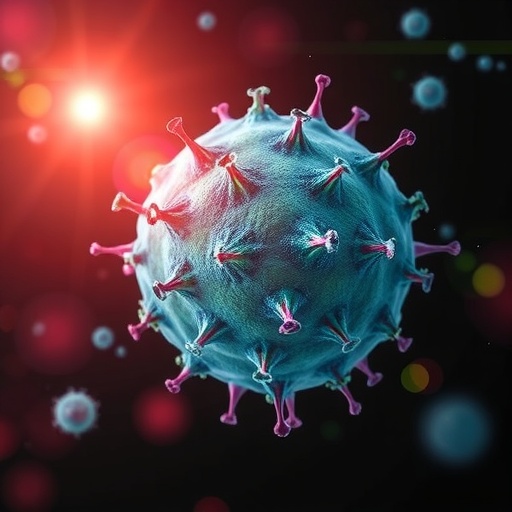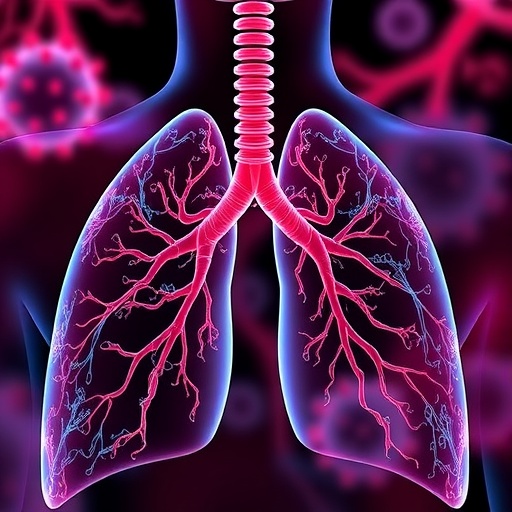
Emerging research from the University of Virginia (UVA) has unveiled a startling connection between severe viral respiratory infections and an increased risk for lung cancer development months or even years post-infection. This groundbreaking study, spearheaded by Dr. Jie Sun and colleagues at UVA’s Beirne B. Carter Center for Immunology Research and Comprehensive Cancer Center, elucidates how severe cases of COVID-19, influenza, and pneumonia induce long-lasting alterations in lung immune cell behavior, effectively “reprogramming” the pulmonary immune landscape to favor tumor growth. Their findings illuminate critical implications for clinical surveillance paradigms, vaccination policies, and future cancer prevention strategies.
The investigation began with an acknowledgement of the longstanding gap in understanding the long-term oncogenic consequences of viral lung injuries. Researchers utilized both murine models and retrospective human clinical data to assess how severe respiratory viral infections modulate lung immunity and impact carcinogenesis. Results from murine studies demonstrated that mice afflicted with severe pulmonary infections exhibited a marked propensity to develop lung tumors and suffered higher mortality rates following cancer establishment when compared to uninfected controls. This phenomenon suggested a causative link between intense lung inflammation and an immunological milieu conducive to cancer progression.
In parallel analysis, the team accessed large-scale patient datasets revealing a statistically significant association between hospitalization for severe COVID-19 and an elevated incidence of lung cancer, quantified at a 1.24-fold increased risk independent of traditional risk factors like smoking and pre-existing comorbidities. This correlation underscored the real-world clinical relevance of the murine findings and raised urgent questions about post-infection cancer monitoring protocols. Notably, mild COVID-19 cases did not present this increased risk, implying that the severity of immune perturbation is the critical determinant in carcinogenic priming.
Mechanistically, the study pinpointed drastic shifts in lung-resident innate immune cells—specifically neutrophils and macrophages—that are ordinarily responsible for pathogen clearance and tissue homeostasis. Following severe viral infection, these cells adopt dysfunctional phenotypes characterized by sustained pro-inflammatory cytokine production and extracellular matrix remodeling. This aberrant activation fosters a chronic inflammatory microenvironment rich in reactive oxygen species and growth factors, creating fertile ground for malignant transformation and tumor growth. Additionally, perturbations to the epithelial lining of alveoli were observed, further compromising the lung’s integrity and enhancing vulnerability to oncogenic insults.
A significant and hopeful facet of Sun’s research is the protective effect consistent vaccination confers against these detrimental alterations. Vaccinated individuals, by priming adaptive immunity and curbing viral replication, mitigate the chaotic immune activation and lung injury associated with severe infection. The data suggest that vaccines serve a dual protective role: preventing acute disease hospitalization and abrogating the long-term immune scarring responsible for increased cancer susceptibility. This finding advocates for intensified vaccination efforts not only for infectious disease control but also for cancer prevention in vulnerable populations.
The clinical ramifications of these discoveries are profound. Dr. Jeffrey Sturek, a UVA physician-scientist who collaborated on the study, emphasized the need to rethink post-viral infection surveillance akin to long-established cancer risk assessments derived from smoking history. Patients recovering from severe viral pneumonia could benefit from more rigorous and routine lung cancer screening protocols, perhaps integrating low-dose computed tomography scans for early tumor detection. The insights call for personalized medicine approaches that integrate viral infection history into oncological risk stratification models.
Beyond clinical implications, the study expands our fundamental understanding of how acute infectious insults can prime chronic disease pathways. It reveals a novel paradigm where immune memory of viral trauma contributes to malignancy, broadening the landscape of cancer etiology beyond genetic and environmental factors. Such knowledge opens avenues for innovative therapeutic interventions aimed at restoring immune cell function and reversing pro-tumor inflammatory imprints in post-infection lungs.
UVA’s Beirne B. Carter Center continues to lead in dissecting the complex interplay between infection, immunity, and cancer, building on prior work elucidating immune cell plasticity in disease. The Center’s integrative approach, combining immunology, oncology, and infectious disease expertise, uniquely positions it to translate these findings into targeted therapies. Their efforts are complemented by the UVA Comprehensive Cancer Center’s national leadership in cancer research, recognized through the prestigious National Cancer Institute designation.
Publication of this multidisciplinary research in the high-impact journal Cell not only solidifies its scientific rigor but also ensures wide dissemination among the biomedical community. The work was supported by multiple National Institutes of Health grants and UVA institutional awards, highlighting the collaborative investment in addressing pressing health challenges arising from global pandemics and endemic respiratory diseases.
Dr. Sun and colleagues stress the urgency for the medical community to incorporate viral infection histories into routine cancer risk evaluation and to champion vaccination as a multifaceted health safeguard. With millions affected worldwide by severe COVID-19 and influenza annually, proactive measures based on this research could markedly reduce lung cancer morbidity and mortality. The authors anticipate that ongoing research will further clarify molecular pathways involved, fostering development of precision medicine interventions to disrupt the cancer-promoting sequelae of viral lung infections.
This transformative insight into the long-term oncological consequences of severe viral respiratory infections represents a critical advancement in both infectious disease and cancer biology. It underscores the intricate interdependence of immune health and cancer prevention, presenting new frontiers in public health policy, clinical practice, and biomedical research.
Subject of Research:
The study focuses on the long-term effects of severe respiratory viral infections (including COVID-19 and influenza) on lung immune cell reprogramming and subsequent increased risk for lung cancer.
Article Title:
Severe COVID-19, Flu Facilitate Lung Cancer Development Through Immune Cell Reprogramming: New UVA Study Highlights Protective Role of Vaccination
News Publication Date:
Not specified in the content.
Web References:
Making of Medicine blog at http://makingofmedicine.virginia.edu/ (for additional UVA and Manning Institute research updates)
References:
Findings published in the journal Cell. Full author list includes Jie Sun, Wei Qian, Xiaoqin Wei, and numerous collaborators.
Image Credits:
UVA Health
Keywords:
Viral infections, COVID-19, Long COVID, Flu vaccines, Lung cancer, Pneumonia, Innate immunity, Neutrophils, Macrophages, Immune reprogramming, Vaccination, Translational research, Cancer risk, Pulmonary inflammation
Tags: cancer prevention post-COVID-19immunological changes from severe respiratory virusesinfluenza infection and lung cancerlong-term effects of pneumonia on lungslung cancer development after viral infectionslung immune cell behavior after infectionpost-viral lung immune reprogrammingpulmonary inflammation and cancer progressionrespiratory viral infections and tumor growthretrospective clinical data on viral lung injurysevere COVID-19 lung cancer riskviral respiratory infections and oncogenesis