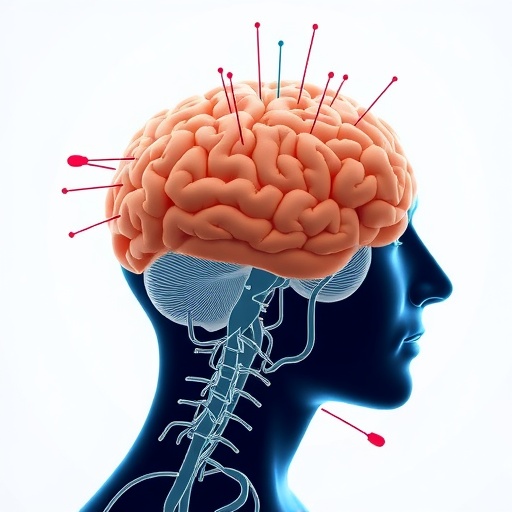
SAN ANTONIO — When it comes to radiation therapy to treat brain cancer, hippocampal-avoidance whole-brain radiotherapy in conjunction with the drug memantine better preserved patients' cognitive function and demonstrated similar cancer control outcomes, compared to traditional whole-brain radiotherapy with memantine.
These findings were presented on Tuesday, Oct. 23, by Mayo Clinic researchers at the 2018 annual meeting of the American Society for Radiation Oncology (ASTRO) in San Antonio.
"The hippocampus is a part of the brain associated with the limbic system and cognitive functions including memory," says says Paul Brown, M.D., a radiation oncologist at Mayo Clinic and senior author of the study. "Based on decades of translational studies, we know that even relatively modest doses of radiation to the hippocampi region of the brain contributes to cognitive problems for patients, such as memory loss." Dr. Brown says hippocampal-avoidance whole-brain radiotherapy was developed to help patients with brain cancer avoid cognitive damage during whole-brain radiation therapy.
For their study, Dr. Brown and his colleagues compared hippocampal-avoidance whole-brain radiotherapy to traditional whole-brain radiotherapy with patients in both arms study arms taking memantine.
Researchers enrolled 518 patients from July 2016 to March 2018. Patients were randomized to the two study arms. The median age of patients was 61.5 years. Treatment arms did not differ in baseline characteristics.
Researchers found that patients receiving hippocampal-avoidance whole-brain radiotherapy had better preservation of cognitive function, and achieved similar cancer control and overall survival than patients who received standard whole-brain radiation therapy. They also found that, while age independently predicts for neurocognitive function, the neurocognitive benefit of hippocampal avoidance did not differ by age.
"The results of this trial could have a significant impact on patients," says Dr. Brown. "The incidence of metastatic brain cancer is estimated to be as high as 200,000 cases per year in the United States. And depending upon a patient's primary cancer type, between 10 percent and 30 percent of patients with cancer will have cancer that spreads to the brain."
"This is one of the few clinical trials in radiation oncology that originated in the laboratory, was then tested in a phase II trial, and finally, building on prior trials, was tested in a phase III trial which demonstrated positive improvements," says Dr. Brown. "We plan to present our findings with updated data, including patient-reported symptoms next month at the 2018 Society of Neuro-Oncology annual meeting in New Orleans."
###
This research was supported by grants UG1CA189867 (NCORP), U10CA180868 (NRG Oncology Operations), Division of Cancer Prevention from the National Cancer Institute.
About Mayo Clinic Cancer Center
As a leading institution funded by the National Cancer Institute, Mayo Clinic Cancer Center conducts basic, clinical and population science research, translating discoveries into improved methods for prevention, diagnosis, prognosis and therapy. For information on cancer clinical trials, call the Clinical Trials Referral Office at 1-855-776-0015 (toll-free).
About Mayo Clinic
Mayo Clinic is a nonprofit organization committed to clinical practice, education and research, providing expert, comprehensive care to everyone who needs healing. Learn more about Mayo Clinic. Visit the Mayo Clinic News Network.
Media Contact
Joe Dangor
[email protected]
507-284-5005
@MayoClinic
http://www.mayoclinic.org/news
https://newsnetwork.mayoclinic.org/discussion/new-radiotherapy-treatment-for-brain-cancer-offers-superior-preservation-of-cognitive-function-mayo-researchers-say/