In a groundbreaking revelation poised to reshape our understanding of the botanical landscape in Rajasthan, India’s flora, researchers have introduced a noteworthy addition: the genus Pancratium Dill. ex L. Registered under the esteemed family Amaryllidaceae, this genus has not only piqued the interests of botanists but has also sparked discussions among conservationists regarding its ecological significance in one of India’s most diverse ecosystems.
The study, which will be published in the prominent journal Discover Plants, marks a crucial step in documenting the rich biodiversity of Rajasthan. The genus Pancratium, known for its striking flowers and unique adaptations, thrives in arid climates, making it an exceptional specimen for study amidst Rajasthan’s challenging environmental conditions. The appearance of this genus in the region sheds light on the flora’s resilience and adaptation mechanisms to extreme climatic conditions, including drought and high temperatures.
One cannot underestimate the importance of such discoveries, particularly in an era where environmental changes threaten biodiversity across the globe. The addition of Pancratium to Rajasthan’s flora underscores the need for continued exploration and documentation of native plant species. Such efforts are vital not only for scientific records but also for preserving the ecological balance, which is increasingly put at risk by urbanization and climate change.
The researchers, led by D. Suman and accompanied by a team that includes P. Meena and T. Bhami, undertook a meticulous field study, exploring various habitats where the genus Pancratium was expected to flourish. Their endeavors were not without challenges. In navigating Rajasthan’s diverse climatic zones, the team ensured they documented the ecological niches where these plants thrive, gathering vital data on their distribution and growth patterns.
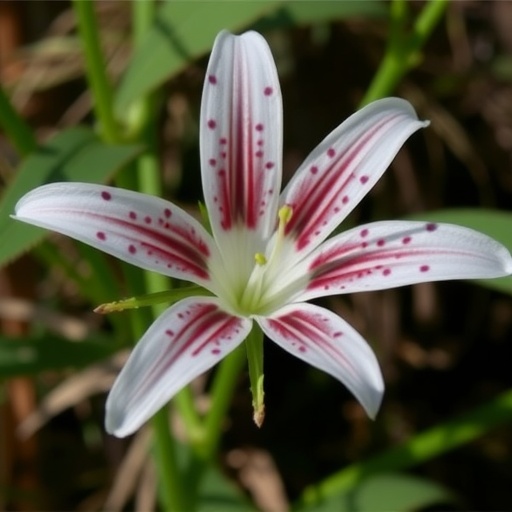
In their publication, the researchers delve into the morphology of Pancratium, providing detailed descriptions of its leaves, bulbs, and, most importantly, its inflorescences, characterized by clusters of large, fragrant flowers. Such morphological details are essential not just for identification but also for understanding the evolutionary pathways of the species. The morphological characteristics of Pancratium reflect its adaptation to Rajasthan’s arid climate, showcasing a remarkable example of nature’s ability to evolve in response to environmental challenges.
Additionally, the findings have implications beyond mere cataloging of species. The presence of Pancratium in Rajasthan may play an essential role in local ecosystems, influencing pollinator behaviors and contributing to the intricate web of life. The study illustrates how even a single genus can affect local biodiversity, highlighting the interconnectedness of plant species and their environments.
One of the more intriguing aspects of this discovery is the ecological roles Pancratium may perform in its native habitat. The genus is known to attract specific pollinators, which can lead to cross-pollination benefits across various plant species in the region. Understanding these interactions is crucial for researchers striving to preserve Rajasthan’s rich plant life, particularly in light of invasive species that threaten native flora.
As urban development continues to encroach on natural habitats in Rajasthan, the ongoing research into species like Pancratium becomes even more critical. Scientists emphasize the need for conservation efforts aimed at preserving not only individual species but also the ecosystems that sustain them. This research advocates for increased awareness and protective measures, ensuring that future generations can appreciate the biodiversity of Rajasthan.
Furthermore, the study’s findings may hold significant implications for agricultural practices in the region. By understanding how Pancratium thrives in harsh conditions, researchers can uncover methods to enhance crop resilience against climate change challenges. Observations derived from the behavior of this genus may inform agricultural scientists about sustainable practices that help crops withstand environmental stressors.
The methodological approach adopted by Suman, Meena, and Bhami has been meticulous. They employed a range of techniques, including both qualitative and quantitative measures, to identify and document the locations and characteristics of Pancratium. This thoroughness ensures that their findings stand on solid scientific ground, providing a benchmark for future studies and ecological assessments in the region.
In collaboration with local ecologists, the research team has also started a conversation with the community about the significance of preserving native plant species, such as Pancratium. Engaging local populations in the discussion regarding biodiversity conservation is paramount; it fosters a greater understanding of the delicate balance of local ecosystems and encourages stewardship among residents.
As the publication date of this pivotal research approaches, anticipation is building within the scientific community. The broader implications of this study may pave the way for further investigations into Rajasthan’s uncharted plant species. Exploring the flora of Rajasthan not only contributes to the conservation of the area but also enriches global botanical knowledge, which is vital in an era marked by rapid environmental change.
In conclusion, the addition of the genus Pancratium to the flora of Rajasthan serves as a reminder of the remarkable diversity and resilience present in our natural world. As the research team advocates for more exploration and protection of this unique flora, they instill hope for the future of Rajasthan’s ecosystems. The work highlights the crucial intersection between botany and conservation, emphasizing that preserving our natural heritage is of paramount importance.
Subject of Research: Addition of the genus Pancratium to the Flora of Rajasthan, India
Article Title: Addition of the genus Pancratium Dill. ex L. (Amaryllidaceae) to the Flora of Rajasthan, India.
Article References: Suman, D., Meena, P., Bhami, T. et al. Addition of the genus Pancratium Dill. ex L. (Amaryllidaceae) to the Flora of Rajasthan, India. Discov. Plants 3, 3 (2026). https://doi.org/10.1007/s44372-025-00445-4
Image Credits: AI Generated
DOI: https://doi.org/10.1007/s44372-025-00445-4
Keywords: Flora, Rajasthan, Pancratium, Biodiversity, Ecology, Conservation, Adaptation, Amaryllidaceae
Tags: adaptation of plants to arid climatesAmaryllidaceae family plantsbiodiversity in Rajasthanbotanical research in Indiaconservation of native plant speciesdiscovery of new plant speciesdocumentation of Rajasthan’s floradrought-resistant floraecological significance of Pancratiumenvironmental changes and plant resilienceimpact of urbanization on biodiversityNew Pancratium species in Rajasthan