• HOME
  • NEWS
  • EXPLORE
    • CAREER
      • Companies
      • Jobs
    • EVENTS
    • iGEM
      • News
      • Team
    • PHOTOS
    • VIDEO
    • WIKI
  • BLOG
  • COMMUNITY
    • FACEBOOK
    • INSTAGRAM
    • TWITTER
Saturday, May 16, 2026
BIOENGINEER.ORG
No Result
View All Result
  • Login
  • HOME
  • NEWS
  • EXPLORE
    • CAREER
      • Companies
      • Jobs
        • Lecturer
        • PhD Studentship
        • Postdoc
        • Research Assistant
    • EVENTS
    • iGEM
      • News
      • Team
    • PHOTOS
    • VIDEO
    • WIKI
  • BLOG
  • COMMUNITY
    • FACEBOOK
    • INSTAGRAM
    • TWITTER
  • HOME
  • NEWS
  • EXPLORE
    • CAREER
      • Companies
      • Jobs
        • Lecturer
        • PhD Studentship
        • Postdoc
        • Research Assistant
    • EVENTS
    • iGEM
      • News
      • Team
    • PHOTOS
    • VIDEO
    • WIKI
  • BLOG
  • COMMUNITY
    • FACEBOOK
    • INSTAGRAM
    • TWITTER
No Result
View All Result
Bioengineer.org
No Result
View All Result
Home Headlines

New MRI tech could help doctors detect heart disease with better…

Bioengineer.org by Bioengineer.org
January 20, 2018
in Headlines, Health, Science News
Reading Time: 2 mins read
0
Share on FacebookShare on TwitterShare on LinkedinShare on RedditShare on Telegram
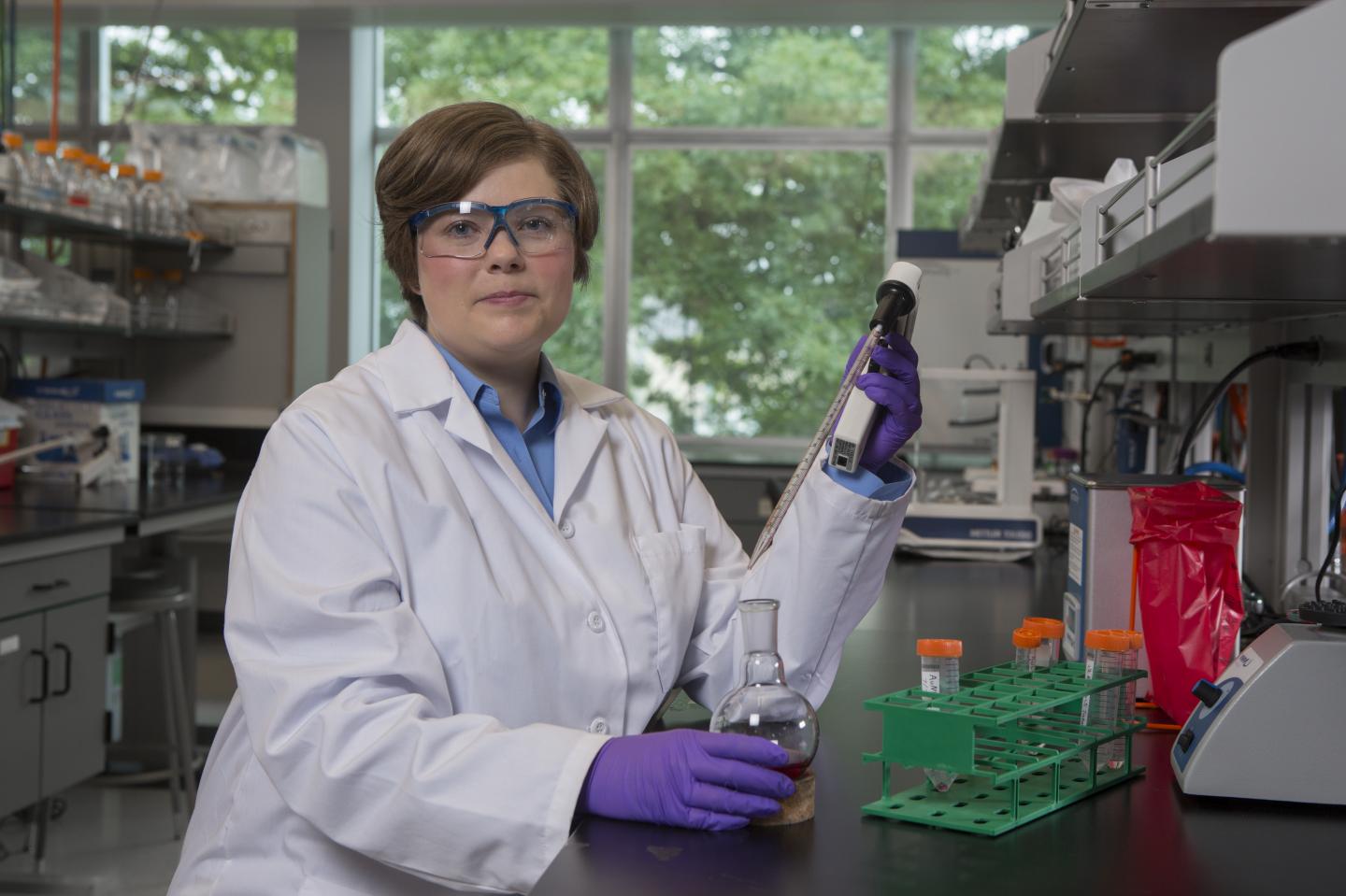
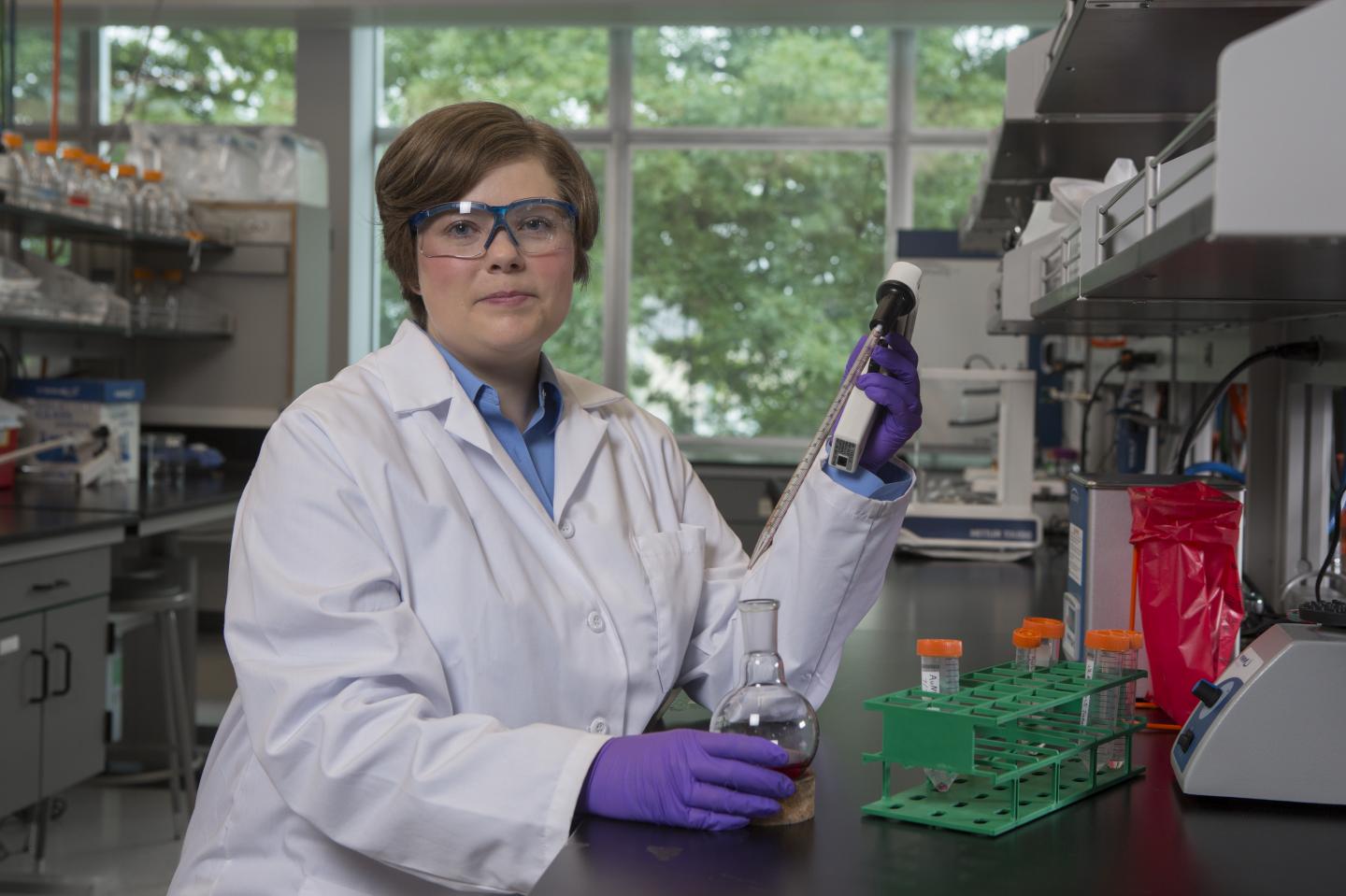
IMAGE

Credit: Binghamton University, State University of New Yor

BINGHAMTON, NY- Doctors might be able to better detect any disease or disorder that involves inflammation thanks to a new MRI imaging technology co-developed by faculty at Binghamton University, State University of New York.

Amber Doiron, research assistant professor in the biomedical engineering department at Binghamton University, along with a fellow researcher at Temple University, has developed a new MRI imaging technology that, when injected, could help doctors detect inflammation in the body that is indicative of heart disease.

"Doctors use factors like blood pressure and cholesterol level to get an idea of a patient's risk. Then they use plaque size as a general measure of whether a person has the disease," said Doiron. "But there's a fairly poor correlation between plaque size and heart attack or stroke."

"We created a nanoparticle-based contrast agent for MRI," added Doiron. "It can theoretically be injected and, when activated, we can actually see areas of inflammation on the MRI scan."

Being able to detect inflammation is how Doiron's study will help doctors predict the effects of heart disease with better accuracy. However, the nanoparticle can also be used to pick up other types of inflammation throughout the body. Inflammation is a common factor in many other diseases, so potentially, "any inflammatory disease could be detected in this way," said Doiron.

The list of diseases or disorders related to inflammation is a long one. It includes common ones like allergies and asthma, as well as the more complex like hepatitis and transplant rejection.

With continued research, this study could help doctors detect inflammatory diseases sooner and pinpoint where the inflammation is in the body via the MRI scan, said Doiron.

Doiron and her collaborator received a two-year, $418,000 grant from the National Institute of Biomedical Imaging and Bioengineering to support this research.

###

The study, "Activatable interpolymer complex-superparamagnetic iron oxide nanoparticles as magnetic resonance contrast agents sensitive to oxidative stress," was published in Colloids and Surfaces B: Biointerfaces.

Media Contact

Amber Doiron
[email protected]
607-777-5477
@binghamtonu

http://www.binghamton.edu

Related Journal Article

http://dx.doi.org/10.1016/j.colsurfb.2017.07.025

Share12Tweet8Share2ShareShareShare2

Related Posts

New Actinomycin Derivatives Target Malaria More Selectively

May 16, 2026

Mobile App Enhances Exercise for Older Adults’ Cognition

May 16, 2026

Botulinum Toxin Reduces Urinary Retention Post-Hemorrhoidopexy

May 16, 2026

Blood Metal Exposure Linked to Puberty Timing

May 16, 2026
Please login to join discussion

POPULAR NEWS

  • Research Indicates Potential Connection Between Prenatal Medication Exposure and Elevated Autism Risk

    843 shares
    Share 337 Tweet 211
  • New Study Reveals Plants Can Detect the Sound of Rain

    730 shares
    Share 291 Tweet 182
  • Salmonella Haem Blocks Macrophages, Boosts Infection

    62 shares
    Share 25 Tweet 16
  • Breastmilk Balances E. coli and Beneficial Bacteria in Infant Gut Microbiomes

    58 shares
    Share 23 Tweet 15

About

We bring you the latest biotechnology news from best research centers and universities around the world. Check our website.

Follow us

Recent News

New Actinomycin Derivatives Target Malaria More Selectively

Mobile App Enhances Exercise for Older Adults’ Cognition

Botulinum Toxin Reduces Urinary Retention Post-Hemorrhoidopexy

Subscribe to Blog via Email

Enter your email address to subscribe to this blog and receive notifications of new posts by email.

Join 82 other subscribers
  • Contact Us

Bioengineer.org © Copyright 2023 All Rights Reserved.

Welcome Back!

Login to your account below

Forgotten Password?

Retrieve your password

Please enter your username or email address to reset your password.

Log In
No Result
View All Result
  • Homepages
    • Home Page 1
    • Home Page 2
  • News
  • National
  • Business
  • Health
  • Lifestyle
  • Science

Bioengineer.org © Copyright 2023 All Rights Reserved.