• HOME
  • NEWS
  • EXPLORE
    • CAREER
      • Companies
      • Jobs
    • EVENTS
    • iGEM
      • News
      • Team
    • PHOTOS
    • VIDEO
    • WIKI
  • BLOG
  • COMMUNITY
    • FACEBOOK
    • INSTAGRAM
    • TWITTER
Friday, November 6, 2026
BIOENGINEER.ORG
No Result
View All Result
  • Login
  • HOME
  • NEWS
  • EXPLORE
    • CAREER
      • Companies
      • Jobs
        • Lecturer
        • PhD Studentship
        • Postdoc
        • Research Assistant
    • EVENTS
    • iGEM
      • News
      • Team
    • PHOTOS
    • VIDEO
    • WIKI
  • BLOG
  • COMMUNITY
    • FACEBOOK
    • INSTAGRAM
    • TWITTER
No Result
View All Result
Bioengineer.org
No Result
View All Result
Home NEWS Science News Chemistry

New model predicts how fast plastics fragment and degrade in nature

by
November 6, 2026
in Chemistry
Reading Time: 2 mins read
0
New model predicts how fast plastics fragment and degrade in nature

New model predicts how fast plastics fragment and degrade in nature

Share on FacebookShare on TwitterShare on LinkedinShare on RedditShare on Telegram

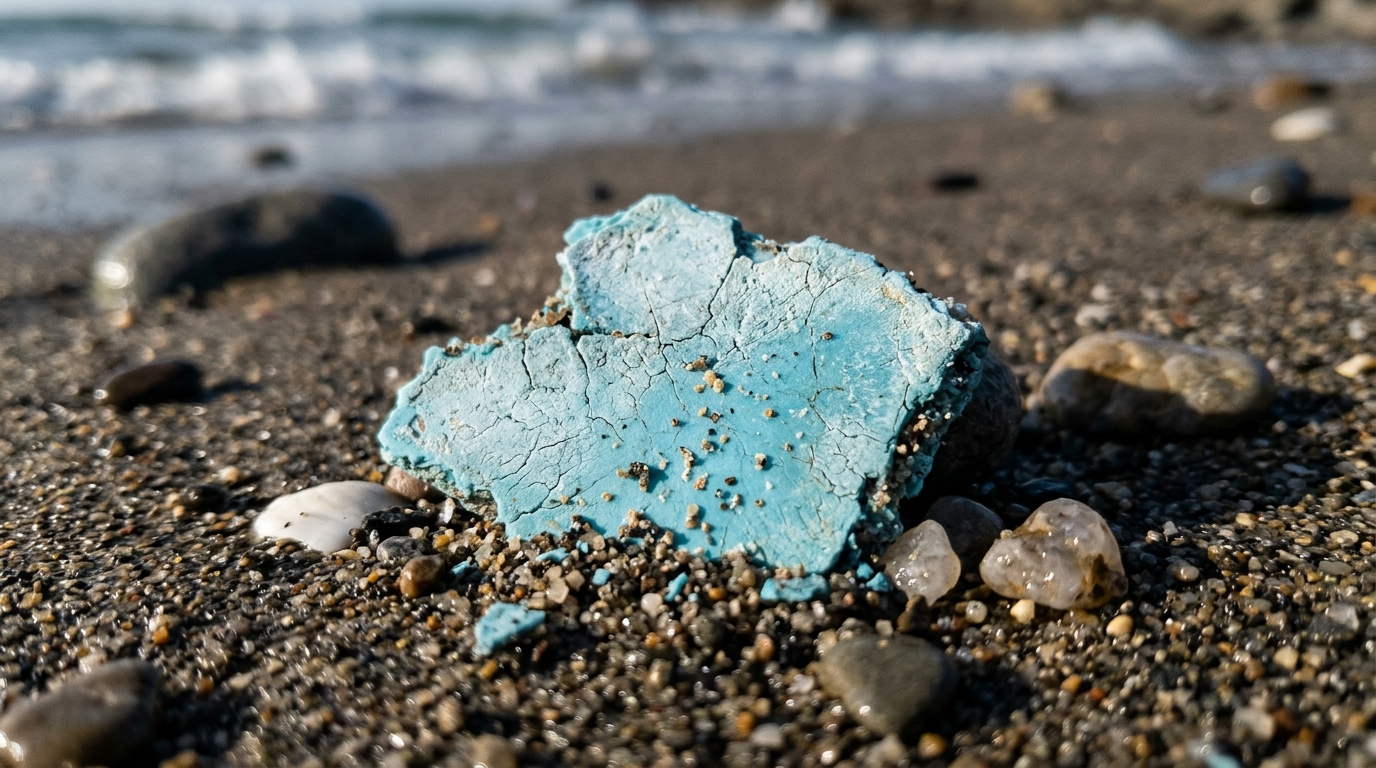
Plastics are now widespread across the globe, and their fragmentation and degradation in natural environments remain poorly quantified, even though these processes govern where plastic debris ends up and what harm it can cause. A team led by Yibo Tang, Nadim Saadi, Jérôme Lavoie and Anne-Marie Boulay has introduced PlasticFADE, described as the first iteration of an empirical model that predicts polymer-specific rate constants for plastic fragmentation and degradation across different environmental compartments. The work, published in the journal Microplastics and Nanoplastics, was compiled from experimental data on plastic fragmentation and degradation systematically gathered from the published literature.

The motivation comes from life cycle assessment, the standard framework for evaluating the environmental performance of products and services. According to the authors, current life cycle impact assessment models do a poor job of capturing the degradation and fragmentation mechanisms that determine how plastic polymers behave once released, which limits their ability to characterize potential biodiversity impacts from plastic emissions to natural environments. PlasticFADE is intended to fill that gap by turning scattered laboratory and field measurements into usable, polymer-specific predictions.

The model’s central output is a set of rate constants, and those constants vary considerably across polymers and compartments. That variation matters because it means a bottle cap, a fishing net and a shopping bag made of different polymers will not persist on the same timescales, even in the same place. Translated into estimated lifespans, the predictions range from several decades to over a millennium, a span wide enough to change how long-term plastic accumulation might be modeled.

Where plastics break down fastest is not uniform either.

The authors are explicit that the model’s outputs should be interpreted with due caution.

Even with those limitations, the researchers argue the model offers valuable insights into plastic fate processes and significant potential for improving current life cycle impact assessment methods for plastic emissions assessment.

The article was published as open access on 03 November 2026 and is being shared early to provide faster access to peer-reviewed, accepted research; the version carries a permanent DOI and remains citable, but is subject to further edits before the final Version of Record replaces it.

Subject of Research: A predictive empirical model for plastic fragmentation and degradation rates in the environment

Article Title: PlasticFADE: a predictive model for plastic fragmentation and degradation rates in the environment

Article References: Tang, Y., Saadi, N., Lavoie, J., & Boulay, A.-M. (2026). PlasticFADE: a predictive model for plastic fragmentation and degradation rates in the environment. Microplastics and Nanoplastics. https://doi.org/10.1186/s43591-026-00243-z

Image Credits: AI Generated

DOI: 10.1186/s43591-026-00243-z

Keywords: microplastics, plastic pollution, PlasticFADE, fragmentation, degradation, life cycle assessment, LCIA, polymers, environmental fate, beaches, water column, predictive

News Source: Bethany Barker. (November 6, 2026). New model predicts how fast plastics fragment and degrade in nature. Scienmag.


Tags: beachesdegradationenvironmental fatefragmentationLCIAlife cycle assessmentmicroplasticsplastic pollutionPlasticFADEPolymerspredictivewater column
Share12Tweet7Share2ShareShareShare1

Related Posts

Pretreatments Alter Safflower Seed Oil Concomitants and Volatile Compounds

Pretreatments Alter Safflower Seed Oil Concomitants and Volatile Compounds

November 6, 2026
Structural Analysis Reveals How Cerium Cations Bind and Function Within Proteins

Structural Analysis Reveals How Cerium Cations Bind and Function Within Proteins

November 6, 2026

Iron Complex Locked Inside Zeolite Nanocavities Drives Efficient Oxidative Coupling

November 6, 2026

Review Analyzes Olive Phenol Hydroxytyrosol Across Cellular Pathways and Clinical Trials

November 6, 2026

POPULAR NEWS

  • KRAS Phosphorylation Drives Colorectal Cancer Invasion by Boosting Cathepsin B Secretion

    KRAS Phosphorylation Drives Colorectal Cancer Invasion by Boosting Cathepsin B Secretion

    29 shares
    Share 12 Tweet 7
  • Platelets Undergo Lifespan Remodeling That Promotes Thromboinflammation and Fuels Tumor Progression

    29 shares
    Share 12 Tweet 7
  • Social Sciences Expose Hidden Inequities Shaping Neglected Tropical Diseases

    29 shares
    Share 12 Tweet 7
  • Fourier-Enhanced TecoGAN Improves Video Super-Resolution Quality and Temporal Stability

    29 shares
    Share 12 Tweet 7

About

We bring you the latest biotechnology news from best research centers and universities around the world. Check our website.

Follow us

Recent News

Research report: The Diffusion of Digital Empowerment: The Relationship Between Digital Strategy, Digital Routinization, and Digital Capability

Beetle Diversity Surveyed Across Elevational Gradients in Colombia’s Coastal Sierra Nevada

KRAS Phosphorylation Drives Colorectal Cancer Invasion by Boosting Cathepsin B Secretion

Subscribe to Blog via Email

Enter your email address to subscribe to this blog and receive notifications of new posts by email.

Join 86 other subscribers
  • Contact Us

Bioengineer.org © Copyright 2023 All Rights Reserved.

Welcome Back!

Login to your account below

Forgotten Password?

Retrieve your password

Please enter your username or email address to reset your password.

Log In
No Result
View All Result
  • Homepages
    • Home Page 1
    • Home Page 2
  • News
  • National
  • Business
  • Health
  • Lifestyle
  • Science

Bioengineer.org © Copyright 2023 All Rights Reserved.