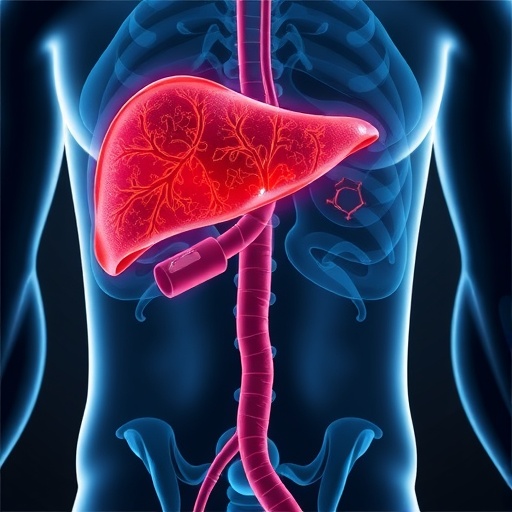
In the rapidly evolving landscape of metabolic diseases, metabolic dysfunction-associated steatohepatitis (MDS) has emerged as a formidable clinical challenge, stimulating intense research into novel therapeutic avenues. This liver disease, often intertwined with obesity, type 2 diabetes, and cardiovascular conditions, reflects a complex interplay of metabolic, inflammatory, and fibrotic pathways. A recent groundbreaking study by Han, Shin, Kim, and colleagues published in the Journal of Pharmaceutical Investigation posits a new frontier in medical treatment by highlighting the potential of metabolic hormone therapeutics, particularly focusing on incretin-based drugs, fibroblast growth factor (FGF) analogs, and innovative liver-targeting strategies.
MDS, a condition marked by excessive fat accumulation and inflammation in the liver, progressively impairs hepatic function and can trigger cirrhosis or liver cancer. Traditional therapies have often fallen short, primarily due to the multifactorial nature of the disease’s pathogenesis. This has propelled researchers towards exploring systemic hormone pathways that regulate energy metabolism, insulin sensitivity, and inflammation. Central to this emerging therapeutic paradigm are hormones that originally mediate glucose homeostasis but show promising hepatoprotective effects beyond their classical roles.
Incretin hormones, including glucagon-like peptide-1 (GLP-1) and glucose-dependent insulinotropic polypeptide (GIP), have garnered attention for their dual regulatory effects on metabolism and inflammation. These peptide hormones enhance insulin secretion, suppress glucagon release, and slow gastric emptying, all of which contribute to improved glycemic control. More intriguingly, their receptor agonists have shown a capacity not only to reduce hepatic steatosis but also to attenuate inflammatory and fibrotic markers within the liver. This positions incretin-based therapies as potent modulators capable of addressing multiple pathological axes of MDS.
FGF analogs represent another class of promising metabolic hormone agents. These proteins, especially FGF19 and FGF21, function as key regulators of lipid metabolism, energy expenditure, and insulin sensitivity. Synthetic analogs have been engineered to optimize receptor binding and extend half-life, enhancing their therapeutic viability. Preclinical and early clinical data reveal that FGF analogs can reduce liver fat accumulation, resolve inflammation, and disrupt the fibrogenic cascade, which could translate into meaningful disease modification in patients with MDS.
An essential aspect of advancing these hormonal therapeutics lies in optimizing liver-targeting strategies. The liver’s unique microenvironment and cell populations offer specific opportunities to enhance drug delivery and efficacy while minimizing systemic side effects. Innovative approaches such as conjugation with molecules that exploit hepatic transporter systems, nanoparticle encapsulation, and prodrug designs are under active development. These strategies ensure that therapeutic concentrations of peptides or analogs are achieved specifically in hepatic tissues, maximizing local benefit and safety.
The intricate mechanisms underlying the therapeutic effects of incretin-based drugs illustrate their multifaceted influence on hepatic metabolism. GLP-1 receptor agonists, for instance, promote mitochondrial biogenesis within hepatocytes, improving oxidative capacity and reducing lipid accumulation. Additionally, their anti-inflammatory properties mitigate Kupffer cell activation and necroinflammatory processes, pivotal contributors to MDS progression. Such pleiotropic effects signify a paradigm shift from symptomatic treatment to correction of underlying metabolic disturbances.
FGF analog therapeutics exert their impact through complex signaling cascades involving FGF receptors coupled with coreceptors like β-Klotho. By modulating these pathways, they orchestrate systemic improvements including enhanced fatty acid oxidation, reduced de novo lipogenesis, and increased insulin sensitivity, all converging to alleviate hepatic steatosis. Furthermore, FGF21 analogs suppress proinflammatory cytokine secretion and stabilize hepatic stellate cell activation, which drives fibrosis. These molecular insights reinforce their capacity to modify disease trajectory fundamentally.
Clinical trial data, while still emerging, provides encouraging evidence supporting safety and efficacy of these treatments. Recent phase II studies reveal significant reductions in liver fat content measured by imaging modalities and biomarkers, alongside improvements in metabolic parameters such as HbA1c and lipid profiles. The tolerability profile remains favorable, with gastrointestinal symptoms constituting the most common adverse events, typically mild to moderate in severity. These preliminary findings lay the groundwork for more expansive phase III trials aimed at regulatory approval.
Moreover, the combinatorial use of incretin-based drugs with FGF analogs is an area of intense investigation. Such combinations potentially leverage complementary mechanisms, amplifying metabolic and hepatic benefits. Synergistic effects could include enhanced glucose regulation, superior anti-inflammatory activity, and more robust antifibrotic response. This integrated approach reflects an advanced understanding of MDS’s multifaceted nature, harnessing therapeutic synergies to optimize outcomes.
Underlying all therapeutic advances is a growing body of knowledge about the pathophysiological network orchestrating MDS. This informs the strategic design of hormone mimetics and analogs capable of intercepting disease progression at multiple junctures. Importantly, recognizing the heterogeneity within patient populations guides the application of personalized medicine, tailoring hormone-based interventions to individual metabolic phenotypes and disease stages.
What distinguishes this emerging class of metabolic hormone therapeutics is their potential to fill a critical gap in current treatment standards, which largely rely on lifestyle modification and limited pharmacological options addressing only singular aspects of the disease. By targeting key metabolic regulatory nodes, these agents promise a holistic approach capable of reversing steatosis, curbing inflammation, and halting or even reversing fibrosis, thereby preventing progression to cirrhosis and liver failure.
Future research directions will likely involve refining delivery platforms to enhance hepatic targeting, extending peptide half-lives, and minimizing immunogenicity. Parallel efforts to identify robust biomarkers for early detection and for monitoring treatment response are crucial. Additionally, long-term outcome studies assessing impacts on liver-related morbidity and mortality will validate the clinical utility of these novel therapies, shaping future guidelines for metabolic liver disease management.
In conclusion, the integration of incretin-based drugs, FGF analogs, and advanced liver-targeting strategies delineates a transformative horizon in the treatment of metabolic dysfunction-associated steatohepatitis. This innovative approach exemplifies how understanding and harnessing hormone signaling pathways can lead to therapeutics that not only manage symptoms but actively reverse disease pathology. As research progresses, these metabolic hormone therapeutics hold the promise to profoundly affect patient lives and redefine standards of care in hepatology and metabolic medicine.
Subject of Research: Metabolic hormone therapeutics targeting metabolic dysfunction-associated steatohepatitis (MDS).
Article Title: Emerging metabolic hormone therapeutics for metabolic dysfunction-associated steatohepatitis: incretin-based drugs, fibroblast growth factor analogs, and liver-targeting strategies.
Article References:
Han, S., Shin, J., Kim, J.C. et al. Emerging metabolic hormone therapeutics for metabolic dysfunction-associated steatohepatitis: incretin-based drugs, fibroblast growth factor analogs, and liver-targeting strategies. J. Pharm. Investig. (2026). https://doi.org/10.1007/s40005-026-00815-4
Image Credits: AI Generated
DOI: https://doi.org/10.1007/s40005-026-00815-4
Tags: advances in steatohepatitis pharmacologyfibroblast growth factor analogs in metabolic disordersGLP-1 and GIP in liver metabolismhepatoprotectivehormone therapies for steatohepatitishormone-mediated glucose homeostasis in liver diseaseincretin-based drugs for liver diseaseliver-targeting hormone therapiesmetabolic dysfunction-associated steatohepatitis treatmentmetabolic hormone regulation of inflammationnovel therapies for fatty liver diseasesteatohepatitis and insulin sensitivity