• HOME
  • NEWS
  • EXPLORE
    • CAREER
      • Companies
      • Jobs
    • EVENTS
    • iGEM
      • News
      • Team
    • PHOTOS
    • VIDEO
    • WIKI
  • BLOG
  • COMMUNITY
    • FACEBOOK
    • INSTAGRAM
    • TWITTER
Saturday, May 16, 2026
BIOENGINEER.ORG
No Result
View All Result
  • Login
  • HOME
  • NEWS
  • EXPLORE
    • CAREER
      • Companies
      • Jobs
        • Lecturer
        • PhD Studentship
        • Postdoc
        • Research Assistant
    • EVENTS
    • iGEM
      • News
      • Team
    • PHOTOS
    • VIDEO
    • WIKI
  • BLOG
  • COMMUNITY
    • FACEBOOK
    • INSTAGRAM
    • TWITTER
  • HOME
  • NEWS
  • EXPLORE
    • CAREER
      • Companies
      • Jobs
        • Lecturer
        • PhD Studentship
        • Postdoc
        • Research Assistant
    • EVENTS
    • iGEM
      • News
      • Team
    • PHOTOS
    • VIDEO
    • WIKI
  • BLOG
  • COMMUNITY
    • FACEBOOK
    • INSTAGRAM
    • TWITTER
No Result
View All Result
Bioengineer.org
No Result
View All Result
Home NEWS Science News Biology

New hope for critically endangered Myanmar snub-nosed monkey

Bioengineer by Bioengineer
February 9, 2018
in Biology
Reading Time: 2 mins read
0
Share on FacebookShare on TwitterShare on LinkedinShare on RedditShare on Telegram
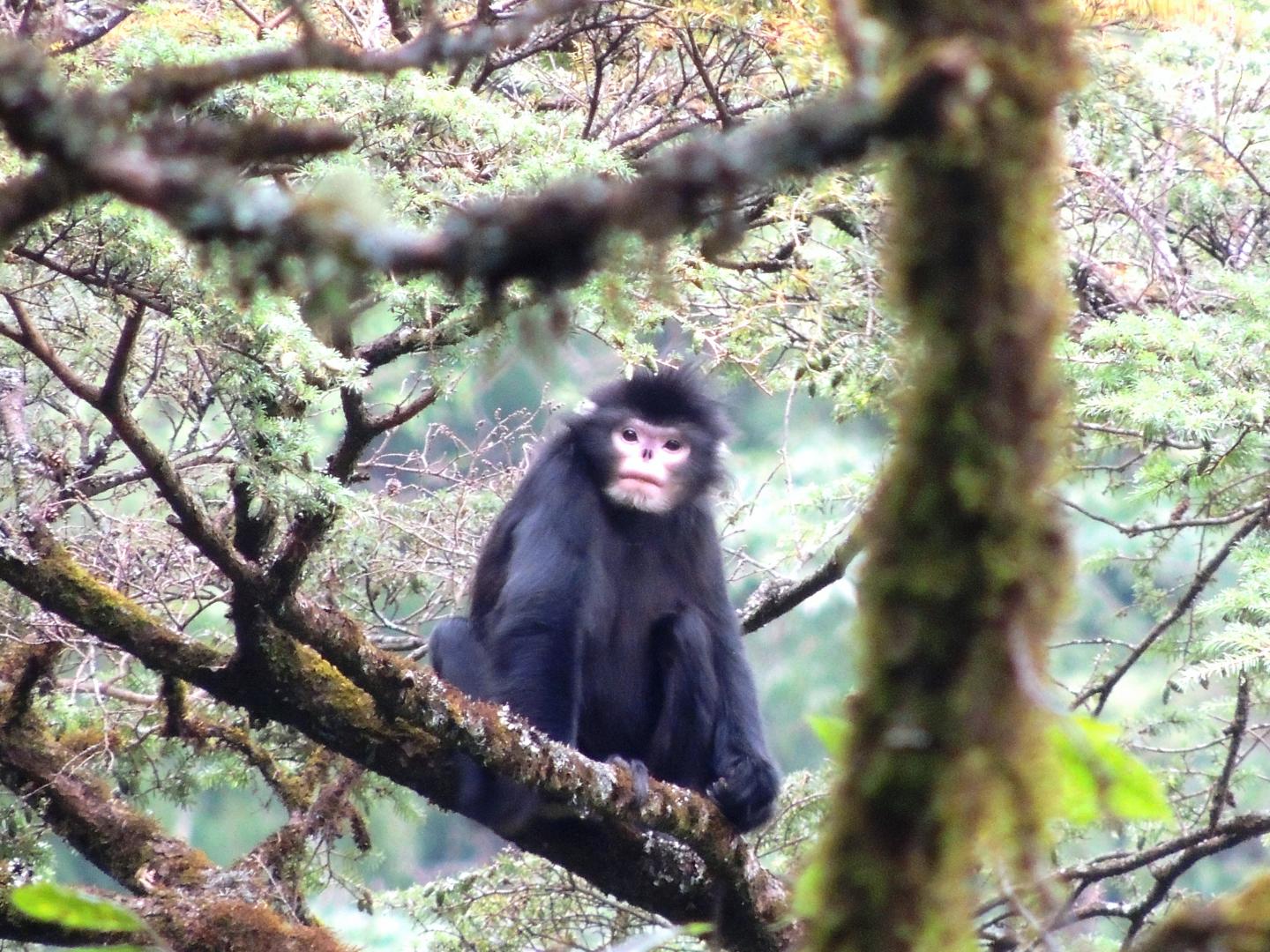
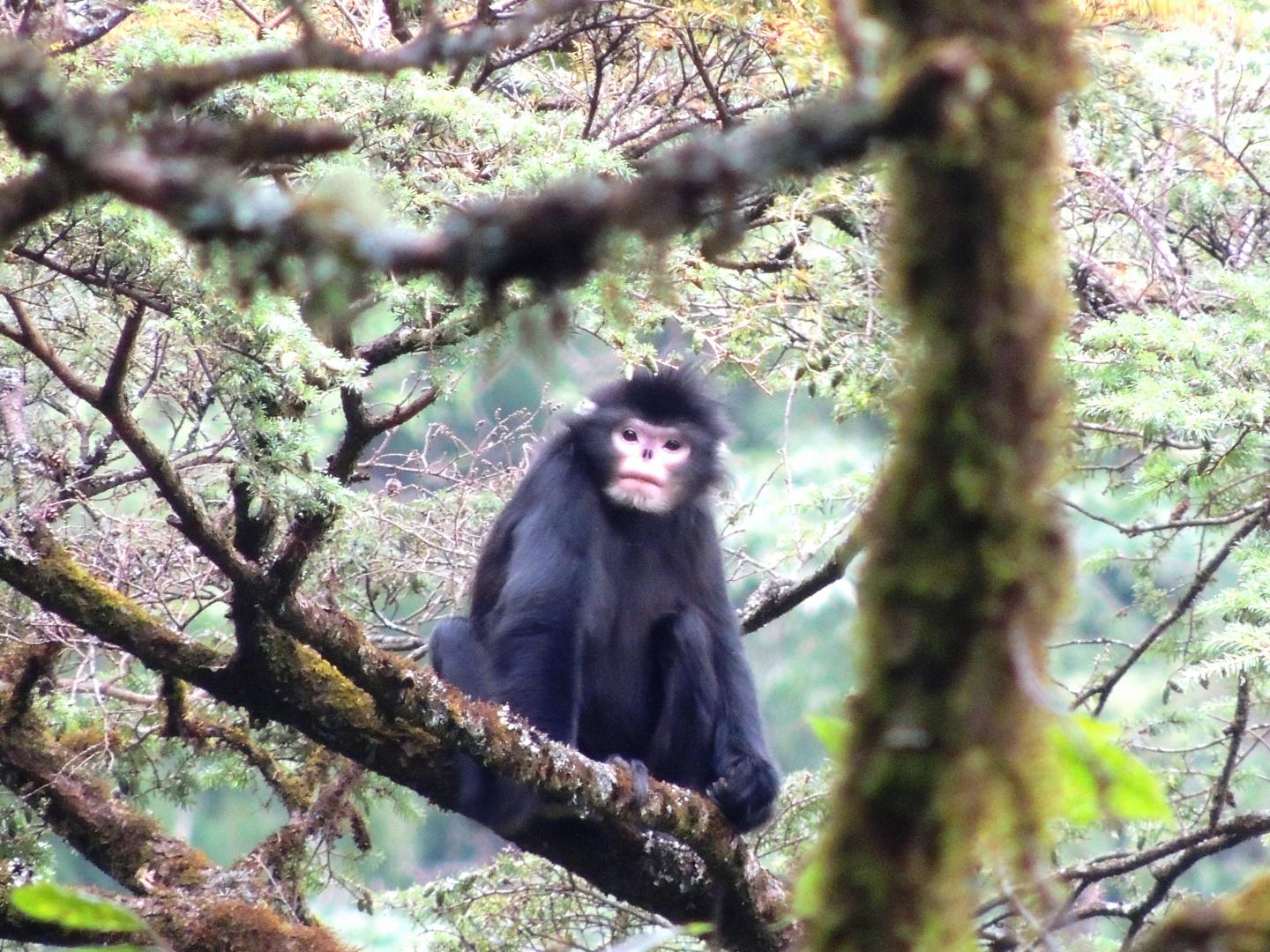
IMAGE

Credit: (c) Shaohua Dong

The species was discovered in Myanmar in 2010 by Ngwe Lwin, a local scientist working for FFI. The following year, scientists in China confirmed that these primates are also found in the neighbouring forests of Yunnan province. In 2012, research by FFI and partners led to the species being formally designated as critically endangered due to its small population size and threats from hunting and habitat loss.

Eight years after its discovery, the conservation status review sought to uncover how the species is faring. The report confirms that while the status of the snub-nosed monkey remains critical due to its fragmented, small population and ongoing threats, positive actions by communities, governments and NGOs have resulted in a dramatic improvement in the outlook for the species.

Joint action to reduce threats

Straddling the border lands of the Eastern Himalayas between Kachin state in Myanmar and Yunnan province in China the Myanmar snub-nosed monkey has been seriously threated by hunting and wildlife trade, illegal logging and forest destruction linked to hydropower schemes and associated infrastructure development.

The good news, however, is that this situation is beginning to turn around. Intensive community-based conservation awareness work has reduced the local hunting pressure in Myanmar, while the implementation of a trans-boundary agreement between China and Myanmar, signed in 2015, has significantly reduced illegal trans-boundary wildlife trade and illegal logging.

Both the Myanmar and Chinese Governments have also begun the process of establishing new protected areas on both sides of the border: Imawbum National Park in Myanmar and the Nujiang Grand Canyon National Park in China. Crucially, both governments recognised the importance of integrating the socioeconomic needs of local communities within the planning process, and the new protected areas will reflect this.

Furthermore, in Myanmar, the Forest Department has worked with FFI to complete the country's first fully participatory designation and boundary delineation process for a new protected area with the free, prior and informed consent of the local indigenous people. The official notification decree by the Ministry of Natural Resources and Environmental Conservation is expected to be issued this year.

"Protected area designation and trans-boundary collaboration, combined with the active participation of local communities in both biodiversity conservation and sustainable economic development, have substantially improved the chances for the snubby to be saved from the brink of extinction," says Frank Momberg, Director of Fauna & Flora International's Myanmar programme.

###

Media Contact

Sylvia Siersleben
[email protected]

http://dpz.eu

Original Source

http://www.dpz.eu/en/home/single-view/news/hoffnung-fuer-myanmar-stumpfnasenaffen-1.html

Share12Tweet8Share2ShareShareShare2

Related Posts

Uncovering C. elegans Immunity via Genetic Screens — Biology

Uncovering C. elegans Immunity via Genetic Screens

May 16, 2026
Single mother must adapt swiftly — the survival of her colony depends on it — Biology

Single mother must adapt swiftly — the survival of her colony depends on it

May 15, 2026

Why Are Nearly Everyone Right-Handed? It Might Be Linked to How We Learned to Walk

May 15, 2026

Excessive Neuronal Activity Initiates Severe Autoimmune Brain Disorder

May 15, 2026
Please login to join discussion

POPULAR NEWS

  • Research Indicates Potential Connection Between Prenatal Medication Exposure and Elevated Autism Risk

    844 shares
    Share 338 Tweet 211
  • New Study Reveals Plants Can Detect the Sound of Rain

    730 shares
    Share 291 Tweet 182
  • Salmonella Haem Blocks Macrophages, Boosts Infection

    62 shares
    Share 25 Tweet 16
  • Breastmilk Balances E. coli and Beneficial Bacteria in Infant Gut Microbiomes

    58 shares
    Share 23 Tweet 15

About

We bring you the latest biotechnology news from best research centers and universities around the world. Check our website.

Follow us

Recent News

Transitional Care Boosts Heart Failure Outcomes in Elders

Low-Power Enhanced I2C Controller: RTL to GDSII

Gymnopilus Mushrooms Yield Antibacterial Gymnopilin A10, Gymnoprenol B13

Subscribe to Blog via Email

Enter your email address to subscribe to this blog and receive notifications of new posts by email.

Join 82 other subscribers
  • Contact Us

Bioengineer.org © Copyright 2023 All Rights Reserved.

Welcome Back!

Login to your account below

Forgotten Password?

Retrieve your password

Please enter your username or email address to reset your password.

Log In
No Result
View All Result
  • Homepages
    • Home Page 1
    • Home Page 2
  • News
  • National
  • Business
  • Health
  • Lifestyle
  • Science

Bioengineer.org © Copyright 2023 All Rights Reserved.