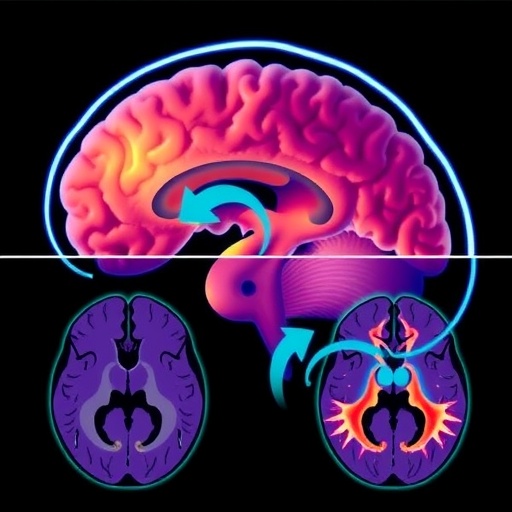
A landmark multidisciplinary consensus on prolactinoma diagnosis and management has been published, promising to reshape clinical practice for this prevalent pituitary tumor subtype. Prolactinomas, benign tumors arising from the pituitary gland, represent nearly half of all hormone-secreting pituitary adenomas and manifest with symptoms ranging from menstrual irregularities and infertility to visual disturbances and headaches. Women of reproductive age are predominantly affected, but delayed diagnosis in men, children, and adolescents can result in more aggressive disease requiring complex interventions.
The updated Chinese consensus, developed by a panel of 60 specialists across endocrinology, neurosurgery, radiology, and related fields, integrates cutting-edge evidence and clinical expertise into 36 detailed recommendations. The work reflects a systematic review process guided by internationally recognized standards and the GRADE approach, ensuring rigor and clinical relevance. It highlights the critical importance of early detection, recommending serum prolactin assays for patients with indicative symptoms while emphasizing the need to exclude alternative causes of hyperprolactinemia before confirming diagnosis.
Advanced neuroimaging remains central to prolactinoma evaluation. Conventional pituitary magnetic resonance imaging (MRI) continues to be the diagnostic gold standard, while dynamic contrast-enhanced MRI techniques show promise in improving detection sensitivity for microadenomas. Furthermore, the consensus advises vascular imaging in select patients to identify coexisting intracranial aneurysms prior to surgical intervention, underscoring safety-driven care.
The guidance also addresses complex diagnostic challenges such as macroprolactinemia—a condition characterized by biologically inactive prolactin complexes—and the Hook effect, which can cause falsely low prolactin measurements. It advocates genetic testing for hereditary syndromes and vigilant monitoring of high-risk cohorts to tailor individualized treatment strategies. Management recommendations are inclusive of special populations, including pregnant women and male patients, and provide pathways for refractory prolactinomas that demonstrate resistance to conventional dopamine agonists.
Professor Sheyu Li, lead author and endocrinologist, emphasizes that this consensus embodies a patient-centered, multidisciplinary model fostering personalized and precise care. By standardizing clinical approaches and facilitating collaboration among specialties, the updated framework aims to enhance diagnostic accuracy, optimize therapeutic outcomes, and mitigate complications such as infertility and endocrine dysfunction.
The consensus holds promise not only for immediate clinical practice but also for stimulating future research targeting unresolved challenges in prolactinoma care. As evidence-based, multidisciplinary protocols become incorporated across healthcare settings, they have the potential to improve quality of life and long-term prognosis for patients worldwide.
In sum, this comprehensive update represents an important stride in translating robust scientific knowledge into practical protocols that advance the diagnosis and treatment of prolactinomas, a critical step towards precision endocrinology and neurosurgery.
Subject of Research: Not applicable
Article Title: Chinese consensus on the diagnosis and treatment of prolactinomas (2025 edition)
News Publication Date: 8-Jun-2026
References: DOI: 10.1186/s41016-026-00437-7
Image Credits: S Bhimji MD from Openverse
Keywords: prolactinoma, pituitary adenoma, endocrinology, neurosurgery, MRI, hyperprolactinemia, multidisciplinary care, diagnosis, treatment, evidence-based medicine
Tags: advanced neuroimaging for prolactinomaChinese neurosurgical journal prolactinoma treatmentearly detection of prolactinomaevidence-based treatment guidelines for prolactinomagender differences in prolactinoma presentationhyperprolactinemia diagnostic criteriamicroadenoma detection techniquesmultidisciplinary consensus on prolactinomapituitary tumor management recommendationsProlactinoma diagnosis and management guidelinesrole of vascular imaging in prolactinoma assessmentserum prolactin assay protocols