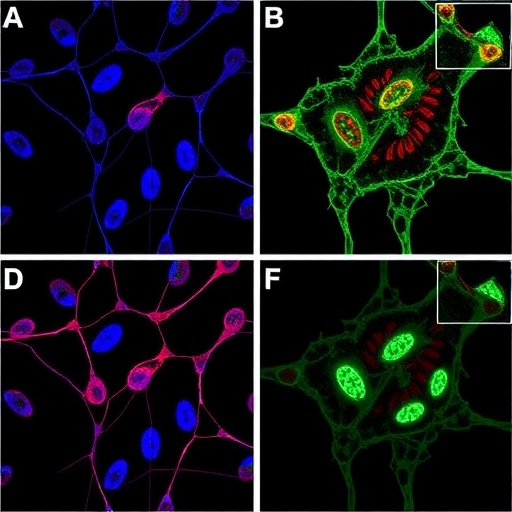
In a groundbreaking achievement that promises to reshape our understanding of cancer biology, a collaborative team of scientists has constructed a comprehensive mutation map for CTNNB1, a pivotal gene intimately involved in tumor development. This meticulous study, recently published in the prestigious journal Nature Genetics, delineates how myriad mutations within a critical segment of CTNNB1 variably influence the oncogenic activity of β-catenin, a key protein orchestrating cellular growth and differentiation.
CTNNB1 encodes β-catenin, a multifunctional protein that regulates not only tissue growth and repair but also cell-to-cell adhesion. Typically, β-catenin levels inside the cell are tightly controlled through a sophisticated degradation mechanism, ensuring its presence precisely when needed. Central to this regulation is a “hotspot” region within CTNNB1, which acts as a molecular tag marking β-catenin for destruction once its role is fulfilled. However, mutations within this hotspot can disrupt this finely tuned balance, precipitating aberrant accumulation of β-catenin and thus promoting unchecked cell proliferation — a defining characteristic of cancer.
Recognizing the enigmatic nature of the diverse mutations present within this hotspot, the researchers embarked upon an ambitious project to systematically evaluate every single possible mutation within this domain. Employing cutting-edge genome-editing technologies in mouse stem cells — chosen for their genomic similarity and highly conserved β-catenin pathways with humans — the researchers generated an unprecedented dataset encompassing all 342 possible single-nucleotide variants. This exhaustive experimental approach allowed them to directly quantify the impact of each mutation on β-catenin’s signaling activity.
Innovatively, the study utilized a fluorescent reporter assay linked to β-catenin signaling, enabling precise measurement of pathway activation in living cells. This methodological ingenuity revealed a broad spectrum of functional consequences across the mutation landscape: while some variants instigated minimal increases in β-catenin activity, others unleashed potent hyperactivation, dramatically amplifying oncogenic signaling. By calibrating these experimental results against genetic data derived from thousands of cancer patients, the team established a robust predictive framework correlating mutation strength with tumor behavior across diverse cancer types.
A particularly striking revelation emerged from dissecting the mutation profiles within hepatocellular carcinoma, a predominant liver cancer. Here, two distinct tumor populations were identified: one harboring CTNNB1 mutations eliciting relatively modest β-catenin activation, and another characterized by mutations generating substantially stronger oncogenic signals. Intriguingly, the tumors with weaker mutations presented higher infiltrates of immune cells, whereas those with potent β-catenin activation exhibited a more immune-evasive microenvironment. This dichotomy not only spotlights the influence of mutation potency on tumor-immune dynamics but also posits mutation strength as a potential proxy for predicting immunotherapy responsiveness.
These insights bear profound implications for precision oncology. The high-resolution mutation map crafted by the researchers offers clinicians a novel tool to anticipate cancer progression trajectories based on tumor-specific CTNNB1 mutations. By enabling nuanced stratification of patients according to β-catenin activation profiles, this work paves the way for tailored therapeutic regimens and fuels the development of targeted drugs designed to modulate β-catenin signaling with enhanced specificity.
Andrew Wood, Principal Investigator at the University of Edinburgh’s Institute of Genetics and Cancer and co-leader of the study, emphasized the transformative potential of the findings: “Our exhaustive analysis is the first to empirically dissect every conceivable mutation within this crucial hotspot. It endows the scientific community with an unprecedented lens through which to examine how β-catenin drives tumorigenesis across a spectrum of cancer types, bolstering efforts to innovate personalized treatment strategies.”
The research was underpinned by strong interdisciplinary collaboration, involving experts from the University of Edinburgh, Leiden University Medical Center, and Koç University. Supported by the Medical Research Council (MRC) and the Biotechnology and Biological Sciences Research Council (BBSRC), the study exemplifies the synergy of experimental precision, computational analytics, and clinical data integration.
By mapping the functional terrain of CTNNB1 mutations in such granular detail, this work addresses a longstanding challenge in cancer genetics — decoding the pathophysiological relevance of specific variants within critical oncogenes. Beyond CTNNB1, it sets a precedent for similar exhaustive mutational explorations in other cancer-related genes, ushering in a new era of comprehensive genotype-to-phenotype correlation.
Moreover, understanding how different mutation-induced β-catenin activities sculpt distinct tumor microenvironments adds a critical dimension to immuno-oncology research. The observed link between mutation strength, immune infiltration, and potential therapeutic responsiveness invites further studies to dissect the mechanistic underpinnings and translate these findings into clinical biomarkers.
Overall, this pioneering research heralds a major leap forward in cancer biology, merging sophisticated genome editing with patient data to unravel the complex interplay between gene mutations and tumor behavior. As the fight against cancer intensifies, tools like this mutation activity map underscore the promise of genomics-driven precision medicine in transforming outcomes for patients worldwide.
Subject of Research: Animals
Article Title: (Not provided)
News Publication Date: 2-Feb-2026
Web References:
https://doi.org/10.1038/s41588-025-02496-5
References:
Wood, A. et al., Nature Genetics, 2026.
Keywords: Health and medicine
Tags: cancer biology advancementscancer gene mutationscell proliferation and cancercellular growth regulationCTNNB1 mutation mapgene editing technologies in cancer researchhotspot mutations in CTNNB1Nature Genetics publicationoncogenic activity of β-catenintissue growth and repairtumor growth mechanismsβ-catenin protein function