Credit: Photo: Nick Romanenko, Rutgers University
Newark, N.J. (Nov. 5, 2018) – Gulf War veterans with unexplained illnesses that cause fatigue, headaches, respiratory disorders and memory problems can improve their balance with a device developed by Rutgers University researchers.
The study is the first to examine how Gulf War illnesses affect veterans' vestibular systems, which are integral for balance, memory and brain blood flow.
The findings are being presented at the annual meeting of the Society for Neuroscience this week.
This prominent condition affecting Gulf War veterans includes a cluster of medically unexplained chronic symptoms that can also include joint pain, indigestion, insomnia, and dizziness, according to the U.S Department of Veterans Affairs, which supported the study. The disorder affects about 25 percent of the 700,000 veterans who served in Operation Desert Storm/Desert Shield in 1990-1991.
"Although it's been more than 25 years since the conflict, we still do not understand the underlying cause of these symptoms and have yet to develop an effective treatment," said lead author Jorge M. Serrador, associate professor in the departments of pharmacology, physiology and neuroscience at Rutgers New Jersey Medical School and a scientist at the New Jersey War Related Illness and Injury Study Center.
The researchers examined vestibular function in 60 veterans who participated in Operation Desert Storm/Shield, of which 54 suffered with Gulf War illnesses and six of whom were healthy — as well as 36 civilians who were of the same age and sex. They found that reduced vestibular function and poor balance appear to be prevalent in veterans with Gulf War Illness.
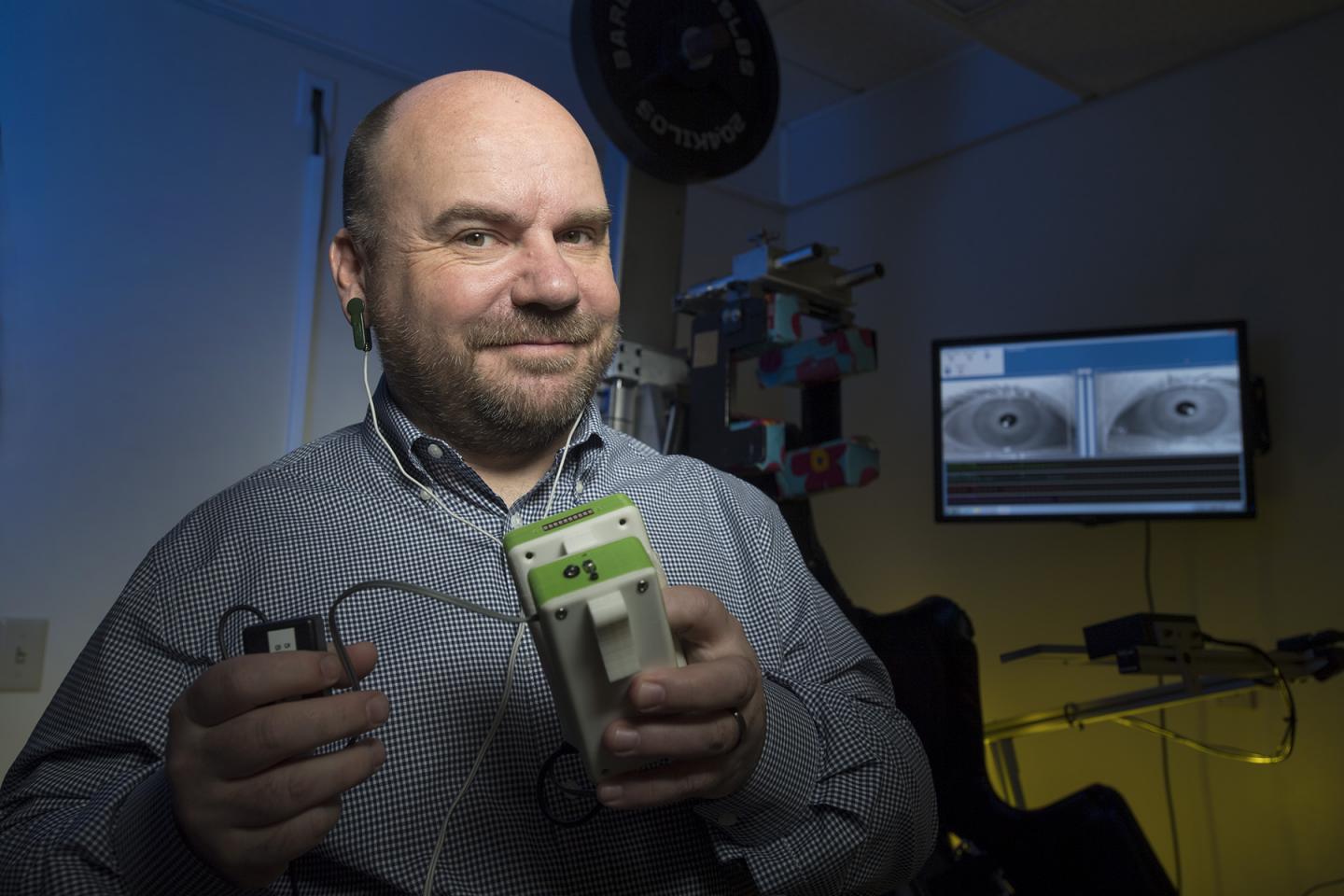
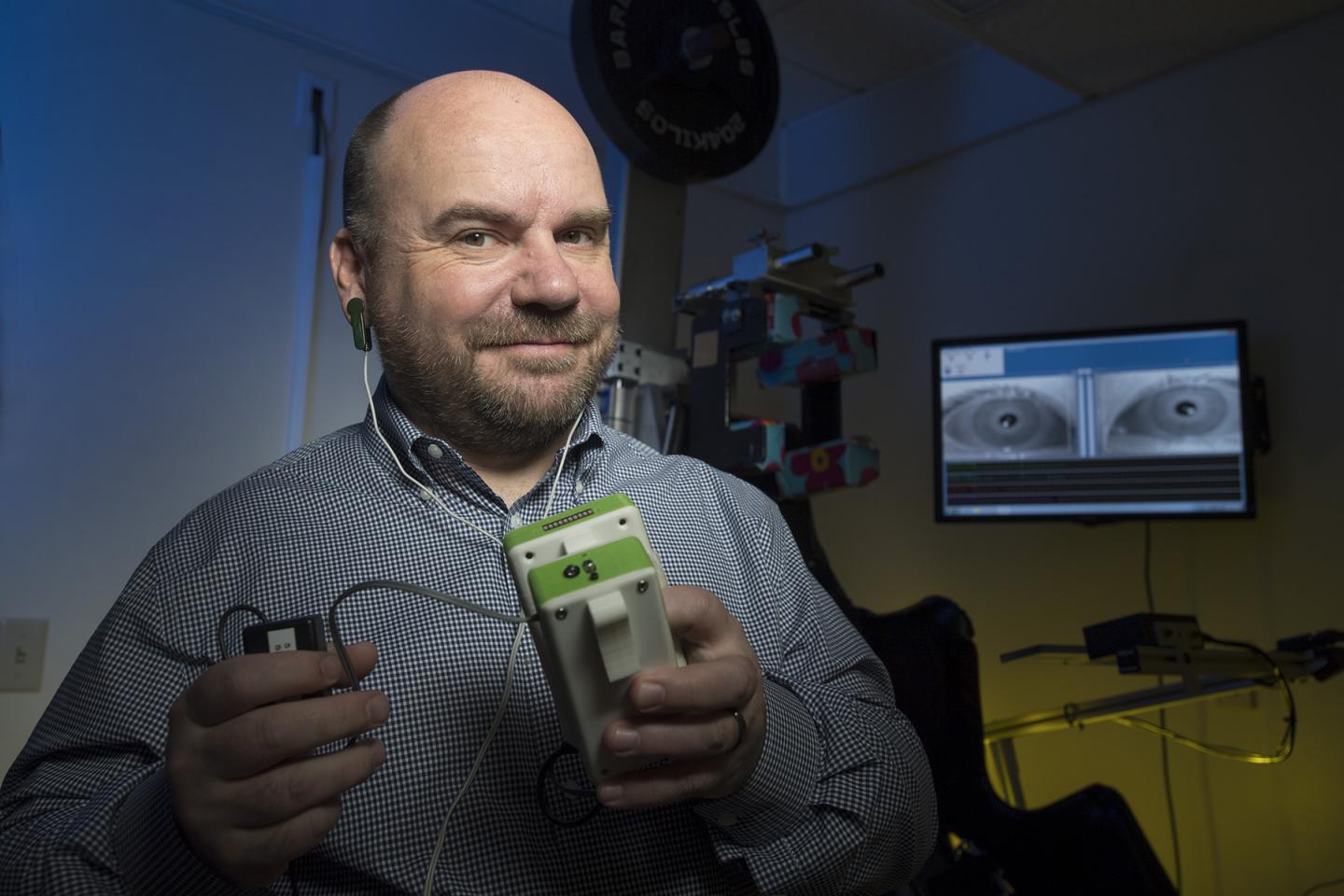
To examine if vestibular function and balance could be improved, the researchers developed an electrical stimulator clipped to the earlobe and attached to a Walkman-size box that generated a low-level, random electrical noise pattern that was imperceptible to the wearer.
"The electrical stimulation added a random noise pattern into the veterans' vestibular systems that travelled through the earlobes into the inner ear, which acts like the body's accelerometer," Serrador said. "This added noise improved balance in 100 percent of the veterans with Gulf War Illness."
The findings suggest that correcting the vestibular system may treat other conditions associated with Gulf War illnesses.
"For these veterans, it's like walking on a balance beam all day," Serrador said. "When they're trying to figure out where they are in space to stay balanced, it's sapping cognitive reserves for other functions like memory."
The researchers are now testing to see how long the effects last after removing the device. They also will try to determine whether using a portable version of the stimulator helps relieve other symptoms of Gulf War illnesses.
Serrador said the technology also could be applied to other populations, such as the elderly who are prone to age-related balance issues.
###
Broadcast interviews: Rutgers Biomedical and Health Sciences has broadcast-quality TV and radio studios available for remote live or taped interviews with Rutgers experts. For more information, contact Neal Buccino [email protected]
ABOUT RBHS
Rutgers Biomedical and Health Sciences (RBHS) takes an integrated approach to educating students, providing clinical care and conducting research, all with the goal of improving human health. Aligned with Rutgers University-New Brunswick, and collaborating university-wide, RBHS includes eight schools, a behavioral health network and four centers and institutes. RBHS offers an outstanding education in medicine, dentistry, pharmacy, public health, nursing, biomedical research and the full spectrum of allied health careers. RBHS clinical and academic facilities are located throughout the state.
Media Contact
Patti Verbanas
[email protected]
848-932-0551
@RutgersU
http://www.rutgers.edu
Original Source
https://news.rutgers.edu/research-news/new-device-improves-balance-veterans-gulf-war-illness/20181026#.W9mccnpKiGR