Credit: University of Pennsylvania
Dentists rely on composite materials to perform restorative procedures, such as filling cavities. Yet these materials, like tooth enamel, can be vulnerable to the growth of plaque, the sticky biofilm that leads to tooth decay.
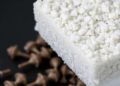
In a new study, researchers from the University of Pennsylvania evaluated a new dental material tethered with an antimicrobial compound that can not only kill bacteria but can also resist biofilm growth. In addition, unlike some drug-infused materials, it is effective with minimal toxicity to the surrounding tissue, as it contains a low dose of the antimicrobial agent that kills only the bacteria that come in contact with it.
"Dental biomaterials such as these," said Geelsu Hwang, research assistant professor in Penn's School of Dental Medicine, "need to achieve two goals: first, they should kill pathogenic microbes effectively, and, second, they need to withstand severe mechanical stress, as happens when we bite and chew. Many products need large amounts of anti-microbial agents to maximize killing efficacy, which can weaken the mechanical properties and be toxic to tissues, but we showed that this material has outstanding mechanical properties and long-lasting antibiofilm activities without cytotoxicity."
Hwang collaborated on the study, which was published in the journal ACS Applied Materials and Interfaces, with Penn Dental Medicine professor Hyun (Michel) Koo and Bernard Koltisko and Xiaoming Jin of Dentsply Sirona.
The newly developed material is comprised of a resin embedded with the antibacterial agent imidazolium. Unlike some traditional biomaterials, which slowly release a drug, this material is non-leachable, thereby only killing microbes that touch it.
"This can reduce the likelihood of antimicrobial resistance," Hwang said.
Hwang and colleagues put the material through its paces, testing its ability to kill microbes, to prevent growth of biofilms and to withstand mechanical stress.
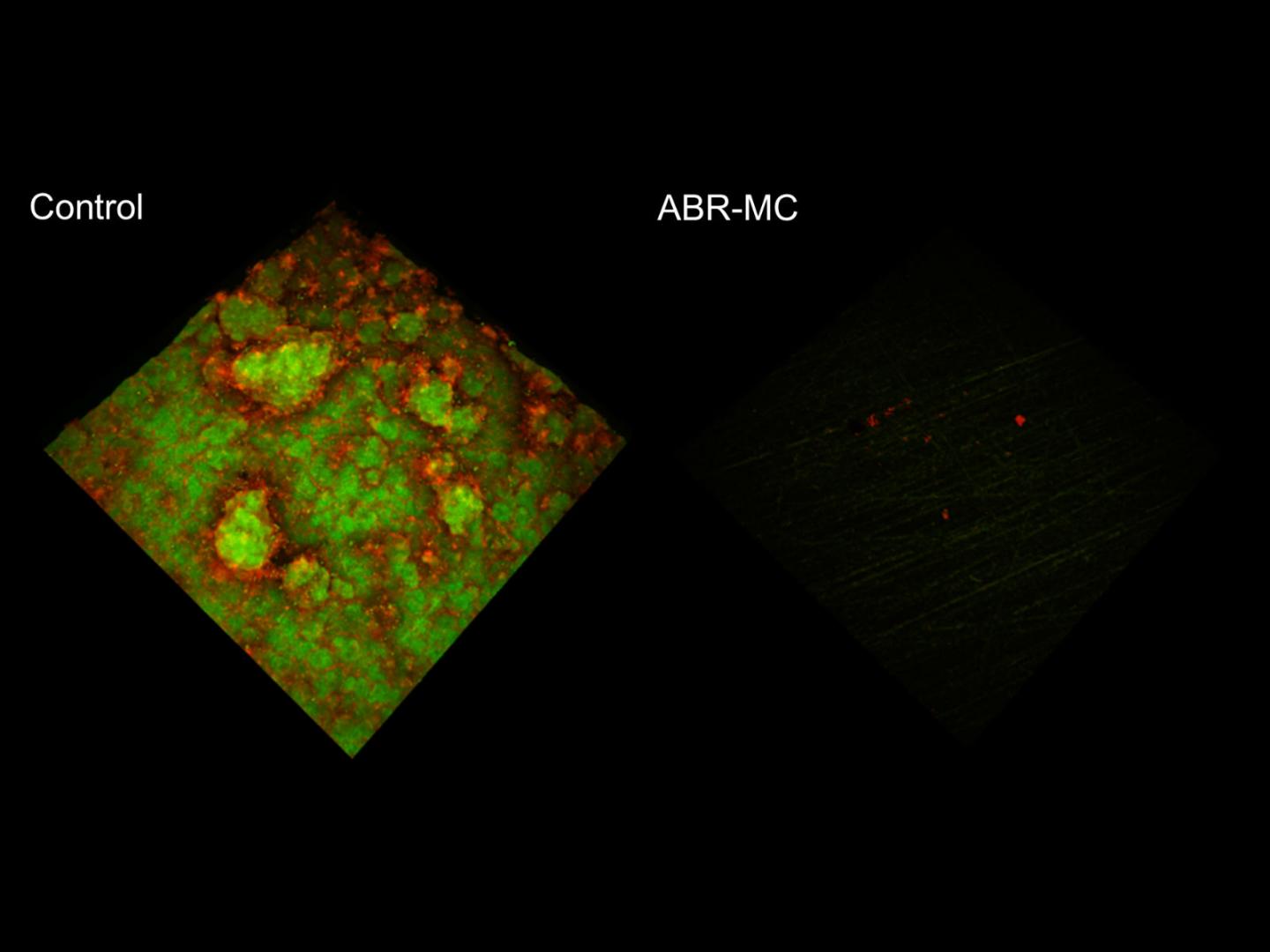
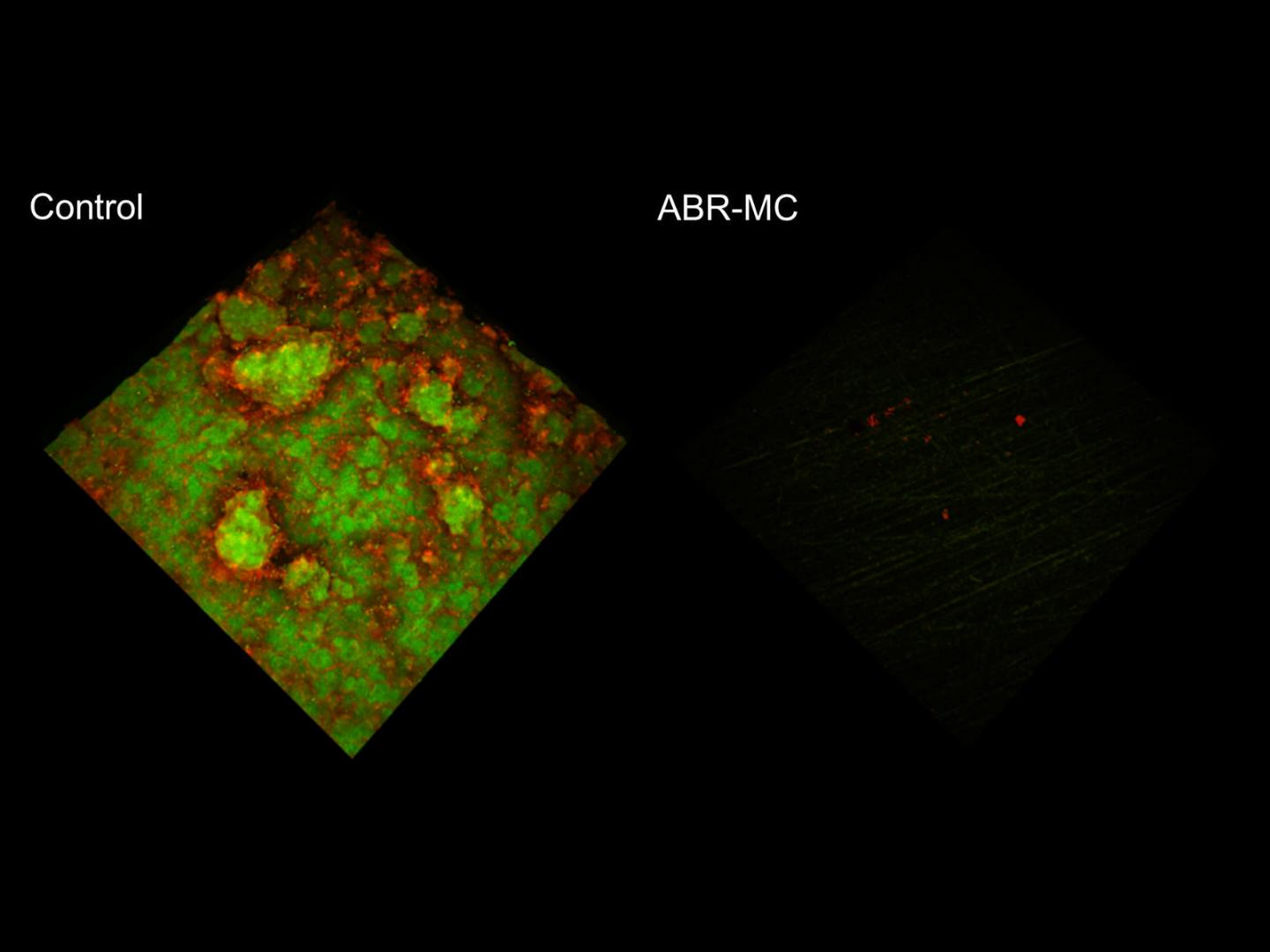
Their results showed it to be effective in killing bacterial cells on contact, severely disrupting the ability of biofilms to grow on its surface. Only negligible amounts of biofilm matrix, the glue that holds clusters of bacteria together, were able to accumulate on the experimental material, in contrast to a control composite material, which showed a steady accumulation of sticky biofilm matrix over time.
Then, the team assessed how much shear force was required to remove the biofilm on the experimental material. While the smallest force removed almost all the biofilm from the experimental material, even a force four times as strong was incapable of removing the biofilm from the control composite material.
"The force equivalent to taking a drink of water could easily remove the biofilm from this material," Hwang said.
Hwang, who has an engineering background, has welcomed the opportunity to apply his unique expertise to problems in the dental field. Looking ahead, he looks forward to further opportunities to develop and test innovative products to preserve and restore oral health.
###
The study was funded by Dentsply Sirona.
Media Contact
Katherine Unger Baillie
[email protected]
215-898-9194
@Penn
http://www.upenn.edu/pennnews
Original Source
https://news.upenn.edu/news/new-dental-material-resists-plaque-and-kills-microbes-penn-dental-team-finds http://dx.doi.org/10.1021/acsami.7b11558