

• HOME
  • NEWS
  • EXPLORE
    • CAREER
      • Companies
      • Jobs
    • EVENTS
    • iGEM
      • News
      • Team
    • PHOTOS
    • VIDEO
    • WIKI
  • BLOG
  • COMMUNITY
    • FACEBOOK
    • INSTAGRAM
    • TWITTER
Wednesday, September 23, 2026
BIOENGINEER.ORG
No Result
View All Result
  • Login
  • HOME
  • NEWS
  • EXPLORE
    • CAREER
      • Companies
      • Jobs
        • Lecturer
        • PhD Studentship
        • Postdoc
        • Research Assistant
    • EVENTS
    • iGEM
      • News
      • Team
    • PHOTOS
    • VIDEO
    • WIKI
  • BLOG
  • COMMUNITY
    • FACEBOOK
    • INSTAGRAM
    • TWITTER
  • HOME
  • NEWS
  • EXPLORE
    • CAREER
      • Companies
      • Jobs
        • Lecturer
        • PhD Studentship
        • Postdoc
        • Research Assistant
    • EVENTS
    • iGEM
      • News
      • Team
    • PHOTOS
    • VIDEO
    • WIKI
  • BLOG
  • COMMUNITY
    • FACEBOOK
    • INSTAGRAM
    • TWITTER
No Result
View All Result
Bioengineer.org
No Result
View All Result
Home NEWS Science News Chemistry

New bacteria-derived hydrogel heals tissue

by
September 6, 2025
in Chemistry
Reading Time: 2 mins read
0
New bacteria-derived hydrogel heals tissue
Share on FacebookShare on TwitterShare on LinkedinShare on RedditShare on Telegram

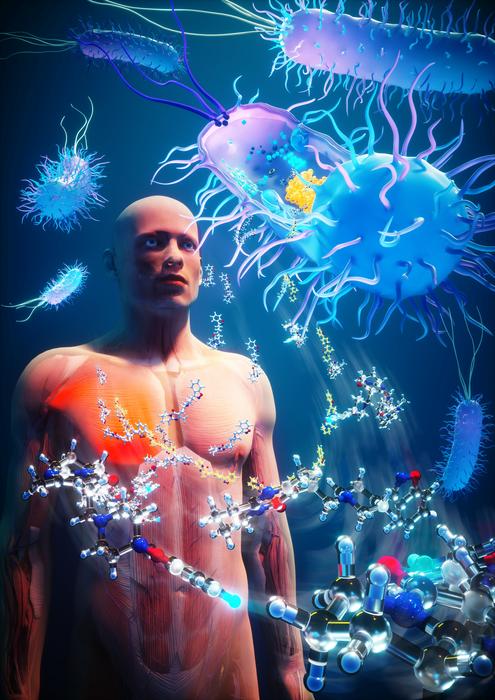
DTU researchers harness the power of bacteria to heal tissues.

DTU researchers harness the power of bacteria to heal tissues.

A research team at the Technical University of Denmark, led by Alireza Dolatshahi-Pirouz, has recently uncovered new ground in tissue engineering and cell therapy by harnessing the healing power of bacteria.

The group harnessed the native bioproduction facilities in bacteria to synthesize a new biopolymer with tissue-healing properties. They used this polymer to manufacture a durable, resilient, and elastic hydrogel for muscle tissue regeneration. The study is published in the journal Bioactive Materials and details a new biopolymer – Pantoan Methacrylate, PAMA for short -with muscle regeneration properties derived from bacteria.

They have implemented this new hydrogel – or “bactogel” – to treat muscle injuries in rats with promising results. The in vivo study showed a significant increase in muscle tissue formation and reduced fibrous tissue. With nearly 100% mechanical recovery, good biocompatibility, and healing capacity, the PAMA bactogel presents a new path in the field.

“This combination of feats is rarely encountered in the field, as most bioactive hydrogels display subpar mechanical properties that do not fit the mechanically demanding milieu of musculoskeletal tissues, such as muscles, says Associate Professor Alireza Dolatshahi-Pirouz from DTU Health Tech.

“I believe that our new results could foster better therapies against musculoskeletal injuries in athletes, the elderly, as well as in wounded soldiers or others involved in accidents giving rise to traumatic muscle injuries,”

With PAMA, the team has shown that they can achieve tissue regeneration in rats without using cells, and they expect much better healing by combining their bactogels with either muscle progenitor cells or stem cells.

“I imagine a future where bacteria-derived polymers or put simply “bactomers” revolutionize the field of regenerative medicine. A future where bacteria in so-called regenerative bacto-baths secrete regenerative bactomers on demand to heal injured tissues in patients,” says Alireza Dolatshahi-Pirouz.


Journal

Bioactive Materials

DOI

10.1016/j.bioactmat.2024.04.006

Article Title

Enhancing volumetric muscle loss (VML) recovery in a rat model using super durable hydrogels derived from bacteria

Article Publication Date

1-Jun-2024

COI Statement

The authors declare that they have no known competing financial interests or personal relationships that could have appeared to influence the work reported in this paper.
Tags: Bacteria-derived hydrogelMuscle tissue engineeringPAMA biopolymerregenerative medicine innovationstissue regeneration
Share12Tweet8Share2ShareShareShare2

Related Posts

New Boron Allotrope Bends Like Metal and Conducts Like a Semiconductor

New Boron Allotrope Bends Like Metal and Conducts Like a Semiconductor

September 23, 2026
Bulky Molecules Keep Rival Defect-Fighters From Cancelling Each Other Out in Perovskite Solar Cells

Bulky Molecules Keep Rival Defect-Fighters From Cancelling Each Other Out in Perovskite Solar Cells

September 23, 2026

Zinc–Cerium Nanocomposite Sensor Offers Rapid Detection of Controversial Yellow Food Dye

September 23, 2026

Seaweed, Seagrass and Phytoplankton Shape the Ocean’s Iodine Cycle, Review Finds

September 23, 2026

POPULAR NEWS

  • How Daily Environmental Swings Shape the Brain: Inside the Day2Day Environment Study

    29 shares
    Share 12 Tweet 7
  • Hidden Mosquito Diversity Surfaces in Mexico’s Celestún Mangrove Reserve

    29 shares
    Share 12 Tweet 7
  • RNA Tagging Machine Behind Endometriosis Blood Vessel Growth Revealed

    29 shares
    Share 12 Tweet 7
  • School Program Boosts Sun-Safety Habits in High-Altitude Andean Teens

    29 shares
    Share 12 Tweet 7

About

We bring you the latest biotechnology news from best research centers and universities around the world. Check our website.

Follow us

Recent News

How Daily Environmental Swings Shape the Brain: Inside the Day2Day Environment Study

Hidden Mosquito Diversity Surfaces in Mexico’s Celestún Mangrove Reserve

RNA Tagging Machine Behind Endometriosis Blood Vessel Growth Revealed

Subscribe to Blog via Email

Enter your email address to subscribe to this blog and receive notifications of new posts by email.

Join 85 other subscribers
  • Contact Us

Bioengineer.org © Copyright 2023 All Rights Reserved.

Welcome Back!

Login to your account below

Forgotten Password?

Retrieve your password

Please enter your username or email address to reset your password.

Log In
No Result
View All Result
  • Homepages
    • Home Page 1
    • Home Page 2
  • News
  • National
  • Business
  • Health
  • Lifestyle
  • Science

Bioengineer.org © Copyright 2023 All Rights Reserved.