• HOME
  • NEWS
  • EXPLORE
    • CAREER
      • Companies
      • Jobs
    • EVENTS
    • iGEM
      • News
      • Team
    • PHOTOS
    • VIDEO
    • WIKI
  • BLOG
  • COMMUNITY
    • FACEBOOK
    • INSTAGRAM
    • TWITTER
Wednesday, May 13, 2026
BIOENGINEER.ORG
No Result
View All Result
  • Login
  • HOME
  • NEWS
  • EXPLORE
    • CAREER
      • Companies
      • Jobs
        • Lecturer
        • PhD Studentship
        • Postdoc
        • Research Assistant
    • EVENTS
    • iGEM
      • News
      • Team
    • PHOTOS
    • VIDEO
    • WIKI
  • BLOG
  • COMMUNITY
    • FACEBOOK
    • INSTAGRAM
    • TWITTER
  • HOME
  • NEWS
  • EXPLORE
    • CAREER
      • Companies
      • Jobs
        • Lecturer
        • PhD Studentship
        • Postdoc
        • Research Assistant
    • EVENTS
    • iGEM
      • News
      • Team
    • PHOTOS
    • VIDEO
    • WIKI
  • BLOG
  • COMMUNITY
    • FACEBOOK
    • INSTAGRAM
    • TWITTER
No Result
View All Result
Bioengineer.org
No Result
View All Result
Home NEWS Science News Biology

New approach uses wild genes to improve biological nitrogen fixation in soybeans

Bioengineer by Bioengineer
August 20, 2020
in Biology
Reading Time: 2 mins read
0
IMAGE
Share on FacebookShare on TwitterShare on LinkedinShare on RedditShare on Telegram

IMAGE

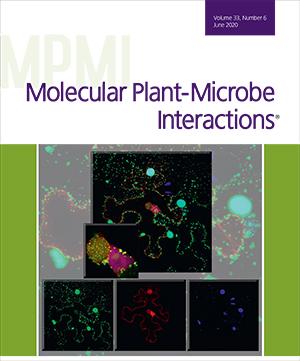
Credit: Thi Nguyet Minh Dao and Svetlana Y. Folimonova.

One of the top four crops grown worldwide, soybean has been an integral part of Chinese agriculture for a long time, having been domesticated more than 6000 years ago. During the domestication process, certain traits are selected that make plants easier to cultivate and cook and other traits can be lost. Wild ancestors of domesticated crops can be important reservoirs of agronomic traits that have been lost. This is especially important when it comes to disease resistance.

A group of scientists in China began a study of wild soybeans to find genetic regions involved with interacting with beneficial microbes that have been lost in domesticated soybeans. This group cultivated soybean lines that included small regions of DNA from their wild ancestors and found that some lines responded differently to different strains of the beneficial bacteria known as Sinorhizobium fredii.

These different responses, the scientists found, were related to whether or not the bacterial strains had fully functional type 3 secretion systems (T3SS), which are used by bacteria to inject protein effectors into plant cells. They followed a dirigent protein named DRR1 and found that it interacted genetically with the bacterial T3SS system to alter the number of nodules a root system forms.

This new genetic approach will help scientists access some of the genetic diversity of soybean ancestors to improve biological nitrogen fixation, an important part of sustainable agriculture, in modern soybean cultivars. For more information, read “RNA Sequencing-Associated Study Identifies GmDRR1 as Positively Regulating the Establishment of Symbiosis in Soybean,” published May 28, 2020 in the MPMI journal.

###

Media Contact
Ashley Bergman Carlin
[email protected]

Related Journal Article

http://dx.doi.org/10.1094/MPMI-01-20-0017-R

Tags: Agricultural Production/EconomicsAgricultureBiologyEcology/EnvironmentFood/Food ScienceGenesGeneticsMolecular BiologyPlant Sciences
Share12Tweet8Share2ShareShareShare2

Related Posts

Cutting-Edge Genomic Techniques Reveal Unexpected Cellular Changes in the Aging Brain — Biology

Cutting-Edge Genomic Techniques Reveal Unexpected Cellular Changes in the Aging Brain

May 12, 2026
USC Researchers Initiate Study on the Most Advanced Lab-Grown Kidney Structures — Biology

USC Researchers Initiate Study on the Most Advanced Lab-Grown Kidney Structures

May 12, 2026

Childbirth in Humans Is Not Uniquely Challenging Among Mammals, New Research Shows

May 12, 2026

From Complexity to Clarity: Unraveling the “Topological Laws” Governing Cell Death

May 11, 2026
Please login to join discussion

POPULAR NEWS

  • Research Indicates Potential Connection Between Prenatal Medication Exposure and Elevated Autism Risk

    842 shares
    Share 337 Tweet 211
  • New Study Reveals Plants Can Detect the Sound of Rain

    728 shares
    Share 290 Tweet 182
  • Salmonella Haem Blocks Macrophages, Boosts Infection

    62 shares
    Share 25 Tweet 16
  • Breastmilk Balances E. coli and Beneficial Bacteria in Infant Gut Microbiomes

    57 shares
    Share 23 Tweet 14

About

We bring you the latest biotechnology news from best research centers and universities around the world. Check our website.

Follow us

Recent News

Enhancing Carbon Capture Efficiency Using Laser-Engineered MOFs!

E-cadherin Loss Drives Tumor Environment in Lobular Cancer

Endothelial SPARC Drives Astrocyte Damage in NMOSD

Subscribe to Blog via Email

Enter your email address to subscribe to this blog and receive notifications of new posts by email.

Join 82 other subscribers
  • Contact Us

Bioengineer.org © Copyright 2023 All Rights Reserved.

Welcome Back!

Login to your account below

Forgotten Password?

Retrieve your password

Please enter your username or email address to reset your password.

Log In
No Result
View All Result
  • Homepages
    • Home Page 1
    • Home Page 2
  • News
  • National
  • Business
  • Health
  • Lifestyle
  • Science

Bioengineer.org © Copyright 2023 All Rights Reserved.