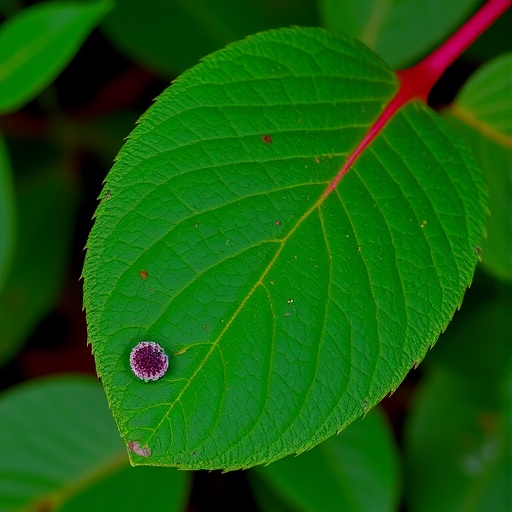
In a significant advancement in microbial research, a newly characterized species of actinomycete, Streptomyces albidocamelliae, has captured the attention of scientists and biologists alike. This novel species has been isolated from the leaves of the Camellia oleifera, commonly known as the oil tea plant, highlighting the potential of utilizing endophytic microbes for biotechnological applications. The findings, documented in the Journal of Antibiotics, present a thorough correction to previous studies, shedding light on the characteristics and applications of S. albidocamelliae.
The actinomycetes, a class of bacteria known for their remarkable ability to produce antibiotics, have long been a focal point in the search for new therapeutic agents. Traditionally found in soil, these microorganisms have continued to surprise researchers by presenting numerous novel compounds with potential medicinal properties. The identification of Streptomyces albidocamelliae as an endophytic species cultivates a promising avenue for the discovery of new bioactive substances, as endophytes are known to engage in a rich symbiotic relationship with their host plants while possessing the unique ability to produce biologically active compounds.
In their study, the researchers meticulously described the isolation and classification processes used to differentiate Streptomyces albidocamelliae from its relatives. By employing various biochemical and molecular techniques, including phylogenetic analysis and morphological assessments, the team was able to confirm the unique genetic lineage of this actinomycete. These methodologies are crucial because accurate identification ensures that potential applications of these microorganisms are well-founded in scientifically validated data.
The biological and ecological roles of S. albidocamelliae are particularly noteworthy. As an endophytic microorganism, it not only resides within the tissues of Camellia oleifera but may also enhance plant health and growth. By synthesizing plant growth-promoting substances and antimicrobial compounds, S. albidocamelliae could be instrumental in protecting its host from pathogens, thereby promoting sustainable agricultural practices. The implications for crop yield and disease resistance are significant, making this bacterium a potential hero in agricultural biotechnology.
The researchers conducted extensive screenings of secondary metabolites produced by S. albidocamelliae. This exploration aimed to unveil any novel antibiotics or bioactive compounds unique to this species. Such discoveries are crucial given the alarming rise of antibiotic resistance, a challenge that currently threatens global health. The search for new molecules resembling traditional antibiotics could arm clinicians with new tools for fighting persistent bacterial infections.
One of the standout features of Streptomyces albidocamelliae is its ability to synthesize a diverse array of bioactive compounds. The initial findings suggest several compound classes, including terpenoids, polyketides, and nonribosomal peptides. These substances have historically employed significant antimicrobial, antifungal, and anticancer properties. By understanding and isolating these compounds, researchers could pave the way for advancements in pharmaceutical sciences, expanding the arsenal of available treatments against various ailments.
Furthermore, the interdisciplinary nature of the research surrounding S. albidocamelliae highlights the vital collaboration between microbiologists, phytochemists, and agricultural scientists. Such cooperative efforts are essential in fully understanding the potential applications of this actinomycete. The synthesis of bioactive compounds from endophytes is encouraged, as these collaborations can lead to innovative solutions for health, agriculture, and environmental sustainability.
Additionally, the environmental significance of S. albidocamelliae cannot be understated. The interaction between this microorganism and Camellia oleifera points to a complex ecosystem where microorganisms contribute to nutrient cycling and plant health. The understanding of these symbiotic relationships reveals the intricate connections within ecosystems, prompting further exploration of microbial diversity and its implications for biodiversity conservation.
While the research was extensive, it is essential to note the need for further studies to fully elucidate the applicability of S. albidocamelliae. Future laboratory and field trials will be critical in assessing the practical applications of its bioactive metabolites. Researchers must also explore the potential to genetically engineer this bacterium or related species to enhance their biosynthetic capabilities, ultimately leading to more robust therapeutic agents.
Part of the appeal of S. albidocamelliae lies in its untapped potential for commercial exploitation in biotechnology. As pharmaceutical companies seek new sources of antimicrobial agents, the natural world continues to hold the key to the next generation of drugs. The identification of this new species emphasizes the necessity for biodiversity and conservation efforts aimed at protecting such vital organisms in their natural habitats.
In an era where environmental pressures and climate change are influencing plant and microbial interactions, understanding the dynamics of such relationships becomes even more crucial. The findings surrounding Streptomyces albidocamelliae serve as a reminder of the invaluable contributions of microorganisms to ecosystems and the need for sustainable interactions between agriculture and nature.
As researchers publish their findings regarding S. albidocamelliae, the scientific community eagerly anticipates the further development of applications that harness this promising microorganism. Whether it serves as a biocontrol agent in agriculture or as a source of new antibiotics, this discovery is undoubtedly a step forward in the fight against antibiotic resistance and the promotion of sustainable agricultural practices.
In conclusion, the characterization of Streptomyces albidocamelliae marks a vital addition to the field of microbiology and biotechnology. This endophytic actinomycete not only enhances our understanding of plant-microbe interactions but also paves the way for future discoveries in drug development and sustainable agricultural innovations. The ongoing research and potential applications of this newly recognized species could have far-reaching implications for health, agriculture, and environmental sustainability.
Subject of Research:
Article Title: Correction: Streptomyces albidocamelliae sp. nov., an endophytic actinomycete isolated from the leaves of Camellia oleifera.
Article References:
Long, PL., Liu, JX., Xiao, Y. et al. Correction: Streptomyces albidocamelliae sp. nov., an endophytic actinomycete isolated from the leaves of Camellia oleifera. J Antibiot (2025). https://doi.org/10.1038/s41429-025-00867-y
Image Credits: AI Generated
DOI:
Keywords:
Tags: actinomycete species discoverybioactive compounds from endophytesbiotechnological applications of actinomycetesCamellia oleifera researchendophytic microbes in biotechnologyisolation and classification of bacteriaJournal of Antibiotics publicationmedicinal properties of actinomycetesmicrobial biodiversity in plantsnovel antibiotic-producing bacteriaphylogenetic analysis in microbiologyStreptomyces albidocamelliae