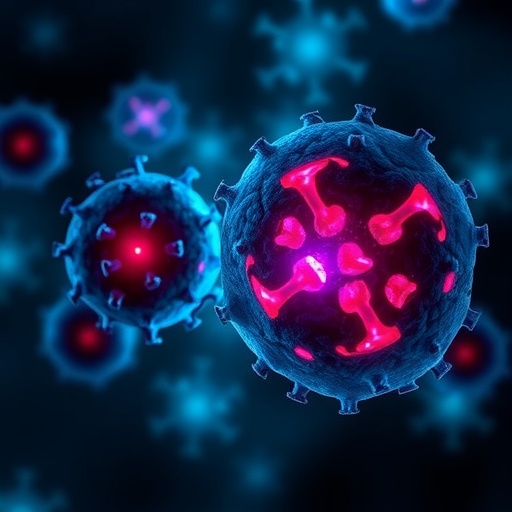
Cancer immunotherapy has gained a hybrid new contender: a living cell engineered by fusing two immune-system specialists into one tumor-hunting unit. In a study published in Nature Immunology, researchers report that they created “syncytial” chimeric antigen receptor macrophages, or S-CAR-Ms, by integrating CAR-engineered macrophages with neutrophils. In mouse models, the fused cells penetrated tumors more effectively than conventional CAR macrophages, attacked cancer through more than one biological route and helped suppress both metastasis and tumor recurrence after a single treatment. The strategy is designed to address several obstacles that have limited macrophage-based immunotherapy, particularly the difficulty of entering solid tumors, the loss of killing activity inside the tumor microenvironment and the ability of cancer cells to evade therapies by reducing the antigen targeted by engineered immune cells. The work remains preclinical, but it illustrates how researchers are trying to build immune cells with complementary capabilities rather than relying on a single therapeutic mechanism.
CAR therapy works by equipping an immune cell with a synthetic receptor that recognizes a chosen molecule on the surface of a cancer cell. The receptor typically contains an antibody-derived binding region, known as a single-chain variable fragment, or scFv, connected to signaling components that activate the engineered cell. In CAR-T-cell therapy, this design enables T cells to identify and kill malignant cells. CAR macrophages use the same broad principle but assign the task to macrophages, immune cells naturally adapted to engulf cellular material through phagocytosis. Once activated, a macrophage can surround a target, internalize it and digest it in an intracellular compartment. Yet solid tumors present a difficult environment for these cells. They may be poorly recruited into the tumor mass, become functionally suppressed after arrival or fail to recognize cancer cells that express only small amounts of the target antigen. A therapy dependent on one receptor-antigen interaction can therefore lose effectiveness when tumors alter or reduce that molecular marker.
The researchers’ solution was to combine the target recognition and engulfment machinery of CAR macrophages with the mobility and destructive chemistry of neutrophils. Neutrophils are among the first immune cells recruited to sites of infection or tissue damage. They respond rapidly to chemical gradients, migrating toward signals released by inflamed or injured tissue. They can also deploy neutrophil extracellular traps, or NETs: web-like structures composed largely of DNA and associated proteins that immobilize threats outside the cell. During this process, and through other antimicrobial responses, neutrophils release reactive oxygen species. These chemically reactive molecules can damage biological structures, although their effects must normally be tightly controlled to avoid harming healthy tissue. By fusing neutrophils with CAR macrophages, the investigators sought to create a single cell-like therapeutic system that could combine directed tumor recognition, active phagocytosis, chemokine-guided movement and neutrophil-derived attack mechanisms. The resulting S-CAR-Ms were not simply macrophages carrying a second drug; they were designed as an integrated cellular platform whose functions could reinforce one another.
A central finding was that the fused cells accumulated in tumors more efficiently than conventional CAR macrophages. The reported explanation is chemokine-driven migration, a process in which immune cells detect concentration gradients formed by signaling proteins released from tumors and surrounding tissues. Neutrophils are highly responsive to these gradients, and their migratory behavior appears to remain functionally important after integration with CAR macrophages. This matters because the number of engineered cells administered to a patient is not the same as the number that reaches the malignant tissue. Solid tumors can contain dense extracellular matrix, abnormal blood vessels, regions of low oxygen and immunosuppressive cells that collectively form a physical and biochemical barrier. A cell that recognizes cancer in a laboratory dish may therefore perform poorly if it cannot reach the tumor or move through it. The enhanced accumulation of S-CAR-Ms suggests that neutrophil properties may help overcome one of the earliest bottlenecks in cell therapy: getting therapeutic cells out of the circulation and into the disease site in sufficient numbers.
Once inside tumors, S-CAR-Ms appeared to exploit a second advantage inherited from their neutrophil component. The release of NETs and reactive oxygen species increased the exposure of phosphatidylserine, or PtdSer, on tumor cells. PtdSer is a phospholipid normally concentrated on the inner surface of the plasma membrane. When a cell is stressed, damaged or undergoing programmed cell death, PtdSer can become exposed on the outer membrane, where it acts as an “eat me” signal for phagocytic cells. Macrophages recognize this signal through receptors and bridging molecules, including the MerTK pathway. The investigators found that the neutrophil-derived activity made more tumor-cell material visibly available to this clearance system. In practical terms, the S-CAR-Ms could identify cancer through their engineered scFv receptor when the selected antigen was present, but they could also recognize and engulf damaged tumor material through the PtdSer–MerTK route. That dual recognition system is important because it reduces dependence on a single molecular label.
The two pathways may also create a self-reinforcing cycle inside the tumor. CAR recognition can bring the engineered macrophage into close contact with an antigen-bearing cancer cell, while neutrophil-derived reactive molecules can injure nearby tumor cells and expose PtdSer. The macrophage can then engulf cellular debris through its natural clearance machinery, even when that debris contains little of the original CAR target. This distinction addresses a major problem in cancer immunotherapy known as antigen escape. Tumors are genetically diverse populations rather than uniform masses. If treatment eliminates cells with abundant target antigen, pre-existing or newly selected variants with low levels of that antigen may survive and repopulate the tumor. A therapy that combines antigen-specific recognition with a broader damage-associated signal could continue to remove cells that would otherwise slip past the CAR receptor. The study reports that S-CAR-M treatment triggered antigen spreading, meaning that the immune response expanded from the original targeted antigen to additional tumor-associated targets released or revealed as cancer cells were destroyed. This process could make the attack less vulnerable to the tumor’s molecular evolution.
The researchers tested the approach in both syngeneic and xenograft mouse models, two experimental systems that answer different questions. Syngeneic models use tumor cells and immune cells from genetically compatible animals, allowing investigators to study treatment in the presence of an intact immune system. Xenograft models implant human or otherwise foreign tumor cells into mice, often in settings designed to permit tumor growth despite immune incompatibility. Across these models, the study reports that a single dose of S-CAR-Ms reduced tumor burden, limited the spread of cancer to distant sites and helped prevent recurrence. Those findings are particularly notable because recurrent disease and metastasis are responsible for much of cancer’s lethality, while many experimental treatments show their strongest effects only against established primary tumors. However, the mouse results cannot yet establish whether the cells will behave similarly in people. Human tumors vary widely in their chemokine signals, antigen expression and tissue architecture, and immune-cell fusion products must also be manufactured consistently and tested for safety.
The design nevertheless highlights why solid tumors have remained a difficult frontier for engineered-cell therapy. In blood cancers, therapeutic cells can circulate through a relatively accessible compartment and encounter malignant cells directly. Solid tumors are more like hostile ecosystems, with abnormal vasculature, low nutrient and oxygen levels, high interstitial pressure and suppressive signals that can blunt immune function. Macrophages are naturally abundant in many tumors, but tumor-associated macrophages are often reprogrammed into states that support cancer growth, tissue remodeling or immune suppression. Engineering them with a CAR can redirect their recognition, but it does not automatically solve problems of trafficking or local activity. Neutrophils offer a different set of biological tools, yet their inflammatory molecules can also cause collateral tissue injury if unleashed without adequate control. The therapeutic promise of S-CAR-Ms therefore depends not only on their ability to kill tumor cells, but also on whether their activity can remain localized, whether they persist for an appropriate period and whether their manufacture avoids unwanted activation or inconsistent cell states.
The next steps will require detailed safety and translational studies before the approach can be considered for patients. Scientists will need to determine how the fused cells are produced, how stable the fusion state remains, how long the cells survive after infusion and whether they can be controlled or eliminated if severe inflammation develops. The balance between tumor-damaging reactive oxygen species and injury to healthy tissue will be especially important. Researchers will also need to test whether the method works across different cancer types and target antigens, and whether the chemokine signals that attract neutrophil-integrated cells are present in human tumors at useful levels. Even with those questions unresolved, the study offers a striking example of immune engineering moving beyond the idea of giving one cell one receptor and one job. By combining receptor-guided recognition, neutrophil-like migration and oxidative damage with macrophage-mediated clearance and antigen spreading, S-CAR-Ms are intended to confront cancer as a moving, heterogeneous target. In mice, that integrated strategy produced a broader response than conventional CAR macrophages; whether it can translate into a safe treatment for solid tumors will determine the significance of the advance.
Subject of Research: Neutrophil-integrated syncytial chimeric antigen receptor macrophages for cancer immunotherapy
Article Title: Neutrophil-integrated syncytial CAR macrophage for cancer immunotherapy
Article References: Tian, T., Zhao, S., Tian, T. et al. “Neutrophil-integrated syncytial CAR macrophage for cancer immunotherapy.” Nature Immunology (2026). https://doi.org/10.1038/s41590-026-02615-2
Image Credits: AI Generated
DOI: 10.1038/s41590-026-02615-2
Keywords: cancer immunotherapy, CAR macrophages, neutrophils, solid tumors, phagocytosis, antigen escape, antigen spreading, neutrophil extracellular traps
Tags: cancer immunotherapyengineered immune cellsmacrophage-based therapymetastasis suppressionmulti-mechanism immune attackNeutrophil-integrated CAR macrophagesneutrophil-macrophage fusionpreclinical cancer treatmentsolid tumor immunotherapysyncytial CAR macrophagestumor penetrationTumor recurrence prevention