

• HOME
  • NEWS
  • EXPLORE
    • CAREER
      • Companies
      • Jobs
    • EVENTS
    • iGEM
      • News
      • Team
    • PHOTOS
    • VIDEO
    • WIKI
  • BLOG
  • COMMUNITY
    • FACEBOOK
    • INSTAGRAM
    • TWITTER
Wednesday, September 2, 2026
BIOENGINEER.ORG
No Result
View All Result
  • Login
  • HOME
  • NEWS
  • EXPLORE
    • CAREER
      • Companies
      • Jobs
        • Lecturer
        • PhD Studentship
        • Postdoc
        • Research Assistant
    • EVENTS
    • iGEM
      • News
      • Team
    • PHOTOS
    • VIDEO
    • WIKI
  • BLOG
  • COMMUNITY
    • FACEBOOK
    • INSTAGRAM
    • TWITTER
  • HOME
  • NEWS
  • EXPLORE
    • CAREER
      • Companies
      • Jobs
        • Lecturer
        • PhD Studentship
        • Postdoc
        • Research Assistant
    • EVENTS
    • iGEM
      • News
      • Team
    • PHOTOS
    • VIDEO
    • WIKI
  • BLOG
  • COMMUNITY
    • FACEBOOK
    • INSTAGRAM
    • TWITTER
No Result
View All Result
Bioengineer.org
No Result
View All Result
Home NEWS Science News Biology

Neutron tomography: Insights into the interior of teeth, root balls, batteries, and fuel cells

Bioengineer by Bioengineer
June 5, 2018
in Biology
Reading Time: 2 mins read
0
Share on FacebookShare on TwitterShare on LinkedinShare on RedditShare on Telegram
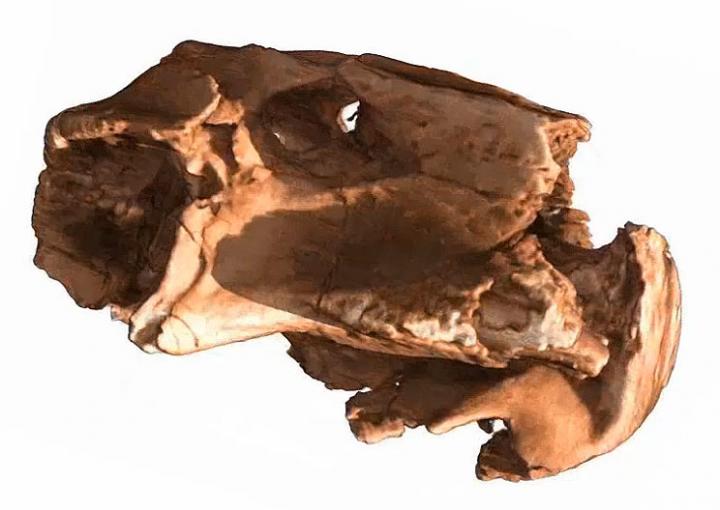
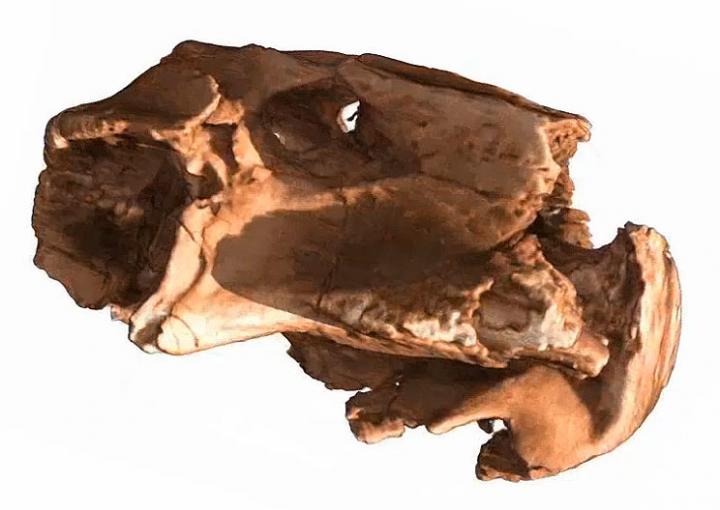
IMAGE

Credit: MfN Berlin

Neutrons can penetrate deep into a sample without destroying it. In addition, neutrons can also distinguish between light elements such as hydrogen, lithium and substances containing hydrogen. Because neutrons themselves have a magnetic moment, they react to the smallest magnetic characteristics inside the material. This makes them a versatile and powerful tool for materials research. 2D or 3D images, called neutron tomographs, can be calculated from the absorption of the neutrons in the sample. A world-renowned team headed by Dr. Nikolay Kardjilov and Dr. Ingo Manke is working with BER II, the neutron source at HZB, to constantly expand and improve of neutron tomography methods.

In their review paper, the authors describe the latest improvements in neutron imaging and present outstanding applications. Improvements in recent years have extended the spatial resolution down into the micrometer range. This is more than ten times better than with typical medical x-ray tomography. Faster images are also possible now, which makes observing processes in materials feasible, such as the "in operando" measurements of a fuel cell during its actual operation that shows precisely how the water is distributed in it. This provides important information for optimising the design of the cell.

Applications range from observing the transport of lithium ions in batteries and strength analyses of industrial components, to examinations of teeth, bones, and the roots of plants, to non-destructive analyses of historical objects such as old swords and knights' armour in order to obtain information on historical manufacturing methods.

"Neutron tomography is extremely versatile. We are working on further improvements and hope that this method, which is in great demand, will also be available in modern spallation sources in the future", says Nikolay Kardjilov.

###

Media Contact

Antonia Roetger
[email protected]
@HZBde

http://www.helmholtz-berlin.de

Original Source

http://helmholtz-berlin.de/pubbin/news_seite?nid=14831&sprache=en&typoid=1 http://dx.doi.org/10.1016/j.mattod.2018.03.001

Share12Tweet8Share2ShareShareShare2

Related Posts

Methylation puts parasites in motion

Methylation puts parasites in motion

August 31, 2026
Desiccation promotes DNA damage and rifampin resistance in Mycobacterium tuberculosis

Desiccation promotes DNA damage and rifampin resistance in Mycobacterium tuberculosis

August 31, 2026

Gastrointestinal Parasitism in Cattle and Water Buffaloes in Pakistan: Prevalence and Associated Risk Factors

August 31, 2026

Development of HPLC–PDA method for steviol glycosides analysis in food matrices

August 31, 2026
Please login to join discussion

POPULAR NEWS

  • β-Sitosterol from Ipomoea carnea Jacq. As a promising anti-inflammatory agent: Evidence from in silico modeling and in vitro validation

    29 shares
    Share 12 Tweet 7
  • Design, fabrication and characterization of a wearable Fiber Bragg grating sensor for cardiorespiratory monitoring using finger plethysmography

    29 shares
    Share 12 Tweet 7
  • KAIST opens the era of industrial-scale microbial foods, proposing growth strategies for the next-generation protein market

    29 shares
    Share 12 Tweet 7
  • Virologist awarded $2 million NIH grant to investigate how virus-infected cells live and die

    29 shares
    Share 12 Tweet 7

About

We bring you the latest biotechnology news from best research centers and universities around the world. Check our website.

Follow us

Recent News

β-Sitosterol from Ipomoea carnea Jacq. As a promising anti-inflammatory agent: Evidence from in silico modeling and in vitro validation

Design, fabrication and characterization of a wearable Fiber Bragg grating sensor for cardiorespiratory monitoring using finger plethysmography

KAIST opens the era of industrial-scale microbial foods, proposing growth strategies for the next-generation protein market

Subscribe to Blog via Email

Success! An email was just sent to confirm your subscription. Please find the email now and click 'Confirm' to start subscribing.

Join 85 other subscribers
  • Contact Us

Bioengineer.org © Copyright 2023 All Rights Reserved.

Welcome Back!

Login to your account below

Forgotten Password?

Retrieve your password

Please enter your username or email address to reset your password.

Log In
No Result
View All Result
  • Homepages
    • Home Page 1
    • Home Page 2
  • News
  • National
  • Business
  • Health
  • Lifestyle
  • Science

Bioengineer.org © Copyright 2023 All Rights Reserved.