• HOME
  • NEWS
  • EXPLORE
    • CAREER
      • Companies
      • Jobs
    • EVENTS
    • iGEM
      • News
      • Team
    • PHOTOS
    • VIDEO
    • WIKI
  • BLOG
  • COMMUNITY
    • FACEBOOK
    • INSTAGRAM
    • TWITTER
Thursday, June 25, 2026
BIOENGINEER.ORG
No Result
View All Result
  • Login
  • HOME
  • NEWS
  • EXPLORE
    • CAREER
      • Companies
      • Jobs
        • Lecturer
        • PhD Studentship
        • Postdoc
        • Research Assistant
    • EVENTS
    • iGEM
      • News
      • Team
    • PHOTOS
    • VIDEO
    • WIKI
  • BLOG
  • COMMUNITY
    • FACEBOOK
    • INSTAGRAM
    • TWITTER
  • HOME
  • NEWS
  • EXPLORE
    • CAREER
      • Companies
      • Jobs
        • Lecturer
        • PhD Studentship
        • Postdoc
        • Research Assistant
    • EVENTS
    • iGEM
      • News
      • Team
    • PHOTOS
    • VIDEO
    • WIKI
  • BLOG
  • COMMUNITY
    • FACEBOOK
    • INSTAGRAM
    • TWITTER
No Result
View All Result
Bioengineer.org
No Result
View All Result
Home NEWS Science News

Nematode resistance in soybeans beneficial even at low rates of infestation

Bioengineer by Bioengineer
February 23, 2017
in Science News
Reading Time: 2 mins read
0
Share on FacebookShare on TwitterShare on LinkedinShare on RedditShare on Telegram
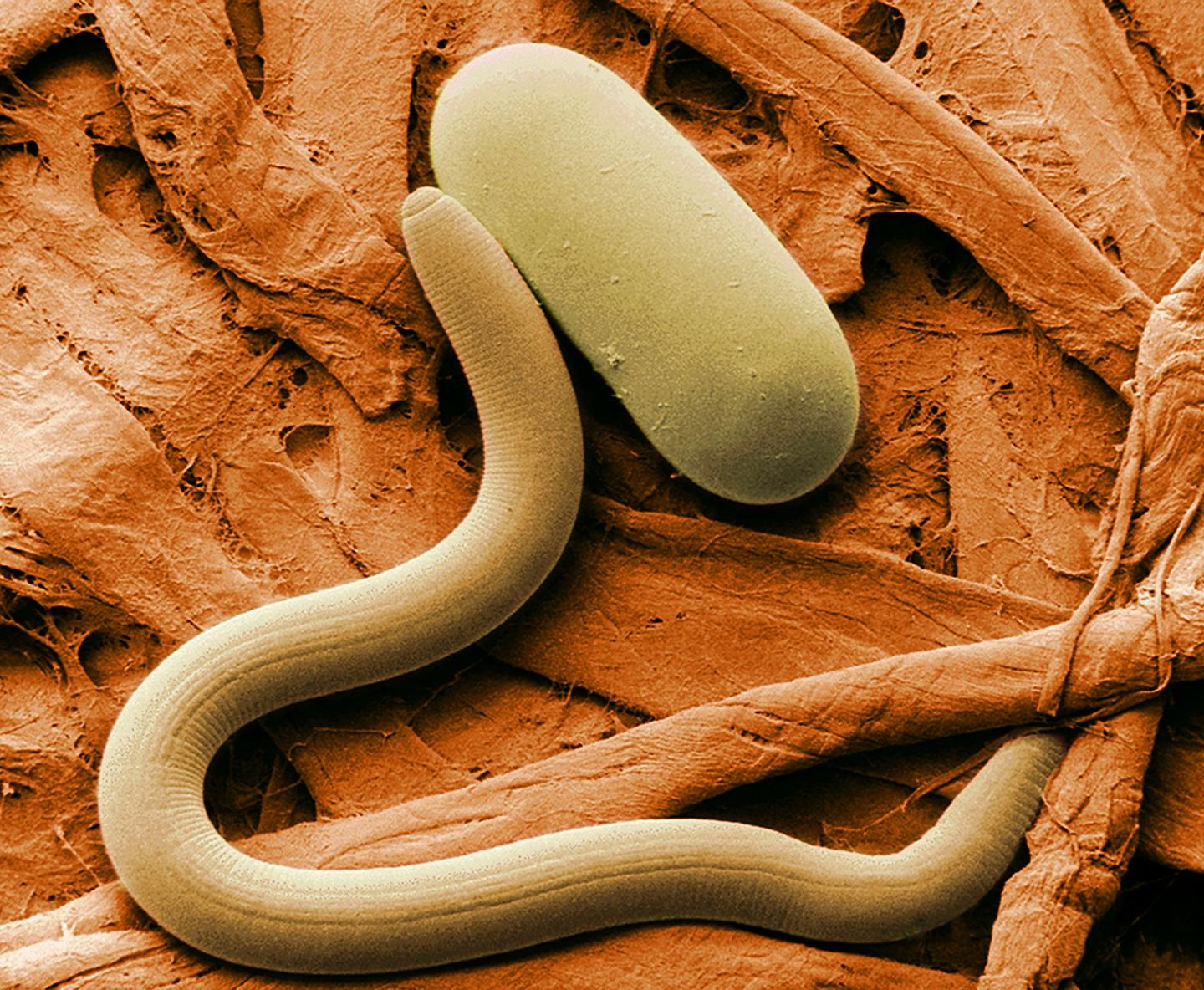
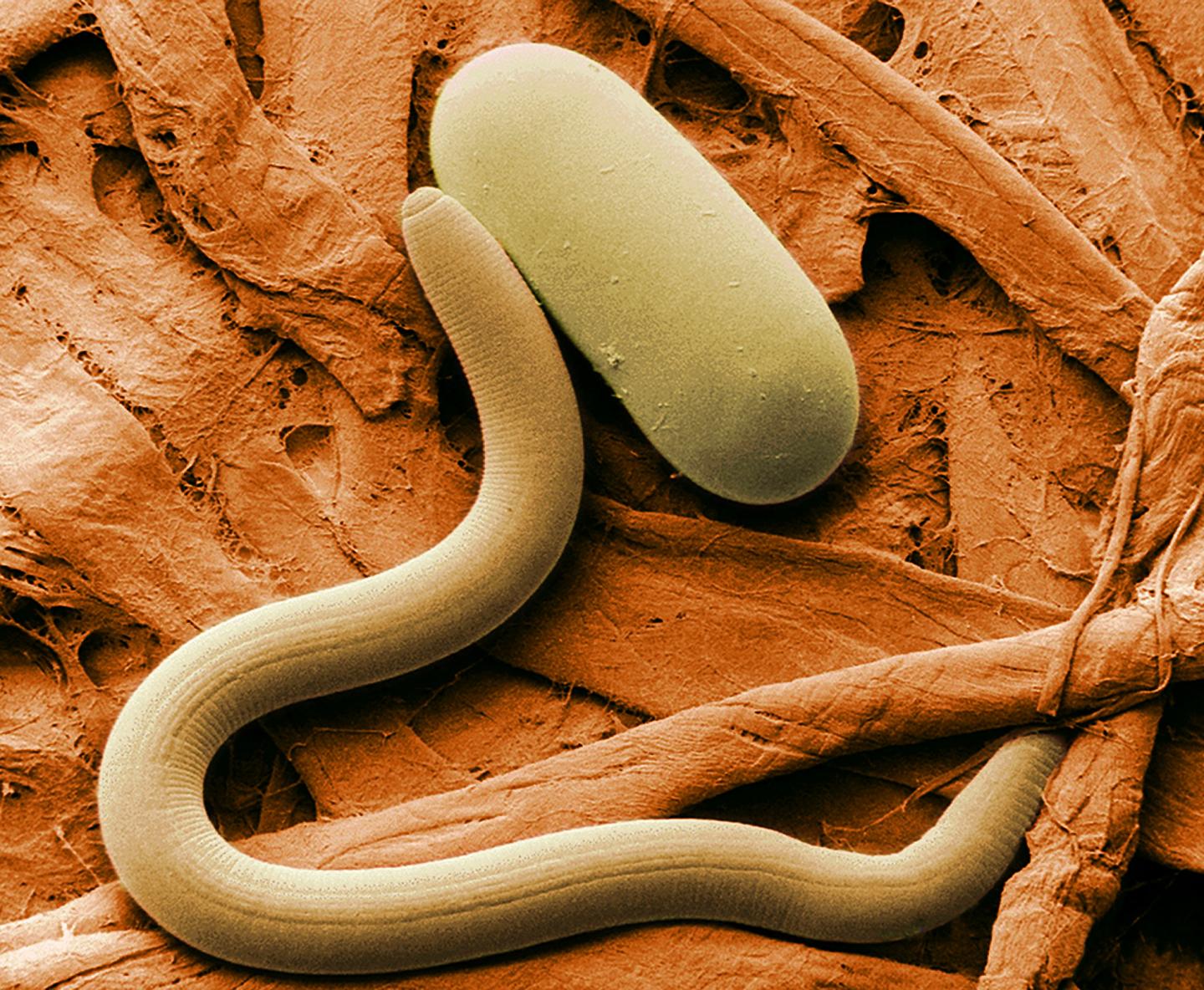
IMAGE

Credit: USDA-ARS

URBANA, Ill. – Each spring, tiny roundworms hatch and wriggle over to the nearest soybean root to feed. Before farmers are even aware of the belowground infestation, the soybean cyst nematode silently begins to wreak havoc on soybean yield.

Fortunately, breeders have identified soybean varieties with genetic resistance to the nematodes and have used them to create new resistant varieties. As you might expect, resistant varieties yield more than susceptible ones when SCN is in the soil. But, until now, it wasn't clear whether that yield advantage held up at low SCN infestation rates.

"The University of Illinois has been organizing a regional testing program of university-developed experimental soybean lines through funding from the United Soybean Board. In the last decade, we have collected data on agronomic performance, including yield, but also data on the resistance of the lines as well as on SCN pressure in the field. We've built up a massive dataset from these tests," says University of Illinois soybean breeder Brian Diers.

By looking at 11 years of data from 408 sites around the Midwest, the researchers found that there was a yield advantage for SCN resistance even at low infestation levels–as low as 20 eggs per 100 cubic centimeters of soil. In environments with no SCN infestation, the team saw evidence of yield drag, where resistant varieties yielded slightly less than susceptible ones.

"But most fields in the Midwest do have at least some infestation," Diers says. "So, in most cases, there's little justification in planting susceptible varieties to avoid that potential yield drag."

The most common source of SCN resistance is from a soybean accession known as PI 88788. It is well known that SCN is increasing in its ability to overcome 88788-resistance throughout the Midwest. The researchers wanted to find out if varieties with 88788-resistance are still able to produce high yields despite mounting pressure from nematodes.

Using the same large dataset, the researchers found that those varieties still provide at least enough moderate resistance to produce good yields. "For me, it's a message to the soybean community that the sky hasn't fallen, that 88788-resistance is, on average, working well in most fields," Diers says.

Diers cautions that other sources of resistance, such as Peking or 437654, are better choices in fields where SCN is able to overcome 88788-resistance at a high level. However, he also notes that those varieties are harder to find.

"Farmers should rotate soybeans with a non-host crop such as corn, and also, if possible, with soybean varieties that have SCN resistance from alternative sources," Diers suggests.

The article, "Impact of soybean cyst nematode resistance on soybean yield," is published in Crop Science. The research was supported by the United Soybean Board.

###

Media Contact

Lauren Quinn
[email protected]
217-300-2435
@ACESIllinois

http://aces.illinois.edu/

############

Story Source: Materials provided by Scienmag

Share12Tweet8Share2ShareShareShare2

Related Posts

FDA Approves New Treatment for HR+, HER2+ Advanced Breast Cancer Following Promising Results from the PATINA Trial by Alliance Foundation

June 25, 2026

New Study Uncovers Key Factors Driving Water Chemistry in Nanoscale Environments

June 25, 2026

Post-COVID Surge: Obesity Inequalities in England Widen, with Sharpest Rise Among Young Adults

June 25, 2026

Scientists Attack Soybean Cyst Nematode by Starving Its Food Source

June 25, 2026
Please login to join discussion

POPULAR NEWS

  • Saying Goodbye to PGY-6: Pediatric Fellowship Realities

    103 shares
    Share 41 Tweet 26
  • Multi-Hospital Study Reveals Long Covid Burden Is Twice as High as Current Estimates

    92 shares
    Share 36 Tweet 23
  • Detection of EDCs in Breast Milk and Infant Urine Up to Six Months Highlights Early Exposure Risks

    77 shares
    Share 31 Tweet 19
  • New Drug Candidate Developed at McMaster Shows Potential for Treating Brain Cancer

    58 shares
    Share 23 Tweet 15

About

We bring you the latest biotechnology news from best research centers and universities around the world. Check our website.

Follow us

Recent News

FDA Approves New Treatment for HR+, HER2+ Advanced Breast Cancer Following Promising Results from the PATINA Trial by Alliance Foundation

New Study Uncovers Key Factors Driving Water Chemistry in Nanoscale Environments

Post-COVID Surge: Obesity Inequalities in England Widen, with Sharpest Rise Among Young Adults

Subscribe to Blog via Email

Enter your email address to subscribe to this blog and receive notifications of new posts by email.

Join 82 other subscribers
  • Contact Us

Bioengineer.org © Copyright 2023 All Rights Reserved.

Welcome Back!

Login to your account below

Forgotten Password?

Retrieve your password

Please enter your username or email address to reset your password.

Log In
No Result
View All Result
  • Homepages
    • Home Page 1
    • Home Page 2
  • News
  • National
  • Business
  • Health
  • Lifestyle
  • Science

Bioengineer.org © Copyright 2023 All Rights Reserved.