A comprehensive pharmacological review published in Discover Chemistry synthesizes global evidence on the capacity of natural bioactive compounds and circulating human proteins to neutralize destructive snake venom toxins. The synthesis investigates an array of plant secondary metabolites, including flavonoids, tannins, coumestans, terpenes, alkaloids, and phenolic acids, alongside endogenous macromolecules such as serum albumin and tissue inhibitors of metalloproteinases. According to the analysis, these diverse molecular structures provide multi-target counteractions against primary venom components through direct active-site binding, catalytic metal chelation, structural precipitation, and secondary anti-inflammatory cascades. While conventional antivenoms remain the cornerstone of acute clinical care, their therapeutic reach is frequently restricted by high production expenses, narrow species specificity, stringent cold-chain demands, and an inability to halt local tissue necrosis. By mapping preclinical evidence across biochemical assays, computational simulations, and animal envenomation models, the authors examine whether natural molecules can bridge long-standing therapeutic gaps as independent field treatments or adjunctive boosters.
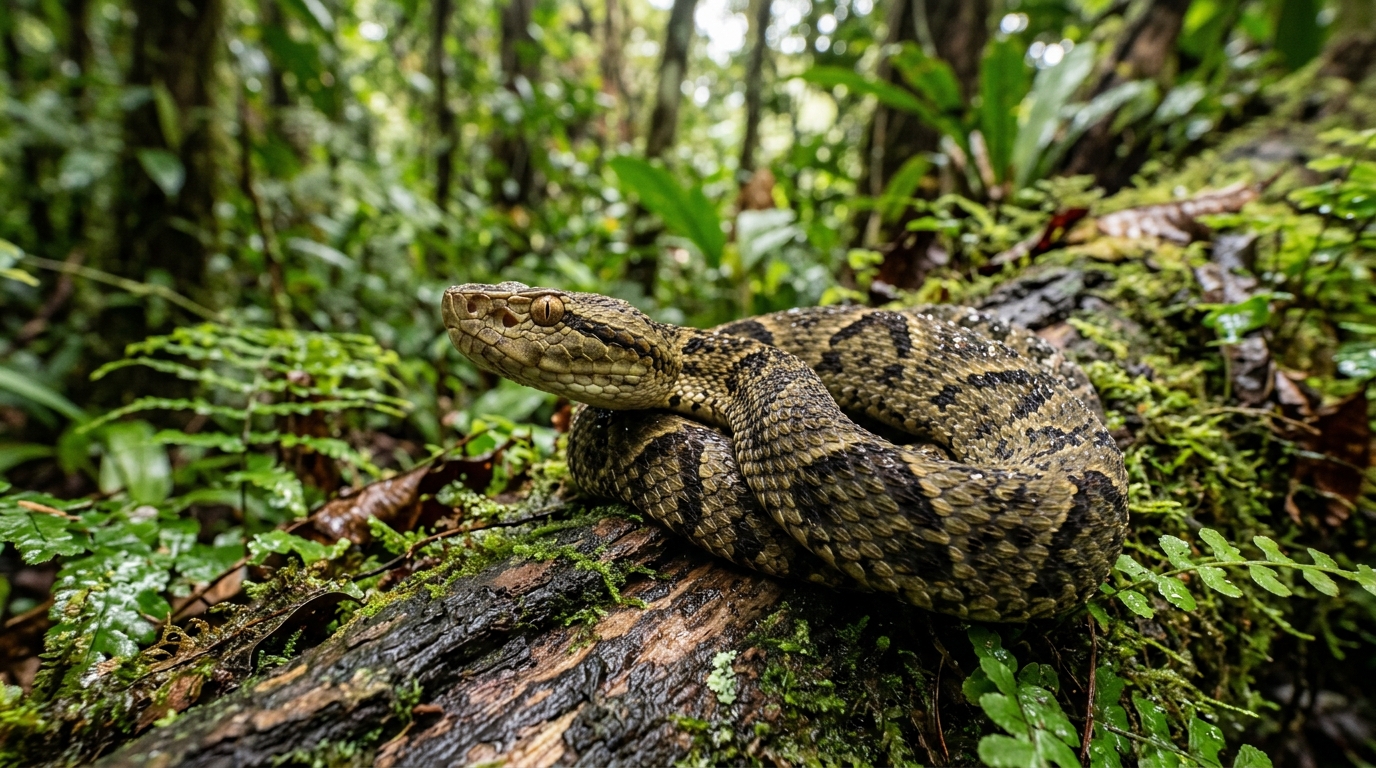
The urgent demand for alternative snakebite therapeutics stems from a severe, long-standing public health crisis recognized by the World Health Organization as a Category A neglected tropical disease. Globally, approximately 5.4 million snakebite incidents occur every year, resulting in an estimated 1.8 to 2.7 million clinical envenomations and between 81,000 and 138,000 fatalities. Sub-Saharan Africa alone records up to 500,000 documented cases annually, while India experiences the highest national mortality, with approximately 58,000 deaths per year between 2000 and 2019. In South America, particularly within the Brazilian Amazon, pit vipers belonging to the Bothrops genus, led by Bothrops atrox, account for nearly 90 percent of recorded bites, inducing catastrophic local proteolytic degradation, severe hemorrhage, and rapid coagulopathies. Despite the World Health Organization setting a strategic milestone to reduce snakebite-induced mortality and physical disability by 50 percent by 2030, severe deficiencies in therapy access persist in impoverished rural populations where venomous encounters occur most frequently.
Standard clinical protocols rely almost exclusively on animal-derived immunoglobulins produced through the hyperimmunization of equines or ovines, yet this century-old biomanufacturing platform suffers from notable physiological and logistical bottlenecks. Heterologous immunoglobulins pose pronounced immunological hazards, with early-onset anaphylactic or pyrogenic reactions occurring within the first hour of infusion and late-stage type III hypersensitivity, known as serum sickness, developing 5 to 14 days later. Furthermore, conventional antibody therapies perform poorly against low molecular mass venom components below 15 to 20 kilodaltons, such as three-finger toxins, disintegrins, and low molecular weight phospholipases, which rapidly extravasate and diffuse through local tissues before bulky antibodies can reach them. Manufacturing requirements also enforce continuous refrigeration between 2 and 8 degrees Celsius, creating severe logistics barriers in remote tropical territories where power infrastructure is intermittent. These operational and financial vulnerabilities leave agrarian workers economically incapacitated and highlight the structural necessity for thermostable, broad-spectrum pharmacological alternatives.
Natural polyphenolic compounds demonstrate pronounced capacity to suppress dominant enzymatic venom families responsible for immediate tissue damage and systemic morbidity. Flavonoids, including quercetin, execute broad-spectrum antiophidic action by establishing competitive active-site occupancy within phospholipase A2 and metalloproteinase catalytic pockets, while butein isolated from Butea monosperma effectively neutralizes Daboxin P, a destructive phospholipase derived from Daboia russelii venom. Tannins execute venom suppression through non-specific macromolecular complexation, forming extensive hydrogen bonding networks and hydrophobic interactions that cross-link foreign proteins into insoluble aggregates. Condensed-tannin-rich fractions derived from Plathymenia reticulata have demonstrated potent neutralization against Bothrops atrox venom. Similarly, gallic acid inhibits phospholipase activity with half-maximal inhibitory concentrations ranging between 25 and 50 micromolar, using its phenolic hydroxyl rings to coordinate catalytic residues while chelating active-site zinc ions in venom metalloproteinases to halt capillary destruction and microvascular bleeding.
The review identifies an extensive panel of related phenolic acids that display direct, dose-dependent toxin neutralization through specific chemical configurations. Ellagic acid, a dimeric derivative of gallic acid, chelates catalytic zinc atoms within snake venom metalloproteinases with half-maximal inhibitory concentrations between 15 and 30 micromolar while driving protein precipitation. Caffeic acid inhibits phospholipase enzymes at concentrations between 40 and 60 micromolar, whereas ferulic acid engages the hydrophobic substrate-binding pockets of venom enzymes with half-maximal inhibitory concentrations of 50 to 80 micromolar. Rosmarinic acid binds catalytic clefts through multi-point hydrogen bonds to suppress enzyme activity at 30 to 50 micromolar concentrations. Chlorogenic acid, an ester linking caffeic and quinic acid, exhibits notable potency against the 14-kilodalton Daboxin P phospholipase with an experimentally measured half-maximal inhibitory concentration of 28.248 micromolar. The structural presence of ortho-dihydroxy arrangements substantially heightens metal chelation, whereas carboxylate moieties electrostatically engage positively charged surface residues across snake enzymes.
A critical advantage of natural compounds over traditional immunoglobulins lies in their documented ability to neutralize catalytically inactive Lys49 phospholipase A2 homologues. In these common viperid toxins, a lysine residue replaces the canonical aspartate at position 49, abolishing calcium-dependent enzymatic phospholipid cleavage while preserving potent, lethal myotoxicity. These homologues destroy muscular architecture by inserting cationic surface regions directly into sarcolemmal membranes, establishing lytic pores that induce catastrophic intracellular calcium influx, activating MAPK and NF-kappa-B signaling cascades, and disrupting mitochondrial oxidative phosphorylation. Conventional antivenoms routinely fail to counteract this non-enzymatic myonecrosis, leaving snakebite victims with extensive muscle degradation, severe compartment syndrome, and permanent physical disabilities. Conversely, wedelolactone, a coumestan extracted from Eclipta prostrata, binds specifically to the C-terminal membrane-docking domains of Lys49 toxins from Bothrops and Agkistrodon venoms, suppressing pore formation, significantly attenuating creatine kinase release, and preserving cellular morphology in preclinical animal models.
Plant-derived terpenes and computational lead candidates have revealed further molecular mechanisms capable of arresting venom lethality. High-throughput in silico screening and structural docking identified labdane lactone from Curcuma antinaia and labdane trialdehyde from Curcuma zedoaroides as potent inhibitors of Ophiophagus hannah venom, producing 83 percent and 62 percent inhibition at concentrations of 22.7 and 21.9 micromolar, respectively. Molecular modeling shows that labdane lactone interacts directly with the catalytic histidine 48 residue and the conserved calcium-binding loop of elapid phospholipases. In parallel computational investigations, virtual screening identified anisic acid, which subsequently demonstrated 100 percent in vitro and in vivo neutralization of venom lethality and defibrinogenation triggered by Naja kaouthia, Daboia russelii, Ophiophagus hannah, and Echis carinatus venoms. Terpenoid scaffolds present multi-target actions against metalloproteinases and serine proteases simultaneously, yielding drug-like pharmacokinetic profiles that achieve therapeutically relevant tissue concentrations following localized or systemic administration.
Marine biopolymers and circular bioeconomy streams represent additional reservoirs of antiophidic compounds capable of overcoming the thermal fragility of equine immunoglobulins. Sulphated polysaccharides from marine macroalgae, including fucose-rich fucoidans and galactose-rich carrageenans, utilize high negative charge densities to neutralize basic venom toxins through electrostatic entrapment. Fucoidan fractions carrying greater than 30 percent sulphate content feature 2-O-sulphate arrangements that directly disrupt phospholipase functions, whereas 4-O-sulphate patterns in carrageenans enhance binding to antithrombin III, suppressing venom-induced consumptive coagulopathies. Unlike animal-derived antivenoms, marine polysaccharides retain chemical integrity under ambient tropical temperatures without requiring cold-chain logistics. Furthermore, macroalgal genera such as Sargassum and Laminaria exhibit rapid aquaculture doubling times of 3 to 7 days, providing scalable, sustainable biomass that avoids agricultural land competition, while agro-industrial processing residues from fruit and timber waste yield abundant phenolic and flavonoid feedstocks for therapeutic extraction.
Complementing botanical and marine secondary metabolites, endogenous circulatory proteins present in human serum furnish natural defensive mechanisms against circulating toxins. Human serum albumin, maintaining physiological plasma levels of 35 to 50 grams per liter, complexes with venom phospholipases via hydrophobic fatty acid binding pockets with dissociation constants between 10^-5 and 10^-6 molar. Endogenous tissue inhibitors of metalloproteinases, specifically TIMP-1 and TIMP-2, block snake venom metalloproteinases with stoichiometric 1:1 binding at nanomolar inhibition constants, although their basal circulating concentrations of 50 to 100 nanograms per milliliter are vastly insufficient to counteract acute envenomation loads. Antithrombin III irreversibly traps venom serine proteases through a suicide substrate covalent linkage, an inhibitory cascade accelerated more than 1,000-fold in the presence of heparin-like polymers. Because severe viper envenomation rapidly depletes natural antithrombin through consumption coagulopathy, recombinant supplementation using mammalian or bacterial expression platforms represents a rational strategy to restore systemic physiological haemostasis.
Ethnobotanical surveys cataloging traditional healing practices underscore the extensive empirical foundation supporting antiophidic bioprospecting. Worldwide ethnobotanical documentation identifies 1,127 plant species across 176 distinct families recognized by indigenous communities for snakebite management, with Fabaceae and Asteraceae displaying the highest international citation frequencies. Morphological analysis indicates that 39 percent of recorded antivenom plants are herbs, 38 percent are shrubs, 18 percent are trees, 2 percent are climbers, 2 percent are bulbs, and 1 percent are ferns. Field surveys record 41 antivenom plant species in the Oued Righ territory of Algeria and up to 25 distinct species across Assam, India. Combining traditional multi-plant extracts with modern pharmacological analysis demonstrates that co-occurring phytoligands achieve synergistic multi-target blockade, where polyphenols provoke conformational shifts in venom enzymes, exposing cryptic cleavage sites to endogenous human protease traps while simultaneously scavenging oxidative free radicals.
Despite widespread preclinical validation across cellular, computational, and small-animal models, the review emphasizes that a substantial translational barrier separates laboratory success from clinical deployment. To date, no natural bioactive molecule or endogenous protein has advanced into Phase I through Phase III clinical trials specifically designed for snakebite envenomation, leaving the field devoid of human pharmacokinetic profiles, rigorous dose-response curves, or formal interaction studies with equine antivenoms. Most bioactive candidates currently sit at Technology Readiness Level 2 or 3, meaning that clinical availability remains at least 5 to 10 years away under optimal developmental trajectories. Transforming these raw ethnobotanical leads into regulatory-compliant pharmaceuticals requires resolving batch-to-batch chemical heterogeneity, poor oral bioavailability, and photolytic instability through advanced nanocarriers, liposomal encapsulations, and structured multi-center clinical trials that align with global health initiatives.
Subject of Research: Mechanisms and clinical translation of natural bioactive compounds for snakebite envenomation therapy
Article Title: A review on the role of natural bioactive compounds in envenomation therapy
Article References: Fubara, B. A., & Uzoekwe, N. M. (2026). A review on the role of natural bioactive compounds in envenomation therapy. Discover Chemistry, 3(1), Article 636. https://doi.org/10.1007/s44371-026-01066-w
Image Credits: AI Generated
DOI: 10.1007/s44371-026-01066-w
Keywords: snakebite envenomation, bioactive compounds, phospholipase A2, snake venom metalloproteinases, serine proteases, antivenom therapy, flavonoids, condensed tannins, wedelolactone, chlorogenic acid, labdane lactone, endogenous human proteins, tissue inhibitors of metalloproteinases, Lys49 myotoxins, ethnobotany, marine sulphated polysaccharides, computational drug discovery
News Source: Bethany Barker. (November 17, 2026). Natural Bioactive Molecules Demonstrate Broad Neutralization Against Complex Snake Venom Toxins. Scienmag.