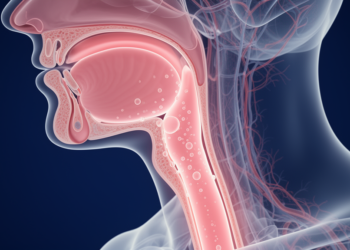
A review published in npj Viruses argues that the nasal mucosa, the site where influenza virus enters and begins replicating, remains an underused target for antiviral drugs because approved treatments were not designed for nasal delivery. The authors, led by Jolly Thomas and Daniel Christian Lauster, survey antiviral strategies that could suit nasal administration and assess the animal and human-relevant models available to develop such products.
The review outlines route-specific formulation and regulatory requirements for nasal sprays, then proposes a translational framework that combines in vitro, ex vivo and microphysiological systems with targeted in vivo studies. According to the authors, this integration is intended to reduce animal use while still supporting the development of anti-influenza nasal sprays.
Influenza remains a major seasonal and pandemic threat, and current antivirals act systemically after infection is established. A nasal spray would deliver an antiviral directly to the tissue where the virus first takes hold, potentially intervening earlier in the infection process. The review positions this route as an opportunity to rethink how influenza antivirals are formulated and tested.
The authors evaluate a range of infection models for their suitability in nasal antiviral development. These include cell culture systems, ex vivo tissue models and microphysiological systems, which are engineered devices that mimic aspects of human tissue physiology. The review weighs what each model can and cannot reveal about infection and drug response in the nasal mucosa.
Animal studies remain part of the proposed pathway, but the framework calls for them to be targeted rather than used broadly. The authors argue that in vitro and ex vivo systems can answer many early development questions, reserving animal experiments for studies where they are genuinely needed. This aligns with broader efforts to apply the principles of reduction, refinement and replacement in biomedical research.
Regulatory considerations receive specific attention in the review. Nasal delivery imposes distinct formulation demands compared with oral or injectable routes, including requirements for local tolerance, dose consistency and mucosal retention. The authors discuss how these route-specific requirements shape the path from laboratory models to approved products.
The review is published as an open-access article and is being shared early to provide faster access to peer-reviewed, accepted research. The version is citable and carries a permanent DOI, though it remains subject to further edits before the final Version of Record replaces it.
By mapping which models can answer which questions, the authors aim to give developers of nasal influenza antivirals a clearer translational route. The framework they propose is presented as a way to advance nasal spray antivirals while reducing reliance on animal testing, a combination the authors describe as both scientifically and ethically advantageous for the field.
Subject of Research: Development of nasal antiviral strategies against influenza using models that reduce animal testing
Article Title: Towards anti-influenza nasal sprays: infection models and opportunities to reduce animal testing
Article References: Thomas, J., Nilius, C. A., Matis, L., Schnur, S., Himmelstein, A., Novak, A. W., Kurreck, J., Hittinger, M., & Lauster, D. C. (2026). Towards anti-influenza nasal sprays: infection models and opportunities to reduce animal testing. npj Viruses, 4(1), Article 52. https://doi.org/10.1038/s44298-026-00255-9
Image Credits: AI Generated
DOI: 10.1038/s44298-026-00255-9
Keywords: influenza, nasal spray, antivirals, nasal mucosa, in vitro models, ex vivo models, microphysiological systems, animal testing reduction, drug formulation, regulatory requirements, translational research, npj Viruses
News Source: Ophelia Keating. (November 3, 2026). Nasal influenza antivirals advance as researchers map models to cut animal testing. Scienmag.