In recent years, the realm of cancer immunotherapy has experienced transformative advances, and now, the spotlight is firmly cast on nanovaccines as an innovative approach to combat hepatocellular carcinoma (HCC), one of the most aggressive and prevalent forms of liver cancer. This breakthrough technology harnesses the power of nanotechnology to engineer vaccines that specifically target cancerous cells in the liver, significantly enhancing the immune system’s ability to recognize and destroy tumors. As researchers delve deeper into this promising frontier, studies reveal that nanovaccines could revolutionize the landscape of cancer treatment by offering heightened specificity, reduced toxicity, and the potential for long-lasting immunity.
Hepatocellular carcinoma presents unique challenges due to its complex tumor microenvironment, which often suppresses immune responses and undermines conventional therapies. Traditional treatments, including surgery, chemotherapy, and even checkpoint inhibitors, while beneficial, frequently fall short due to poor targeting and systemic side effects. Nanovaccines address these limitations by delivering tumor-specific antigens and immune-stimulating molecules directly to dendritic cells, the key orchestrators of immune activation. Through precise delivery mechanisms, these nanovaccines prompt a robust T-cell mediated response, effectively teaching the immune system to identify and attack cancer cells while sparing healthy tissues.
The incorporation of nanomaterials into vaccine platforms is at the heart of this therapeutic evolution. Nanoparticles—engineered at a scale of just several nanometers—serve as carriers for a variety of bioactive agents including peptides, proteins, nucleic acids, and adjuvants. The physicochemical properties of these nanoparticles, such as their size, surface charge, and hydrophobicity, can be finely tuned to optimize cellular uptake and antigen presentation. Moreover, these nano-carriers can protect sensitive vaccine components from degradation and facilitate their sustained release, ensuring a prolonged immune stimulation essential for effective tumor eradication.
One of the most compelling aspects of nanovaccine technology in the context of HCC is its dual functionality: not only do these platforms serve as antigen delivery vehicles, but they can also be designed to modulate the tumor microenvironment itself. This capability is crucial because the immunosuppressive milieu surrounding liver tumors often thwarts immune cell infiltration and activation. By integrating immune checkpoint inhibitors or cytokines within the nanostructure, nanovaccines can neutralize local immune suppression, enabling cytotoxic T lymphocytes to penetrate the tumor and execute their cytotoxic functions effectively.
Advancements in nanoengineering have allowed for the development of multifunctional vaccine platforms that synergistically combine various immune stimulators. For example, incorporating toll-like receptor (TLR) agonists enhances the maturation of dendritic cells and amplifies antigen presentation. Simultaneously, the co-delivery of mRNA coding tumor-associated antigens within lipid nanoparticle formulations has shown remarkable promise, mirroring successes seen in recent mRNA vaccine technologies. These sophisticated designs facilitate a targeted and amplified immune response that is both tumor-specific and durable.
Clinical translation of these nanovaccine systems is rapidly progressing, with several candidates currently undergoing preclinical and early-phase clinical trials. These studies focus on evaluating safety, immunogenicity, dosing regimens, and combinatorial strategies with existing therapies such as targeted kinase inhibitors or immune checkpoint blockade. Preliminary data suggests that nanovaccines not only improve patient outcomes but also exhibit a favorable side-effect profile, marking a significant step forward in personalized cancer immunotherapy.
The liver’s unique immunological landscape, characterized by tolerance to constant antigen exposure from the gut, makes activating effective anticancer immunity particularly challenging. Nanovaccines circumvent this hurdle by enhancing the activation and migration of antigen-presenting cells within the liver microenvironment. They also promote the generation of memory T cells capable of long-term surveillance against tumor recurrence, addressing one of the most critical challenges faced in liver cancer treatment.
Furthermore, the modularity and adaptability of nanovaccine technology open up possibilities for personalized medicine. By using patient-specific tumor antigens—identified through genomic and proteomic profiling—nanovaccines can be custom-designed to precisely target unique tumor signatures. This bespoke approach holds immense potential for improving therapeutic efficacy and overcoming tumor heterogeneity, which is a major driver of therapeutic resistance in HCC.
Equally transformative is the capacity of nanovaccines to synergize with other novel therapeutic modalities. Combination regimens that employ nanovaccines alongside oncolytic viruses or CAR-T cell therapies have demonstrated enhanced antitumor activity by orchestrating a multi-pronged immune assault. Such integrated immunotherapeutic strategies are paving the way for durable remission and possible cures in cancers previously considered refractory to treatment.
Despite these promising advances, significant challenges remain before nanovaccines can be widely adopted in clinical practice. Issues related to large-scale manufacturing, regulatory hurdles, long-term safety, and precise control over immune responses must be meticulously addressed. However, ongoing research and innovative engineering approaches continue to mitigate these barriers, bringing nanovaccine-based immunotherapy closer to routine clinical application.
The convergence of immunology, nanotechnology, and oncology heralds a new era where highly precise and patient-tailored nanovaccines could become a cornerstone in managing hepatocellular carcinoma. This multidisciplinary approach not only enhances the efficacy of cancer vaccines but also minimizes collateral damage, a critical factor in improving the quality of life for patients undergoing treatment.
Scientists anticipate that the continued evolution of nanovaccine platforms will dramatically shift the paradigm in liver cancer therapy. Enhanced understanding of tumor immunobiology coupled with advancements in nanomaterials science will enable increasingly sophisticated vaccine designs capable of overcoming intrinsic tumor resistance mechanisms and eliciting potent immune responses.
Looking forward, the integration of artificial intelligence and machine learning in vaccine formulation holds promise for accelerating the discovery and optimization of nanovaccine candidates. These tools can analyze vast datasets to predict optimal antigen combinations and nanoparticle configurations, thus personalizing immunotherapy even further and significantly reducing development timelines.
In sum, nanovaccines represent a bold and hopeful frontier in the fight against hepatocellular carcinoma. By harnessing the extraordinary precision of nanotechnology to empower the immune system, researchers are pioneering a new class of therapeutics that could transform the prognosis for thousands of patients worldwide. As this exciting field matures, it may finally deliver on the longstanding promise of cancer immunotherapy—a future where cancer is not only treatable but curable.
Subject of Research: Nanovaccines as an innovative cancer immunotherapy for hepatocellular carcinoma.
Article Title: Nanovaccines in hepatocellular carcinoma: a new frontier in cancer immunotherapy.
Article References:
Usmani, A., Siddiqui, M.A., Mishra, A. et al. Nanovaccines in hepatocellular carcinoma: a new frontier in cancer immunotherapy. Med Oncol 43, 90 (2026). https://doi.org/10.1007/s12032-025-03204-3
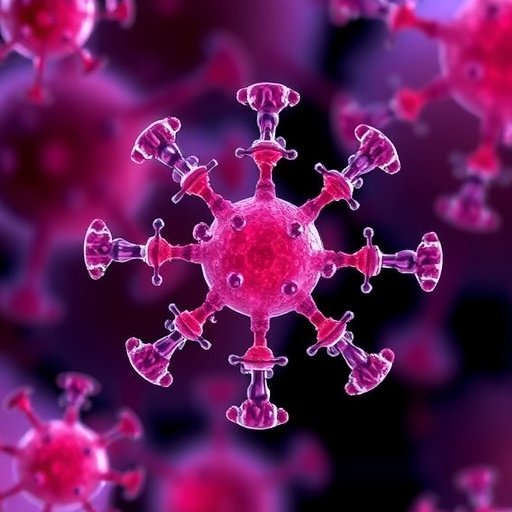
Image Credits: AI Generated
DOI: https://doi.org/10.1007/s12032-025-03204-3
Tags: breakthroughs in cancer vaccine developmentcancer immunotherapy innovationsdendritic cell targeting in immunotherapyhepatocellular carcinoma treatment advancementsimmune response enhancement strategieslong-lasting immunity in cancer therapiesnanotechnology in medicinenanovaccines for liver cancerprecision medicine for hepatocellular carcinomareducing toxicity in cancer treatmentstargeted cancer vaccine technologytumor microenvironment challenges