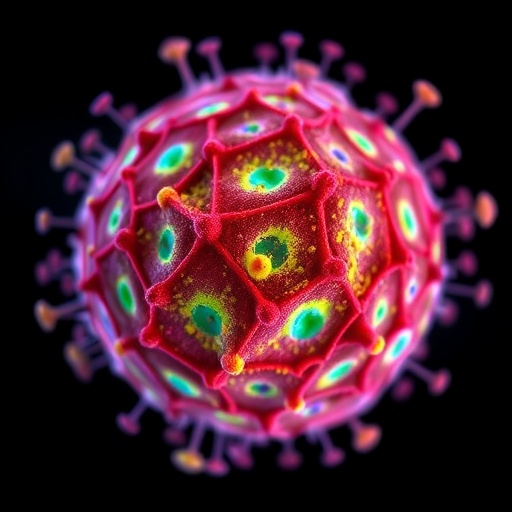
Scientists at the University of Michigan have pioneered a groundbreaking method to deliver gene therapies using protein-coated nanoparticles that promise enhanced safety and efficacy compared to traditional viral vectors. This innovation could transform treatment paradigms for cancer and genetic diseases by mitigating risks associated with viral-based gene delivery systems, which despite their successes, remain plagued by the possibility of triggering new cancers and severe immune responses in certain patients.
Traditional gene therapies rely heavily on using viruses as vectors to carry therapeutic genetic material into patient cells. These viral vectors have been extremely effective, particularly in treating blood-related disorders such as sickle cell disease and leukemia. However, the viral approach carries inherent drawbacks: the genetically engineered viruses can inadvertently induce secondary malignancies or provoke dangerous immune system overreactions. Addressing these concerns, the University of Michigan’s team engineered nanoparticles with a proteinaceous outer shell, substituting fat-based lipid nanoparticles commonly used in mRNA vaccines and gene therapies, which have been linked to inflammation and hepatic toxicity.
The researchers demonstrated the utility of these engineered nanoparticles by successfully modifying multiple human cell types—including liver cancer, kidney, and immune cells—cultured in vitro. By encapsulating DNA or messenger RNA encoding green fluorescent protein (GFP) inside protein nanoparticles, the team enabled these cells to uptake and express GFP, fluorescing visibly when activated. The protein encapsulation not only shields the genetic cargo but also enhances biocompatibility by potentially reducing inflammatory responses and liver damage observed with lipid nanoparticle platforms.
Central to the design is the use of serum albumin, a ubiquitous blood plasma protein, as the nanoparticle coating material. This strategic choice harnesses the natural biocompatibility and stability of albumin to mitigate immune activation and cytotoxicity. Future iterations may employ alternative proteins such as neurotransmitters or signaling molecules to target delivery to specific cell types, further expanding therapeutic possibilities. This tunable protein shell represents a crucial advancement over fatty nanoparticles, which, while effective, carry a risk of inflammatory side effects like fever and liver injury.
The nanoparticles are fabricated using electrohydrodynamic (EHD) jetting technology. In this process, a solution of protein and genetic material is subjected to a high-voltage electric field, propelling charged droplets towards a grounded collector. As water rapidly evaporates, the protein condenses into stable nanoparticles encapsulating the DNA or RNA payload. To enhance structural integrity, the particles are subsequently coated with polyethylenimine—a positively charged polymer facilitating endosomal escape by destabilizing the vesicles inside cells after uptake, enabling the release of genetic material into the cytoplasm.
Unlike viral vectors, these protein nanoparticles deliver genetic instructions without integrating the nucleic acids into the host genome, reducing the risk of insertional mutagenesis that can disrupt tumor suppressor genes. This non-integrative nature, however, means that the genetic effects are transient: mRNA persists for days while plasmid DNA expression may last several months. To maintain therapeutic benefits, protocols may involve repeated dosing or booster administrations. Furthermore, the team envisions future deployment of CRISPR-Cas9 gene editing elements within these nanoparticles to achieve targeted and permanent genome modifications, potentially establishing single-administration cures.
This nanoparticle platform emerges amidst the widespread success of current gene therapies, such as CAR T-cell immunotherapies and treatments for inherited blood disorders, which rely on modified HIV-based viral vectors. Although these therapies achieve remarkable remission rates, their safety profile is compromised by the virus’s proclivity to cause genotoxicity, sometimes leading to secondary blood cancers. Moreover, FDA-approved viral therapies administered systemically risk provoking infections and dangerous immune reactions, underscoring the urgent need for safer delivery systems.
In addition to providing a safer delivery vector, protein-coated nanoparticles leverage the body’s natural clearance mechanisms. Upon cellular internalization, the particles reside transiently within endosomes before releasing their cargo and degrading harmlessly. This controlled release is facilitated by polyethylenimine’s unique ability to induce osmotic swelling that disrupts endosomal membranes, thereby bypassing degradation pathways and ensuring genetic payloads reach the cytoplasm efficiently.
The collaborative work, supported by the National Institutes of Health, was conducted using state-of-the-art facilities at the University of Michigan, including advanced materials characterization centers and microscopy cores. These resources allowed in-depth analysis of nanoparticle structure, cellular uptake, and gene expression. The researchers foresee extensive preclinical studies to assess therapeutic gene delivery efficacy and identify any adverse effects, setting the stage for translation into clinical applications.
This alternative vector system represents a major leap forward in the burgeoning field of nanomedicine and gene therapy, offering a potentially transformative approach that combines safety, modularity, and precision. By circumventing the pitfalls of viral integration and reducing inflammatory side effects linked with lipid nanoparticles, protein nanoparticles may open new horizons for treating a wide array of genetic disorders and cancers with customizable, targeted gene therapies.
Lead investigators emphasize that while current results are promising, ongoing research is essential to optimize nanoparticle formulations for diverse therapeutic genes and cellular targets. The controlled, non-integrative delivery mechanism could facilitate safer treatments for diseases caused by single gene mutations, and integration with CRISPR technology may eventually enable permanent cures without the risks posed by viral vectors.
Innovations in nanoparticle engineering like those pioneered at the University of Michigan are critical to overcoming longstanding challenges in gene therapy delivery. By harnessing natural proteins and advanced manufacturing techniques such as electrohydrodynamic jetting, scientists are crafting sophisticated delivery vehicles designed to navigate the complex intracellular environment and release therapeutic genes reliably without triggering adverse immune responses. This technological synergy promises to redefine gene therapy safety and broaden its transformative potential across medicine.
As the field progresses, these protein-coated nanoparticles could replace existing virus-based vectors in clinical use, offering a safer alternative with fewer side effects and improved patient outcomes. The platform’s versatility further suggests it could be adapted for numerous diseases beyond cancer and blood disorders, underscoring the profound impact of nanotechnology and biomaterials innovation on future gene therapy landscapes.
Subject of Research:
Nanoparticle-mediated nonviral gene delivery for safer and controlled gene therapy applications
Article Title:
Surface-Capped Protein Nanoparticles for Nonviral Gene Delivery
News Publication Date:
Not explicitly stated in source content
Web References:
https://advanced.onlinelibrary.wiley.com/doi/10.1002/adma.202521796
References:
DOI: 10.1002/adma.202521796 (Advanced Materials)
Keywords:
Nanomedicine, Gene Therapy, Gene Editing, Nonviral Vectors, Protein Nanoparticles, Electrohydrodynamic Jetting, CRISPR-Cas9, Biomedical Engineering, Molecular Therapy, Inflammation, Liver Damage, Targeted Drug Delivery
Tags: alternatives to viral vectors in gene therapycancer gene therapy innovationsgenetic disease treatment advancementsmulti-cell type genetic modificationnanoparticle encapsulation of mRNA and DNAnanoparticle-based gene therapynon-viral gene delivery methodsprotein shell nanoparticlesprotein-coated nanoparticles for gene therapyreducing immune response in gene deliverysafe genetic modification techniquesUniversity of Michigan gene therapy research