Endometriosis affects roughly ten percent of reproductive-aged women and individuals assigned female sex at birth worldwide, yet the therapeutic arsenal has barely changed in decades. The condition, in which tissue resembling the uterine lining implants outside the uterine cavity on the pelvic peritoneum, ovaries and bowel, produces a notoriously heterogeneous spectrum ranging from silent disease to incapacitating chronic pelvic pain, dysmenorrhea, dyspareunia and infertility. Beyond the immeasurable psychosocial toll of anxiety, depression and lost quality of life, repeated procedures and productivity losses create an enormous economic burden. A newly published review in Frontiers in Pharmacology argues that this stagnation is not inevitable, and that a convergence of nanotechnology, immunology and interventional therapy could mark a conceptual shift away from symptom-centered management toward investigational, mechanism-oriented strategies that, pending clinical validation, may confer disease-modifying potential.
The review, authored by Muhammad Inam and colleagues at Qilu Institute of Technology in Jinan, China, and Qassim University in Buraydah, Saudi Arabia, begins from a blunt assessment of the status quo. Current management follows a dichotomy between hormonal suppression and surgical excision. Hormonal contraceptives, progestins, gonadotropin-releasing hormone agonists and antagonists, and androgenic agents all aim to induce a hypoestrogenic state that inhibits the growth of both eutopic and ectopic endometrium. While this relieves pain in many patients, it is palliative and non-curative: the underlying lesions and their pathobiological drivers are suppressed but never eliminated, so symptoms recur at high rates after treatment discontinuation. Side effects including mood swings, weight gain, bone mineral depletion and anovulation make these regimens unbearable or contraindicated for a significant portion of patients, particularly those hoping to conceive. Surgery, mostly laparoscopic excision, can provide definitive histological diagnosis and eradicate visible lesions, but complete removal of deeply involved disease is technically difficult and carries risks of damaging the bowel, bladder and ureters.
What makes the review distinctive is its insistence that the three emerging modalities it surveys, targeted drug delivery, immunomodulation and physical ablation, should not be viewed as separate options but as convergent interventions on a shared pathophysiological axis. The authors note that although individual components have been reviewed before, an integrated framework explicitly connecting them through a common mechanistic rationale, translated into a testable theranostic platform under the explicit constraint of fertility preservation, has been lacking for endometriosis. Each modality plays a distinct role: enhancing lesion access, disrupting local immune tolerance, and promoting lesion debulking with immune priming. The modern understanding of endometriosis as a systemic, multidimensional disease, involving genetic and epigenetic maladaptation of endometrial cells, a highly perturbed immune microenvironment with impaired natural killer cell cytotoxicity, skewed macrophage polarization and excessive inflammatory cytokine production, provides the rationale for this multimodal approach.
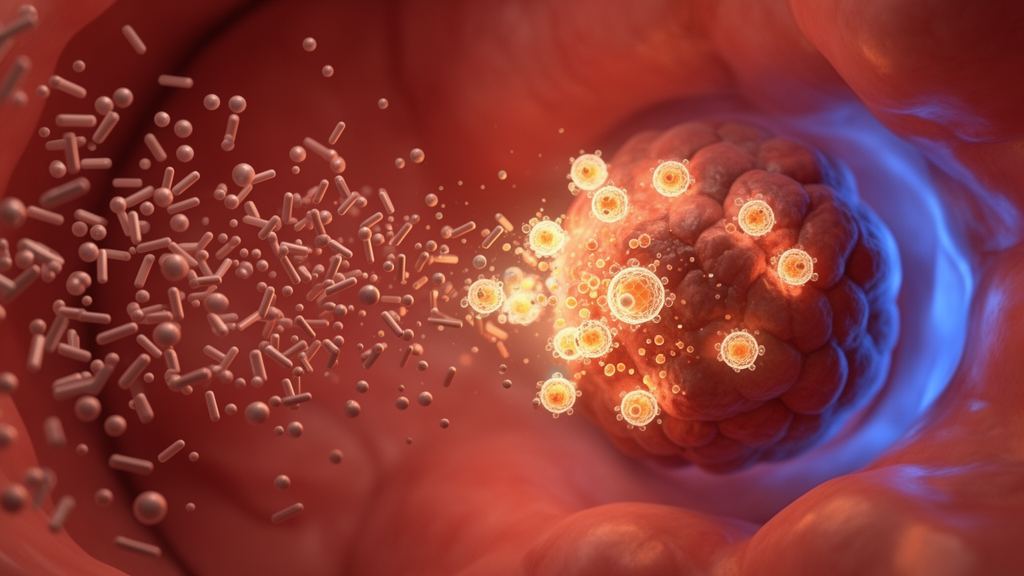
The first pillar, precision nanomedicine, targets the central weakness of systemic hormonal therapy. Nanoparticles can selectively accumulate in endometriotic lesions through two major routes: a passive approach exploiting the enhanced permeability and retention (EPR) effect of hyperpermeable neovasculature, and an active approach using surface ligands directed at overexpressed receptors such as the folate receptor, integrins and selective growth factor receptors. The review is refreshingly candid about the limits of passive targeting. EPR is highly heterogeneous among patients and lesions, its magnitude in human disease is typically weaker and more variable than in rodent models, and the effect was established primarily in solid tumors whose vascular permeability and interstitial pressure differ markedly from endometriotic lesions, which are often small, fibrotic and poorly vascularized. Direct evidence of EPR-mediated nanoparticle accumulation in human endometriosis remains limited, strengthening the case for ligand-mediated targeting and imaging-based patient stratification before EPR-dependent therapy.
Among nanocarriers, three platforms stand out. Lipid-based nanoparticles are the most clinically developed, owing to high biocompatibility, the capacity to entrap both hydrophobic and hydrophilic drugs, and a successful clinical history most recently through mRNA vaccines. In one highlighted study, Liao and colleagues developed a targeted liposomal nanosystem co-loaded with the pyroptosis inhibitor disulfiram and the estrogen receptor beta antagonist PHTPP, designed to synergistically disrupt the positive feedback loop between inflammation and estrogen. The carrier is modified with dual-targeting peptides cRGD and iRGD, enabling specific binding to integrin alpha-v-beta-3 receptors highly expressed in lesions while leveraging iRGD’s tissue-penetrating function to enhance delivery into deep tissue. In a related but distinct application, Abbasi and colleagues encapsulated therapeutic mRNA within ligand-conjugated lipid nanoparticles for endometrial delivery, with direct ligand-to-lipid conjugation enhancing endometrial protein expression after intrauterine infusion while minimizing off-target expression in the liver and spleen. The authors stress that this targets the eutopic endometrium in reproductive disorders, not ectopic endometriotic lesions, and that direct evidence for mRNA delivery to endometriotic lesions remains lacking.
Polymer-based nanoparticles offer structural versatility, long-term release kinetics and stimuli-responsive delivery. PLGA, an FDA-approved biodegradable polymer tunable for degradation and capable of sustained release lasting days to weeks, has received particular attention, including designs for local delivery of GnRH agonists that could eliminate systemic side effects. Vashisth and colleagues developed ionic liquid-coated gold-core polymeric nanoparticles for selective neutrophil targeting toward photothermal treatment, demonstrating in vitro biocompatibility and ex vivo neutrophil selectivity in human whole blood by flow cytometry and confocal microscopy. Separately, Egorova and colleagues evaluated the R6p-cRGD peptide carrier as a non-viral siRNA delivery vehicle for anti-angiogenic therapy targeting VEGFA expression in endothelial cells and endometrial implants. Nanomicelles, whose small size allows extravasation through fenestrated lesion vasculature and whose hydrophobic core solubilizes poorly water-soluble agents, form the third platform. Zhao and colleagues showed that chitosan oligosaccharide-stearic acid micelles enabled selective targeting of ectopic lesions after intravenous administration in rats, reducing lesion size, inducing endometrial degeneration, increasing apoptosis and decreasing microvessel density without reproductive toxicity. Yuan and colleagues developed CSOSA micelle-coated nanostructured lipid carriers delivering the P2X3 receptor antagonist A-317491, which accumulated in endometriotic lesions and produced prolonged reversal of mechanical and thermal hyperalgesia in rodent models. In a randomized trial of endometriosis patients, Jannatifar and colleagues reported that nanomicelle curcumin supplementation significantly elevated serum antioxidant levels while reducing follicular fluid oxidative stress and pro-inflammatory cytokines, changes that correlated with improved oocyte yield, embryo quality and assisted reproduction outcomes.
The second pillar, immunomodulation, exploits the fact that endometriotic lesions co-opt the peritoneal immune system for survival. Rather than delivering free immunomodulatory agents that circulate throughout the body and risk off-target immunosuppression, nanoparticle-based delivery enables targeted regulation of selected immune cell populations within the endometriotic microenvironment. The review carefully untangles an apparent contradiction in macrophage-targeting logic: in endometriotic lesions, M2-like macrophages are often co-opted to suppress immunity and support lesion survival, angiogenesis and fibrosis, so reprogramming them toward an M1-like phenotype can restore phagocytosis, antigen presentation and immune clearance; conversely, after lesion control, promoting a genuinely pro-resolving M2 phenotype may limit persistent inflammation, tissue injury and adhesion formation. The objective, the authors argue, is not polarization per se but restoration of stage-appropriate immune balance. Wu and colleagues developed outer membrane vesicle-coated PLGA nanoparticles that achieved prolonged peritoneal retention in mice and were taken up by nearly eighty percent of peritoneal macrophages, driving reprogramming toward the M1 phenotype and reducing the M2-to-M1 ratio in both the peritoneal cavity and endometriotic lesions. Zhu and colleagues created glucose oxidase-loaded bovine serum albumin nanoparticles delivered specifically to ectopic lesions via a neutrophil-dependent hitchhiking mechanism, where they depleted glucose and induced apoptosis, exhibiting potent anti-endometriosis efficacy in both acute and chronic inflammatory phases. The review also highlights emerging evidence that endometriotic lesions can use immune checkpoint pathways to avoid macrophage phagocytosis, suggesting that nanoparticles functionalized with antibodies or small-molecule inhibitors could restore immune-mediated ectopic cell clearance.
The third pillar, physical ablation, offers minimally invasive lesion elimination while preserving adjacent healthy tissue. Gold nanoparticle-mediated photothermal therapy takes advantage of the outstanding optical properties, high biocompatibility and controllable surface chemistry of AuNPs. Gold nanorods are especially suited to gynecological applications because their longitudinal surface plasmon resonance can be tuned within the near-infrared window; functionalized with antibodies against endometrial-specific antigens or peptides against integrins overexpressed on endometriotic vasculature, they can actively home to lesions after intravenous injection, followed by NIR irradiation delivered through a laparoscopic or percutaneous fiber-optic probe. In one preclinical study, NIR irradiation led to complete ablation of targeted lesions without recurrence after long-term follow-up, without ablating adjacent organs including the bowel, bladder and ureters, though the authors caution that the absence of adjacent-organ injury in a single preclinical study does not establish clinical safety, given that human lesions frequently lie adjacent to critical structures. Volpini and colleagues developed an AuNP nanosystem actively targeting human endometriosis CD44-positive cells, which internalized via clathrin-mediated endocytosis and showed significant photothermal efficacy against 12Z cells. Kumar and colleagues demonstrated that FITC-tagged, silica-coated gold nanorods could serve as contrast agents for noninvasive photoacoustic imaging of deep-seated endometriosis in mice, with pronounced photoacoustic signals observed in lesions. Beyond direct thermal destruction, photothermal ablation can trigger immunogenic cell death, releasing damage-associated molecular patterns that activate dendritic cells and induce anti-lesion adaptive immunity, an in situ vaccination effect that could generate systemic immunity against residual or microscopic deposits.
Magnetic hyperthermia offers a complementary route that circumvents photothermal therapy’s dependence on light penetration. Because magnetic fields are not notably affected by body tissues, the technique can treat deeply infiltrating lesions, such as those in the uterosacral ligaments, rectovaginal septum or bowel serosa, without direct line-of-sight access. In rodent models, superparamagnetic iron oxide nanoparticles delivered intraperitoneally or intravenously followed by exposure to an external alternating magnetic field have shown substantial lesion regression, decreased inflammatory cytokine production and reduced hyperalgesia, with the thermal dose directly regulated by magnetic field parameters. Liu and colleagues developed an injectable magnetic hydrogel incorporating Fe3O4 nanoparticles alongside an anti-inflammatory peptide; upon magnetic activation, localized hyperthermia raised the temperature of endometriotic lesions to 63.3 degrees Celsius, effectively ablating endometriotic cells, with favorable biocompatibility and complete in vivo biodegradability. Looking further ahead, the review proposes natural-product-derived carbon dots as a testable theranostic embodiment of the integrated framework: carbon dots synthesized hydrothermally from retinoic acid as the sole precursor could carry surface-bound bioactive moieties inducing apoptosis and restoring the inflammatory microenvironment, while being functionalized to accept a non-opioid analgesic payload, simultaneously targeting disease pathology and chronic pain on a single biocompatible platform. The authors are explicit that this remains a conceptual proposal requiring rigorous experimental validation.
The review’s honest self-assessment tempers the enthusiasm. Targeted delivery has the strongest preclinical efficacy evidence but limited long-term safety data; immunomodulation is supported by a strong mechanistic rationale but lacks direct efficacy evidence in endometriosis; physical ablation provides immediate lesion control but may be less durable. Clinically, targeted delivery is the most advanced, physical ablation intermediate, and immunomodulation the least mature. Significant translational challenges remain, including the intrinsic heterogeneity of endometriotic lesions, the absence of reliable noninvasive biomarkers for patient stratification, and the need for strict safety monitoring in the reproductive tract when nanoparticle-based systems are used. Realizing this multimodal paradigm will require multidisciplinary cooperation among nanomedicine engineers, immunologists, interventional radiologists and reproductive specialists to develop standardized protocols, navigate regulatory pathways and demonstrate long-term safety and efficacy through well-designed clinical trials. Until then, the authors conclude, these converging nanomaterial strategies should be regarded as investigational, even as they sketch a plausible route toward durable disease modification, improved fertility outcomes and personalized management of one of medicine’s most stubborn chronic conditions.
Subject of Research: Multimodal nanomaterial strategies for endometriosis treatment
Article Title: Nanomaterials for endometriosis: a multimodal strategy integrating targeted delivery, immunomodulation, and physical ablation
Article References: Inam, M., Hayat, M., Latif, F., Ahmed, B., & Osman, A. (2026). Nanomaterials for endometriosis: a multimodal strategy integrating targeted delivery, immunomodulation, and physical ablation. Frontiers in Pharmacology, 17, Article 1953410. https://doi.org/10.3389/fphar.2026.1953410
Image Credits: AI Generated
DOI: 10.3389/fphar.2026.1953410
Keywords: endometriosis, nanomedicine, targeted drug delivery, immunomodulation, photothermal therapy, magnetic hyperthermia, carbon dots, gynecology, Nanomaterials, multimodal, strategy, integrating
News Source: Charles Cole. (October 26, 2026). Nanomaterials Converge on Endometriosis With Targeted Delivery, Immune Reprogramming and Ablation. Scienmag.