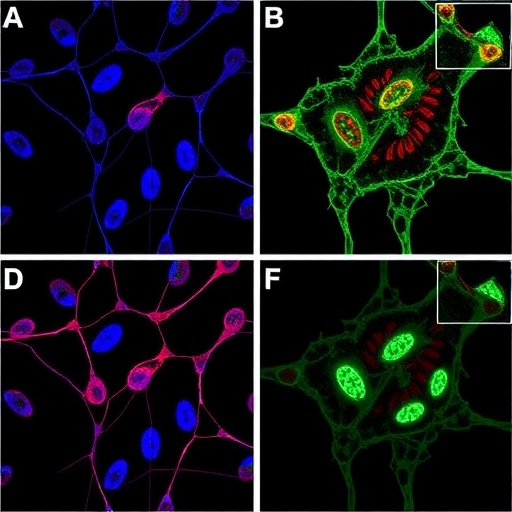
Myocardial infarction, commonly known as a heart attack, is a leading cause of morbidity and mortality worldwide. Recent studies have illuminated a disturbing correlation between these events and persistent endothelial dysfunction, a condition that is increasingly recognized as a key player in cardiovascular health. A compelling new study by Jimenez-Trinidad et al. sheds light on the seemingly paradoxical relationship between myocardial infarction and endothelial function, highlighting a crucial element that has largely been overlooked in cardiovascular research. This innovative research reveals that the detrimental effects of a heart attack on endothelial function can occur independently of traditional cardiovascular risk factors.
The endothelium, a thin layer of cells lining the blood vessels, plays a fundamental role in vascular homeostasis. It governs various physiological processes, including vascular tone, blood flow regulation, and inflammatory responses. When endothelial cells fail to function optimally, it can lead to various pathologies, including atherosclerosis and hypertension. The findings of this research suggest that the endothelial dysfunction triggered by myocardial infarction could operate outside the realms of previously defined risk factors such as hypertension, hyperlipidemia, and smoking.
The implications of this finding are profound because they challenge the existing paradigm in cardiovascular disease management. Traditionally, the focus has been on mitigating risk factors to prevent heart attacks and subsequent complications. However, the results from Jimenez-Trinidad and colleagues indicate that individuals could experience endothelial dysfunction post-myocardial infarction even in the absence of these established risk factors. This calls for a more nuanced understanding of the processes at play post-heart attack and their long-term effects on vascular health.
By conducting experiments on animal models, the research team was able to delineate the biochemical pathways activated during myocardial infarction that contribute to endothelial dysfunction. They discovered that a specific cascade of inflammatory mediators and oxidative stress markers becomes activated during the ischemic event, directly impairing endothelial function. This complex interplay points to a need for research that digs deeper into the molecular underpinnings of endothelial dysfunction that is provoked during myocardial infarction.
What is particularly noteworthy about this study is its call for a reevaluation of clinical strategies to improve outcomes in patients who have suffered from a myocardial infarction. While conventional approaches have concentrated on managing risk factors, this research suggests that a focus on endothelial recovery may be equally crucial. In doing so, it raises important questions about current therapeutic interventions and highlights the need for novel treatments that target endothelial repair after a heart attack.
Furthermore, the study raises awareness of the potential for long-term consequences of myocardial infarction that go beyond the initial event. Post-myocardial infarction patients may experience a protracted period of vascular impairment, leading to increased susceptibility to further cardiovascular events. Understanding this phenomenon is essential for developing comprehensive post-attack care strategies that prioritize endothelial function and overall cardiovascular health.
Moreover, the study emphasizes the critical role of early intervention in the aftermath of myocardial infarction. Addressing endothelial dysfunction as soon as possible may mitigate the cascade of negative events that follow cardiac ischemia. The researchers advocate for the establishment of clinical protocols that monitor and treat endothelial health in myocardial infarction patients, paving the way toward better long-term outcomes.
As the healthcare community digests these findings, it is pivotal to explore avenues for public health campaigns that promote awareness of the risks associated with endothelial dysfunction post-heart attack. Better education and outreach can empower patients to advocate for their own cardiovascular health in the aftermath of such critical events, leading to more proactive engagement in post-event care.
The results presented in this study also resonate beyond the confines of myocardial infarction, as they invoke a broader dialogue about endothelial health in cardiovascular diseases. The findings could inspire new research pathways aimed at exploring how endothelial dysfunction operates in other contexts, prompting an expansion of our understanding of cardiovascular health as a whole.
In conclusion, the study by Jimenez-Trinidad et al. uncovers crucial insights into the relationship between myocardial infarction and endothelial dysfunction that may redefine standard practices in caring for patients post-cardiac events. As the research landscape evolves, it urges healthcare providers to consider endothelial function not just as a marker of cardiovascular health but as a vital component of recovery strategies following heart attacks.
Supporting these findings with robust clinical trials and longitudinal studies will be essential for corroborating the significance of targeting endothelial dysfunction as a therapeutic strategy. The healthcare landscape stands at a crossroads of innovation and evolving understanding, one where the integration of such insights could lead to transformative changes in patient care and ultimately, improved cardiovascular outcomes for millions.
Subject of Research: The impact of myocardial infarction on endothelial dysfunction independent of cardiovascular risk factors.
Article Title: Myocardial infarction induces endothelial dysfunction with independence of cardiovascular risk factors.
Article References: Jimenez-Trinidad, F.R., Solanes, N., Arrieta, M. et al. Myocardial infarction induces endothelial dysfunction with independence of cardiovascular risk factors. Angiogenesis 28, 52 (2025). https://doi.org/10.1007/s10456-025-10006-8
Image Credits: AI Generated
DOI: https://doi.org/10.1007/s10456-025-10006-8
Keywords: Myocardial Infarction, Endothelial Dysfunction, Cardiovascular Risk Factors, Inflammation, Oxidative Stress, Vascular Health, Recovery Strategies, Clinical Interventions.
Tags: atherosclerosis and hypertension relationshipcardiovascular health and endothelial functionemerging insights in cardiovascular diseasesimpact of heart attack on vascular homeostasisimplications for heart disease managementindependent causes of heart attackinnovative cardiovascular research findingsmyocardial infarction and endothelial dysfunctionpersistent endothelial dysfunctionrole of endothelium in blood flow regulationsignificance of endothelial healthtraditional cardiovascular risk factors