In the ever-evolving landscape of oncology research, an emerging frontier has gained remarkable attention: the mycobiome’s role in gastrointestinal cancers. Recent studies, including a comprehensive update by Zhang, Li, and Cao published in Medical Oncology, unveil intricate mechanisms by which fungal communities residing within the gut—collectively known as the mycobiome—interact with gastrointestinal tissues, influencing carcinogenesis and presenting novel therapeutic avenues. This revelation not only challenges the traditional bacterial-centric view of the microbiome’s involvement in cancer but also opens a realm of potential breakthroughs in diagnostics and intervention strategies.
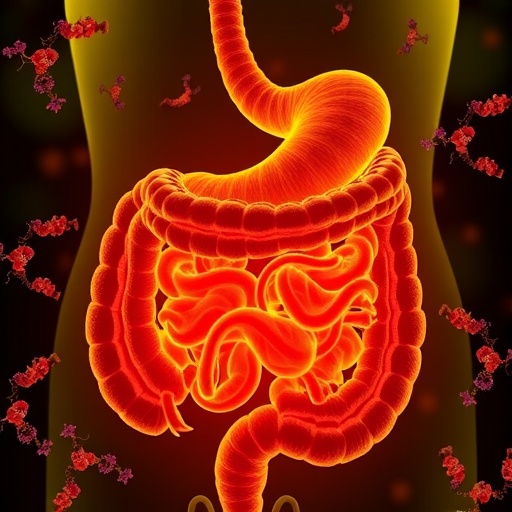
The mycobiome encompasses a diverse array of fungal species inhabiting the gastrointestinal tract, often overshadowed by the bacterial microbiota’s predominance in prior cancer research. However, mounting evidence indicates fungi play a crucial modulatory role, contributing to inflammation, immune surveillance, and metabolic processes within the gut mucosa. This multifaceted influence suggests the mycobiome’s dysregulation can foster an environment conducive to tumor initiation and progression. Zhang and colleagues provide a meticulous synthesis of the current understanding, emphasizing the complex crosstalk between fungal populations and host cellular pathways in gastrointestinal cancer development.
One critical aspect highlighted is the mycobiome’s involvement in shaping the tumor microenvironment. Fungi engage in direct interactions with immune cells, modulating inflammatory responses by activating pattern recognition receptors such as dectin-1 and Toll-like receptors. These pathways can induce the secretion of pro-inflammatory cytokines like IL-6 and TNF-α, which are known to support tumor growth and survival. Additionally, fungal metabolites have been identified as modulators of cellular signaling cascades, influencing epithelial cell proliferation and apoptosis in ways that can either suppress or promote malignancy depending on context and species composition.
The dysbiosis of the mycobiome—characterized by an imbalance in fungal diversity and abundance—has been correlated with several types of gastrointestinal cancers, including colorectal, gastric, and pancreatic malignancies. For instance, elevated levels of Candida species have been recurrently observed in colorectal cancer patients, suggesting these fungi may exacerbate oncogenic inflammation or produce carcinogenic metabolites. Zhang et al. underscore that these alterations in fungal communities often coincide with bacterial dysbiosis, indicating a complex interplay among microbial kingdoms that collectively modulate carcinogenic processes.
Mechanistically, fungal pathogens can influence key hallmarks of cancer through modulation of the epithelial barrier and immune evasion. The disruption of mucosal integrity by fungal overgrowth facilitates chronic inflammation, a well-established driver of oncogenesis. Moreover, fungi can evade immune detection by altering antigen presentation or inducing regulatory T-cell populations, thus enabling tumor cells to escape immune-mediated destruction. These insights provide a compelling rationale for targeting the mycobiome as an adjunctive strategy in cancer therapy.
Therapeutic implications are particularly promising in light of these findings. Antifungal agents, either alone or in combination with conventional chemotherapy and immunotherapy, demonstrate potential to reshape the tumor microenvironment and restore immune competence. Experimental models have shown that reducing pathogenic fungal load can diminish tumor burden and improve response rates to immune checkpoint inhibitors. Zhang and colleagues advocate for more clinical trials to ascertain optimal antifungal regimens and identify patient subgroups that may benefit most from mycobiome-targeted interventions.
Advanced sequencing technologies have been instrumental in unraveling the mycobiome’s complexity, enabling precise characterization of fungal species and their functional roles. Metagenomic and metatranscriptomic analyses reveal not only the presence but metabolic activity of various fungi within tumor sites, providing unprecedented granularity in understanding their contribution to cancer biology. This molecular insight is essential for developing diagnostic biomarkers based on fungal signatures that could predict cancer risk, progression, or therapeutic responsiveness.
Beyond direct fungal influence, the authors explore the mycobiome’s interaction with bacterial microbiota, emphasizing a synergistic or antagonistic dynamic that ultimately affects host pathophysiology. Certain bacteria may inhibit or promote fungal growth, while fungal metabolites can alter bacterial composition and function. This bidirectional relationship underscores the need to consider the entire microbial ecosystem when investigating gut-associated cancers and designing microbiome-modulating strategies.
Furthermore, dietary factors and environmental exposures profoundly impact the mycobiome’s structure and function. Nutrients, prebiotics, and xenobiotics can selectively promote or inhibit fungal colonization, thereby indirectly affecting gastrointestinal carcinogenesis. Such insights suggest lifestyle modifications might complement pharmacological approaches to modulate the mycobiome favorably, highlighting an integrative path toward cancer prevention and management.
Despite the significant advances, the authors caution that mycobiome research in gastrointestinal oncology remains nascent, with many unanswered questions regarding causality, temporal dynamics, and the precise molecular mechanisms involved. Future studies necessitate well-designed longitudinal human cohorts, robust animal models, and mechanistic experiments that dissect fungal-host interactions at the cellular and molecular levels. These endeavors will be critical to translate current discoveries into clinical practice effectively.
Immunotherapy stands out as an exciting arena where mycobiome modulation could yield transformative benefits. Fungal elements profoundly influence antigen presentation and immune checkpoint pathways, suggesting that integrating fungal modulation could enhance efficacy and overcome resistance to treatments including PD-1/PD-L1 and CTLA-4 inhibitors. Zhang et al. theorize a future paradigm where combined microbiome-targeted approaches personalize immunotherapy, improving outcomes for patients with resistant gastrointestinal malignancies.
Importantly, the review emphasizes the potential risks associated with indiscriminate antifungal use, which may disrupt beneficial fungal communities and provoke unintended consequences. Precision medicine approaches that delineate pathogenic from commensal fungi and tailor interventions accordingly are paramount to maximize therapeutic benefit while minimizing harm. This balance will require advanced diagnostics and a deeper mechanistic understanding of fungal symbiosis versus pathogenicity in the gastrointestinal milieu.
In conclusion, the updated insights into the mycobiome’s intricate role in gastrointestinal cancers herald a paradigm shift in oncological research and therapy. With its profound impact on tumorigenesis, immune modulation, and therapeutic response, the mycobiome emerges as a vital component in the cancer ecosystem. The intersection of cutting-edge microbiome science, immunology, and oncology promises to unlock novel diagnostic biomarkers and innovative treatments that harness the mycobiome’s potential, illuminating a new horizon in colorectal, gastric, pancreatic, and beyond.
This comprehensive review by Zhang, Li, and Cao not only consolidates existing knowledge but provocatively challenges the scientific and clinical communities to integrate fungal ecology into cancer paradigms. By elevating the mycobiome from obscurity, this research underscores the intricate microbial forces shaping cancer biology and paves the way for groundbreaking translational applications that could revolutionize gastrointestinal cancer management.
Subject of Research: Role of the mycobiome in gastrointestinal cancers, including mechanisms and therapeutic implications.
Article Title: Update on the role of mycobiome in Gastrointestinal cancers: mechanisms and therapeutic implications.
Article References:
Zhang, X., Li, Y. & Cao, D. Update on the role of mycobiome in Gastrointestinal cancers: mechanisms and therapeutic implications. Med Oncol 43, 96 (2026). https://doi.org/10.1007/s12032-025-03207-0
Image Credits: AI Generated
DOI: https://doi.org/10.1007/s12032-025-03207-0
Tags: cancer microenvironment and fungicrosstalk between fungi and host pathwaysdysregulation of gut mycobiomefungal communities in cancer researchgut fungi and tumor developmentimmune modulation by fungal speciesinflammation and mycobiome interactionsmechanisms of mycobiome influencemicrobiome research in oncologymycobiome and gastrointestinal cancersnovel diagnostics for GI cancerstherapeutic implications of mycobiome