A comprehensive narrative review evaluating biomedical research published between January 2015 and July 2026 indicates that two-dimensional transition metal carbides, nitrides, and carbonitrides, collectively known as MXenes, offer promising multifunctional properties for regenerative dentistry while facing substantial translational barriers before clinical adoption. The investigation establishes that although MXene-based nanomaterials actively promote cell adhesion, osteogenesis, vascularization, and pathogen eradication, their documented dental efficacy remains concentrated in preclinical alveolar bone and periodontal infection models. Crucially, the authors found that frequently proposed applications in functional dental pulp and tubular dentin regeneration remain unsupported by direct oral evidence, relying instead on extrapolated bone differentiation data that fail to replicate the complex cellular and microbiological architecture of human dental tissues.
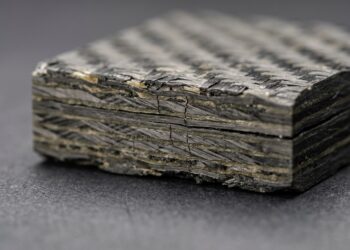
Structurally, MXenes possess an accordion-like or layered two-dimensional morphology derived from precursor MAX phases through the selective chemical removal of intermediate aluminum layers. Etching routes traditionally deploy hydrofluoric acid or in situ fluoride solutions such as lithium fluoride blended with hydrochloric acid, though emerging green alternatives encompass hydrothermal extraction, electrochemical dissolution, molten salt processing, halogen etching, and algae-mediated biological digestion. The resulting nanosheets follow the empirical stoichiometry Mn+1XnTx, where early transition metals including titanium, zirconium, niobium, or tantalum enclose carbon or nitrogen lattices decorated by hydrophilic surface terminations such as hydroxyl, oxygen, fluorine, or chlorine groups. These surface chemistries impart metallic electrical conductivities reaching twenty thousand siemens per centimeter, thermal conductivities spanning ten to eighty watts per meter-kelvin, and Young’s moduli ranging between twenty and five hundred gigapascals. Delamination with chemical intercalants like lithium chloride or organic amines yields single-layer or few-layer sheets displaying specific surface areas exceeding one hundred square meters per gram.
Biological evaluations indicate that these intrinsic physical parameters permit MXene platforms, particularly titanium carbide formulations, to orchestrate complex cellular pathways vital for damaged oral tissue reconstruction without demanding supplementary exogenous growth factors. In cell culture assays, pristine and composite titanium carbide nanosheets significantly enhanced the osteogenic differentiation of pre-osteoblasts and bone marrow mesenchymal stem cells by elevating alkaline phosphatase enzymatic activity, nodule mineralization, and gene expression for runt-related transcription factor two, osteocalcin, and osteopontin. Mechanistic investigations revealed that titanium carbide upregulates dentin matrix acidic phosphoprotein one while suppressing dual-specificity phosphatase one, thereby concurrently activating canonical wingless-related integration site beta-catenin signaling and the mitogen-activated protein kinase cascade. Concurrently, the nanomaterials stimulated endothelial cell proliferation and tubular network assembly through vascular endothelial growth factor upregulation and phosphoinositide three-kinase protein kinase B cascades, while dampening pathological monocyte activation and skewing inflammatory macrophages from the destructive M1 phenotype toward pro-healing M2 states.
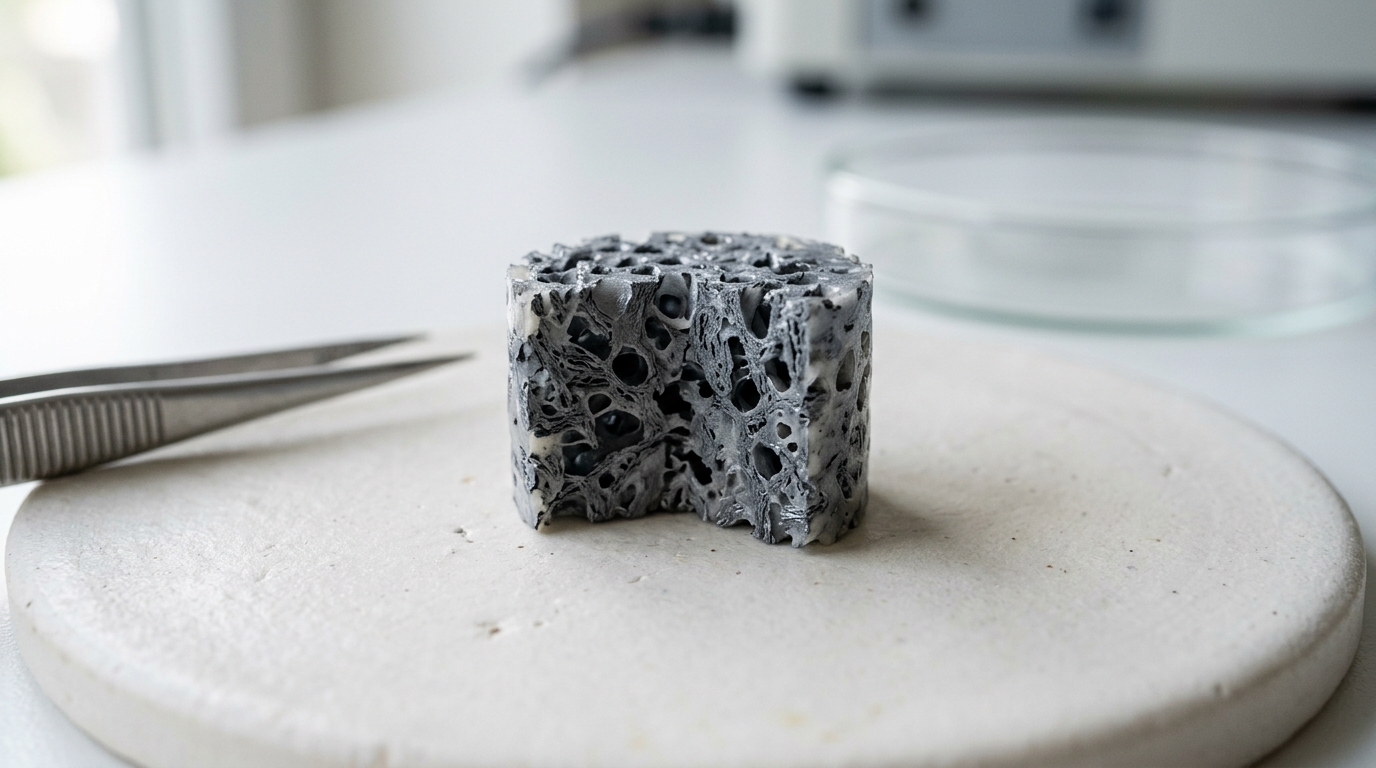
Direct experimental validation of these biological mechanisms in oral environments has centered primarily on guided bone regeneration membranes and injectable hydrogel scaffolds tailored for alveolar bone preservation. In Sprague-Dawley rat models presenting periodontal fenestration defects and experimental periodontitis, titanium carbide nanoflakes stimulated periodontal ligament stem cells via combined wingless-related integration site and hypoxia-inducible factor one-alpha pathways, driving local bone accretion while suppressing osteoclastic resorption. When incorporated into polymeric matrices such as polycaprolactone, gelatin methacryloyl, alginate, and hyaluronic acid, the two-dimensional sheets significantly reinforced scaffold tensile strength and hydrophilicity while sustaining osteoblast adhesion under simulated physiological loads. In diabetic alveolar defect models, double-crosslinked injectable hydrogels integrating titanium carbide achieved pronounced bone repair, driven by the nanomaterial’s intrinsic ability to scavenge excessive reactive oxygen species, downregulate pro-inflammatory interleukin-1 beta and tumor necrosis factor-alpha, and sustain mitochondrial membrane potential in chronically stressed gingival fibroblasts.
Beyond structural bone augmentation, the review highlights the therapeutic utility of MXenes in overcoming the resilient polymicrobial biofilms that drive chronic periodontitis and peri-implantitis. Delaminated nanosheets exert multifaceted antimicrobial actions across both Gram-negative pathogens like Escherichia coli and Gram-positive species like Staphylococcus aureus through mechanical membrane rupture, physical contact killing, reactive oxygen generation, and trans-membrane metabolic electron drainage. In rodent periodontitis studies, near-infrared-responsive microneedles combining MXenes and iron oxide eliminated established periodontal plaque via synergistic photothermal ablation and ferroptosis-like bacterial disruption, yielding significant decreases in inflammatory cellular infiltration and halting progressive alveolar bone loss.
Similar surface-mediated antibacterial and osteoconductive advantages have emerged in dental implantology, where pristine titanium implants suffer from biological inertness that can delay early osseointegration or foster peri-implant infection. Coating titanium substrates with titanium carbide nanosheets via anodic electrophoretic deposition, layer-by-layer assembly, or dip coating produced hydrophilic, nanostructured interfaces that enhanced pre-osteoblast spreading while curbing colonization by methicillin-resistant Staphylococcus aureus. When functionalized with osteogenic strontium ions, titanium carbide coatings boosted mesenchymal stem cell migration by fifty-one percent, elevated alkaline phosphatase activity and matrix mineralization by forty-seven percent, and slashed bacterial viability by forty-nine percent within twenty-four hours. Furthermore, MXene-reinforced ceramic and polymer composite coatings deposited on metallic implants generated dense, defect-free barrier layers that lowered corrosion current densities and impeded electrochemical degradation when exposed to saliva, fluctuating oral pH, and aggressive microbial metabolites.
In the endodontic realm, MXenes have demonstrated tangible experimental success as root canal disinfection agents capable of eradicating persistent Enterococcus faecalis biofilms. Iron oxide and MXene composites irradiated with eight-hundred-and-eight-nanometer near-infrared laser light eliminated entrenched intracanal bacteria, with magnetic responsiveness facilitating spatial targeting deep into complex anatomical canal spaces and periapical arborizations. Moreover, multifunctional injectable formulations incorporating auxiliary magnesium ions suppressed inflammation by inactivating nuclear factor kappa-light-chain-enhancer of activated B cells while simultaneously promoting mineral deposition markers.
However, the authors explicitly emphasize that documented success in endodontic disinfection and generic bone osteogenesis must not be conflated with genuine dental pulp or dentin tissue engineering. True functional pulp-dentin reconstruction necessitates establishing an extensively vascularized, innervated soft pulp tissue core bordered by differentiated odontoblasts that synthesize structured tubular dentin matrices across native tooth interfaces. Within the reviewed literature, evidence supporting pulp regeneration relies almost exclusively on dental pulp stem cells cultured in generic osteogenic differentiation media or implanted within rat calvarial defect models. Although titanium carbide activated microRNA-665 and phosphoserine aminotransferase pathways to stimulate dental pulp stem cell calcification in cranial trephine holes, such non-dental calvarial tests represent craniofacial bone healing rather than true pulp restoration. The authors caution that until dedicated dental pulp models demonstrate odontoblastic tubular organization, cellular innervation, and functional interface stability, pulp-dentin regeneration remains an unproven theoretical ambition.
The synthesis further identified critical material degradation hurdles and chemical vulnerabilities that currently prevent MXene-based biomaterials from transitioning into human dental clinical trials. Titanium carbide is chemically vulnerable to spontaneous oxidation when exposed to moisture, dissolved oxygen, and salivary enzymes, initiating structural degradation along sheet perimeters that converts conductive transition metal carbides into non-conductive titanium dioxide. Such oxidation compromises electrical conductivity, alters surface terminations, degrades mechanical resilience, and triggers sheet restacking, which diminishes therapeutic bioactivity. Although surface passivation using synthetic polymers, antioxidant encapsulation, and controlled cold storage can preserve functional integrity for up to three hundred and sixty-five days in vitro, the dynamic oral cavity presents fluctuating shear stresses, cyclic chewing loads, and acidic biofilm microenvironments that could severely accelerate material disintegration and unpredictably alter degradation kinetics.
Significant uncertainties surrounding long-term biosafety, systemic biodistribution, and manufacturing reproducibility represent additional barriers highlighted by the researchers. While in vitro cytocompatibility assays demonstrate that optimized MXene concentrations exhibit minimal toxicity toward normal keratinocytes, gingival fibroblasts, and mesenchymal stem cells, cell viability drops at elevated concentrations in a dose-dependent and surface-chemistry-dependent manner. Nanoparticle clearance, chronic accumulation in vital organs, potential genotoxicity, and host tissue reactions to metallic degradation byproducts remain largely unmapped in mammalian systems. Furthermore, methodological variations across different research laboratories—encompassing distinct etching chemistries, inconsistent lateral flake dimensions, variable layer counts, and disparate surface functionalization protocols—severely undermine experimental reproducibility. Current fabrication routes relying on hazardous hydrofluoric acid also yield chemical residues and generate toxic waste, making large-scale production economically challenging and regulatory compliance problematic.
Looking forward, the review outlines how integrating artificial intelligence, predictive machine learning, and multi-responsive additive manufacturing could resolve existing material bottlenecks and accelerate personalized dental therapies. Machine-learning algorithms and automated robotic synthesis platforms have already begun mapping complex structure-property relationships, predicting optimal synthesis parameters and aerogel formulations with minimal physical iterations. Combining tailored MXene formulations with three-dimensional bioprinting and stimuli-responsive polymers promises patient-specific scaffolds capable of sequentially releasing antimicrobial payloads, modulating early immune polarization, and directing microvascular ingrowth in response to intraoral pH changes, reactive oxygen spikes, or external light stimulation. Nevertheless, the authors conclude that advancing MXene dental biomaterials from laboratory curiosities to viable medical devices requires moving beyond generic animal models, establishing standardized nanomaterial safety metrics, and executing rigorous, long-term preclinical evaluations within anatomically authentic oral environments.
Subject of Research: Translational potential and limitations of MXene-based biomaterials in regenerative dentistry
Article Title: MXene-based biomaterials for regenerative dentistry: Current advances, translational challenges, and future perspectives
Article References: Kalaimani, K., & Ragavendran, C. (2027). MXene-based biomaterials for regenerative dentistry: Current advances, translational challenges, and future perspectives. Digital Dentistry Journal, 5(1), Article 100139. https://doi.org/10.1016/j.ddj.2026.100139
Image Credits: AI Generated
DOI: 10.1016/j.ddj.2026.100139
Keywords: MXenes, Regenerative dentistry, Biomaterials, Alveolar bone regeneration, Periodontal tissue engineering, Guided bone regeneration, Titanium carbide, Biofilm disruption, Photothermal therapy, Dental implants, Endodontic disinfection, Osteogenic differentiation, Nanotechnology, MAX phases, Hydrogels, Immunomodulation, Tissue engineering, Biosafety
News Source: Matthew Wilson. (November 26, 2026). MXene Biomaterials Show Promise in Dental Tissue Engineering While Facing Translational Barriers. Scienmag.