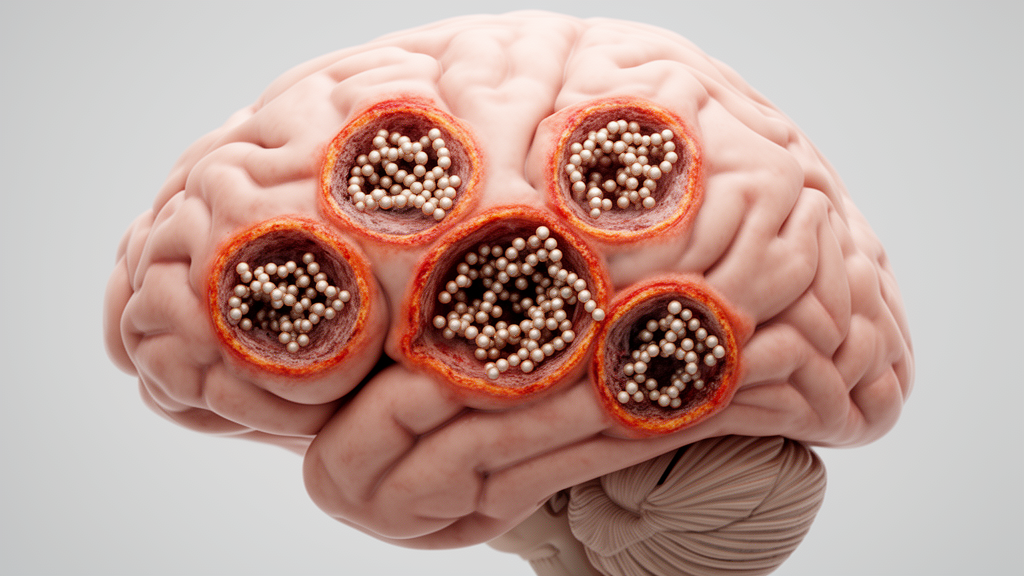
Brain abscesses, while rare in pediatric populations, represent a significant clinical challenge due to their potentially life-threatening nature. A new case report and systematic literature review highlights that Streptococcus intermedius (S. intermedius) serves as a primary pathogen associated with these intracranial infections in children. Although often associated with chronic underlying conditions or specific predisposing factors, the findings indicate that these infections can also occur in children who are otherwise immunocompetent and free from documented comorbidities.
The study, published in Frontiers in Pediatrics, details the clinical presentation of a 7-year-old boy in China who was diagnosed with multiple brain abscesses. The patient had no underlying disease, and multiple brain abscesses due to S. intermedius are rare in immunocompetent children without underlying diseases. To contextualize this individual case, the research team conducted a comprehensive screening of the PubMed database, identifying 42 pediatric patients who had previously been described in the English and French-language scientific literature as having brain abscesses linked to S. intermedius.
The researchers performed a systematic analysis of these cases to establish a broader clinical profile, evaluating patient baseline characteristics, clinical manifestations, diagnostic approaches, management strategies, and overall outcomes. This systematic review revealed a discernible male predominance among the children affected by S. intermedius-related brain abscesses.
A critical observation from the review is that the development of a brain abscess secondary to S. intermedius does not exclusively require the presence of chronic illness or traditional acute predisposing factors. This underscores the necessity for clinicians to maintain a high level of vigilance for indicative clinical symptoms, even in patients who appear otherwise healthy. The study authors emphasize that rapid identification of these symptoms is essential for enabling timely diagnosis and implementing comprehensive treatment plans.
Subject of Research: Clinical characteristics and pediatric incidence of brain abscesses secondary to Streptococcus intermedius infection.
Article Title: Clinical characteristics of brain abscesses secondary to Streptococcus intermedius in children: a case report and systematic literature review
Article References: Zhang, F., Liao, Q., Zhu, Y., & Zou, T. (2026). Clinical characteristics of brain abscesses secondary to Streptococcus intermedius in children: a case report and systematic literature review. Frontiers in Pediatrics, 14, Article 1909367. https://doi.org/10.3389/fped.2026.1909367
Image Credits: AI Generated
DOI: 10.3389/fped.2026.1909367
Keywords: Streptococcus intermedius, brain abscess, pediatrics, immunocompetent, systematic review, intracranial infection, pediatric infectious diseases, clinical presentation, neurological infection, case report, diagnostic vigilance, bacterial infection, Sichuan University West China Second University Hospital, pathogen analysis, pediatric prognosis
News Source: Ophelia Keating. (November 16, 2026). Multiple Brain Abscesses in Immunocompetent Children Linked to Streptococcus intermedius. Scienmag.