

• HOME
  • NEWS
  • EXPLORE
    • CAREER
      • Companies
      • Jobs
    • EVENTS
    • iGEM
      • News
      • Team
    • PHOTOS
    • VIDEO
    • WIKI
  • BLOG
  • COMMUNITY
    • FACEBOOK
    • INSTAGRAM
    • TWITTER
Saturday, September 5, 2026
BIOENGINEER.ORG
No Result
View All Result
  • Login
  • HOME
  • NEWS
  • EXPLORE
    • CAREER
      • Companies
      • Jobs
        • Lecturer
        • PhD Studentship
        • Postdoc
        • Research Assistant
    • EVENTS
    • iGEM
      • News
      • Team
    • PHOTOS
    • VIDEO
    • WIKI
  • BLOG
  • COMMUNITY
    • FACEBOOK
    • INSTAGRAM
    • TWITTER
  • HOME
  • NEWS
  • EXPLORE
    • CAREER
      • Companies
      • Jobs
        • Lecturer
        • PhD Studentship
        • Postdoc
        • Research Assistant
    • EVENTS
    • iGEM
      • News
      • Team
    • PHOTOS
    • VIDEO
    • WIKI
  • BLOG
  • COMMUNITY
    • FACEBOOK
    • INSTAGRAM
    • TWITTER
No Result
View All Result
Bioengineer.org
No Result
View All Result
Home NEWS Science News Biology

Moving fish farms enables seagrass meadows to thrive, study shows

Bioengineer by Bioengineer
July 12, 2018
in Biology
Reading Time: 2 mins read
0
Share on FacebookShare on TwitterShare on LinkedinShare on RedditShare on Telegram
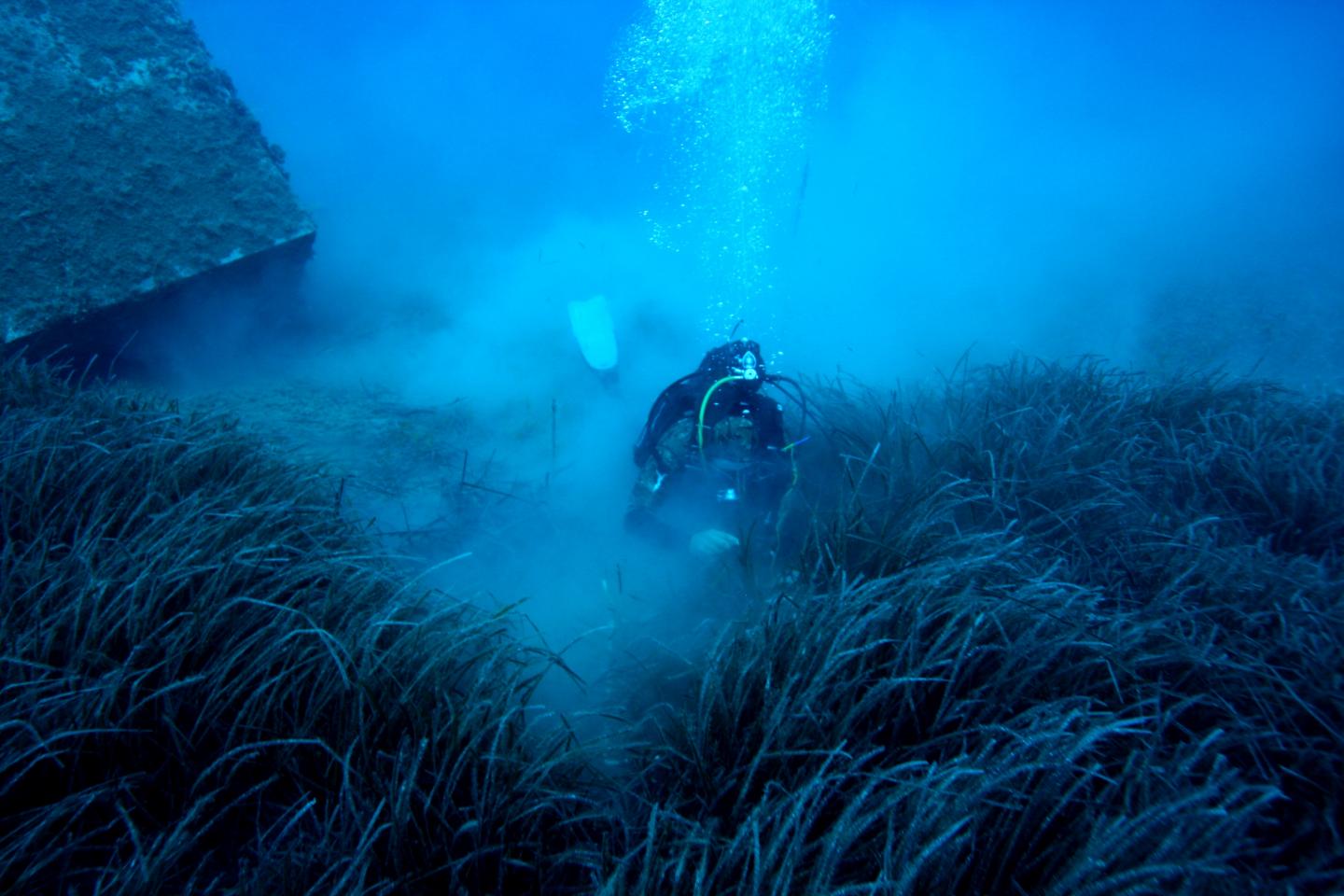
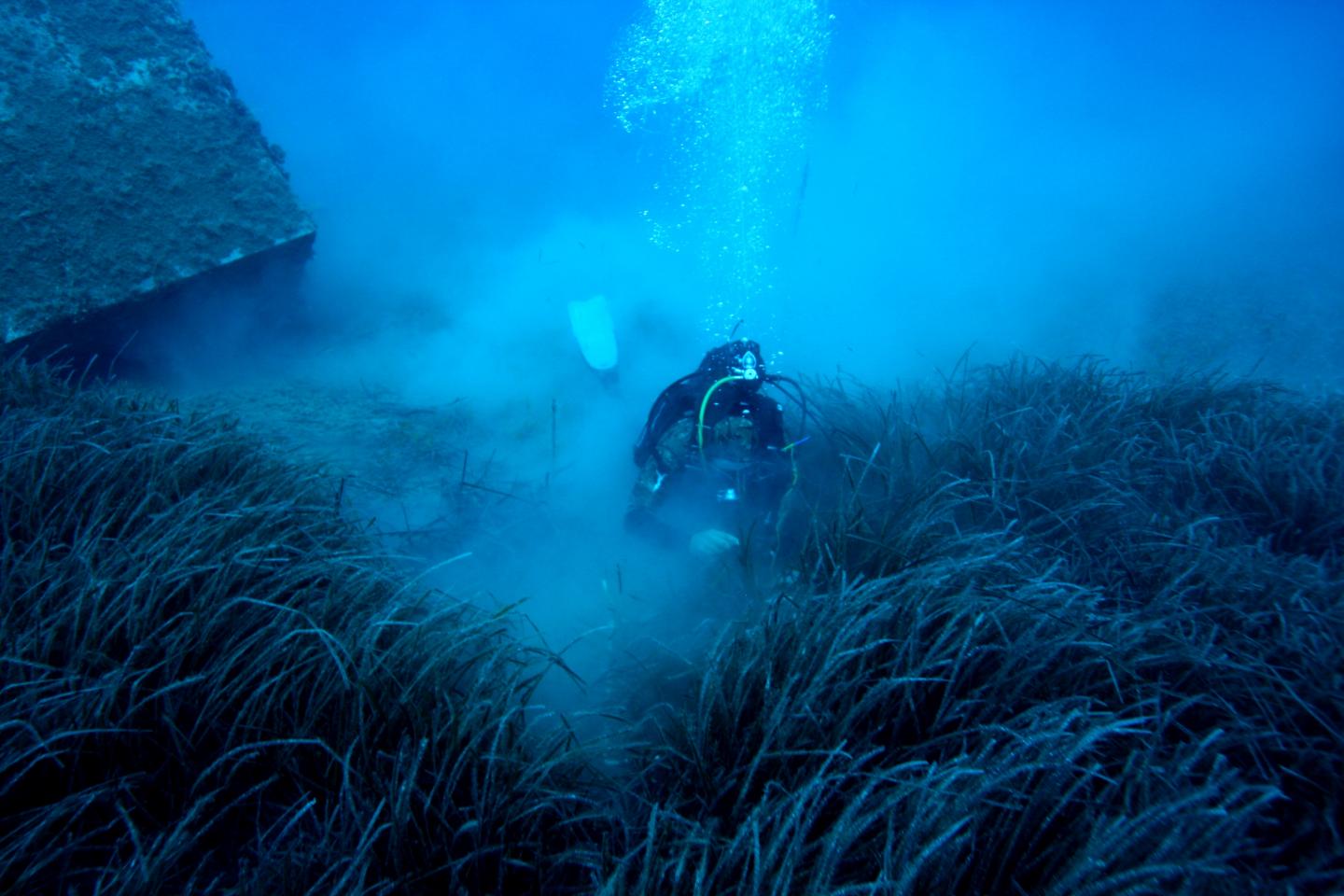
IMAGE

Credit: Demetris Kletou/University of Plymouth

Commercial fish farms should be moved away from seagrass meadows in order for both to thrive in the future, according to new research.

The meadows boost human well-being and the economies of coastal communities, but waste material from finfish aquaculture is known to have damaged seagrass populations worldwide.

However, off the coast of Cyprus in the Mediterranean Sea, many fish farms have been moved into deeper waters – and on the seabeds beneath their previous locations, the meadows are flourishing once again.

In a paper in Marine Environmental Research, researchers say this could be a positive example of how to work elsewhere in the world.

The study was led by University of Plymouth PhD student Demetris Kletou and Research Assistant Periklis Kleitou, who also both work at MER in Cyprus. It also involved Professor of Marine Biology Jason Hall-Spencer and Professor of Marine Ecology Martin Attrill.

It focused on beds of Posidonia oceanica, which form one of the most important but endangered coastal ecosystems in the Mediterranean.

When fish farming began around Cyprus in the mid-1990s, cages were moored above the seagrass beds, but as production expanded they were moved into deeper waters.

To assess the impact of this, scientists established four observation sites near major fish farms that had recently relocated, taking a series of measurements over the space of five years at 11 fixed plots within each site.

These looked at the percentage of seagrass coverage, shoot density, the percentage of plagiotropic rhizomes, shoot exposure, leaf morphometry, and sediment organic matter content and grain size.

The results showed seagrass limits had progressed at all the sites at between 1.2cm and 9cm per year. Declines were most pronounced at a site closest to the city of Limassol, and were down to other environmental factors given it was the furthest away from fish farming activities.

Demetris Kletou said: "Seagrass structural descriptors are highly variable even at small spatial scales within the same meadow. The use of fixed plot methods allows reliable and effective microscale monitoring of seagrass meadows from the same positions using standardised methodologies, has high statistical power, and their use should be encouraged and widely adopted in generic ecosystem monitoring."

Professor Hall-Spencer added: "It is vital we understand and protect such an iconic and important marine plant, as it may be critical to the survival of the species throughout the Mediterranean. This research shows that sensible management of aquaculture practices can help us farm food sustainably, and boost the blue economy, at the same time as securing healthy coastal ecosystems. It also helps us understand the ecology of seagrass at its upper thermal limits, as it has always been something of a mystery as to how Posidonia is doing so well in Cyprus's high summer temperatures."

###

Media Contact

Alan Williams
[email protected]
44-175-258-8004
@PlymUni

http://www.plymouth.ac.uk

Original Source

https://www.plymouth.ac.uk/news/moving-fish-farms-enables-seagrass-meadows-to-thrive-study-shows http://dx.doi.org/10.1016/j.marenvres.2018.06.007


Share12Tweet8Share2ShareShareShare2

Related Posts

Leaf cutting triggers dynamic flavonoid shifts in Isatis indigotica roots

Leaf cutting triggers dynamic flavonoid shifts in Isatis indigotica roots

September 5, 2026
Vitamin D Alters DNA Repair Machinery in Systemic Sclerosis Patients

Vitamin D Alters DNA Repair Machinery in Systemic Sclerosis Patients

September 5, 2026

Genome sequencing reveals chromosomal fusion behind early XY sex chromosome evolution in catfish

September 5, 2026

Early-life stress and teen alcohol alter rat behavior and brain lipids by sex

September 5, 2026
Please login to join discussion

POPULAR NEWS

  • Severe Hypoglycemia and Impaired Awareness Diminish Quality of Life in CGM Users

    29 shares
    Share 12 Tweet 7
  • Women caregivers’ knowledge and attitudes toward breast and cervical cancer screening in India

    29 shares
    Share 12 Tweet 7
  • Vitamin D supplements lower insulin needs in youth with type 1 diabetes

    29 shares
    Share 12 Tweet 7
  • Quercetin-stabilized gold nanoparticles show promise against bacteria, inflammation, and cancer

    29 shares
    Share 12 Tweet 7

About

We bring you the latest biotechnology news from best research centers and universities around the world. Check our website.

Follow us

Recent News

Severe Hypoglycemia and Impaired Awareness Diminish Quality of Life in CGM Users

Women caregivers’ knowledge and attitudes toward breast and cervical cancer screening in India

Vitamin D supplements lower insulin needs in youth with type 1 diabetes

Subscribe to Blog via Email

Enter your email address to subscribe to this blog and receive notifications of new posts by email.

Join 85 other subscribers
  • Contact Us

Bioengineer.org © Copyright 2023 All Rights Reserved.

Welcome Back!

Login to your account below

Forgotten Password?

Retrieve your password

Please enter your username or email address to reset your password.

Log In
No Result
View All Result
  • Homepages
    • Home Page 1
    • Home Page 2
  • News
  • National
  • Business
  • Health
  • Lifestyle
  • Science

Bioengineer.org © Copyright 2023 All Rights Reserved.
