Credit: ATS
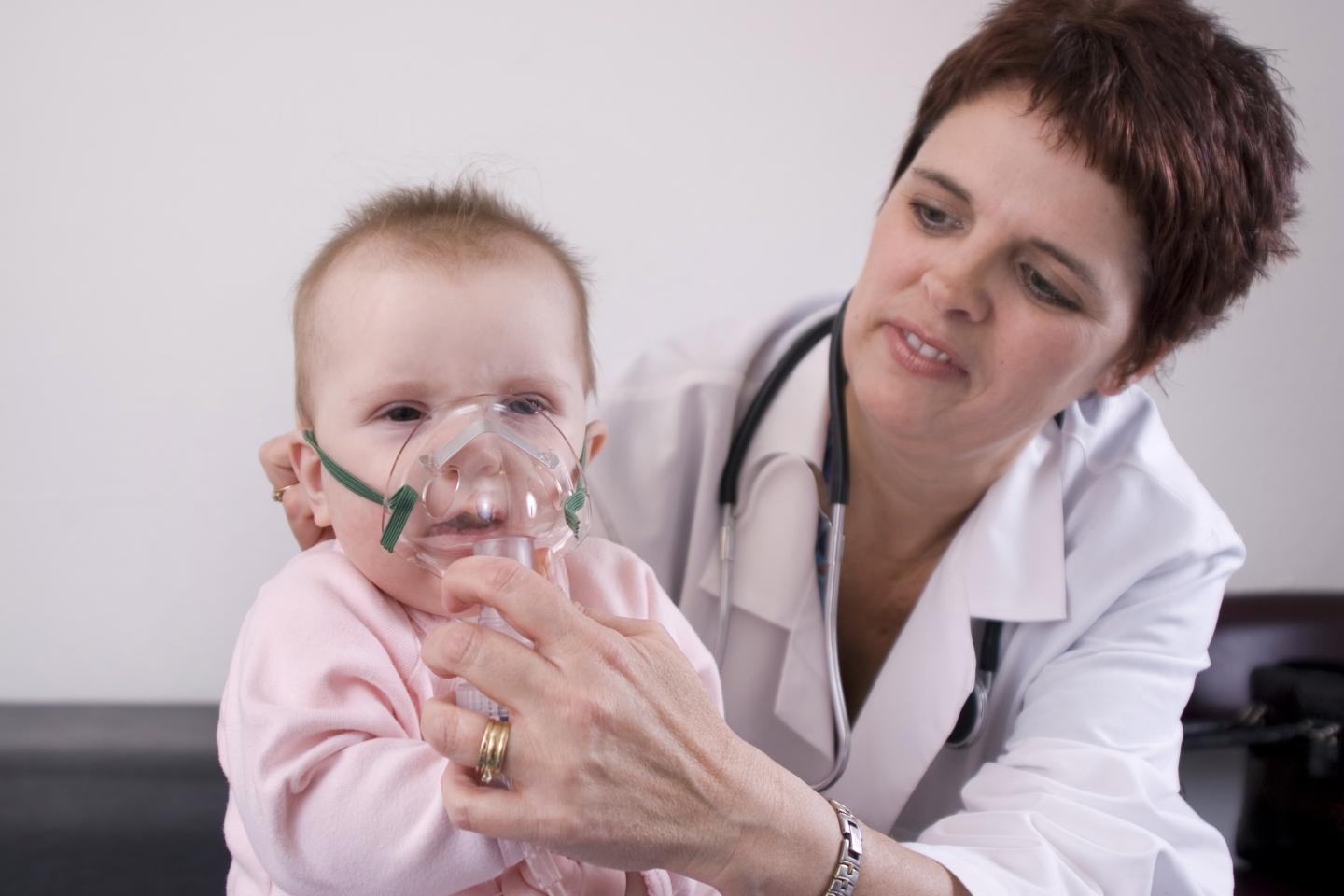
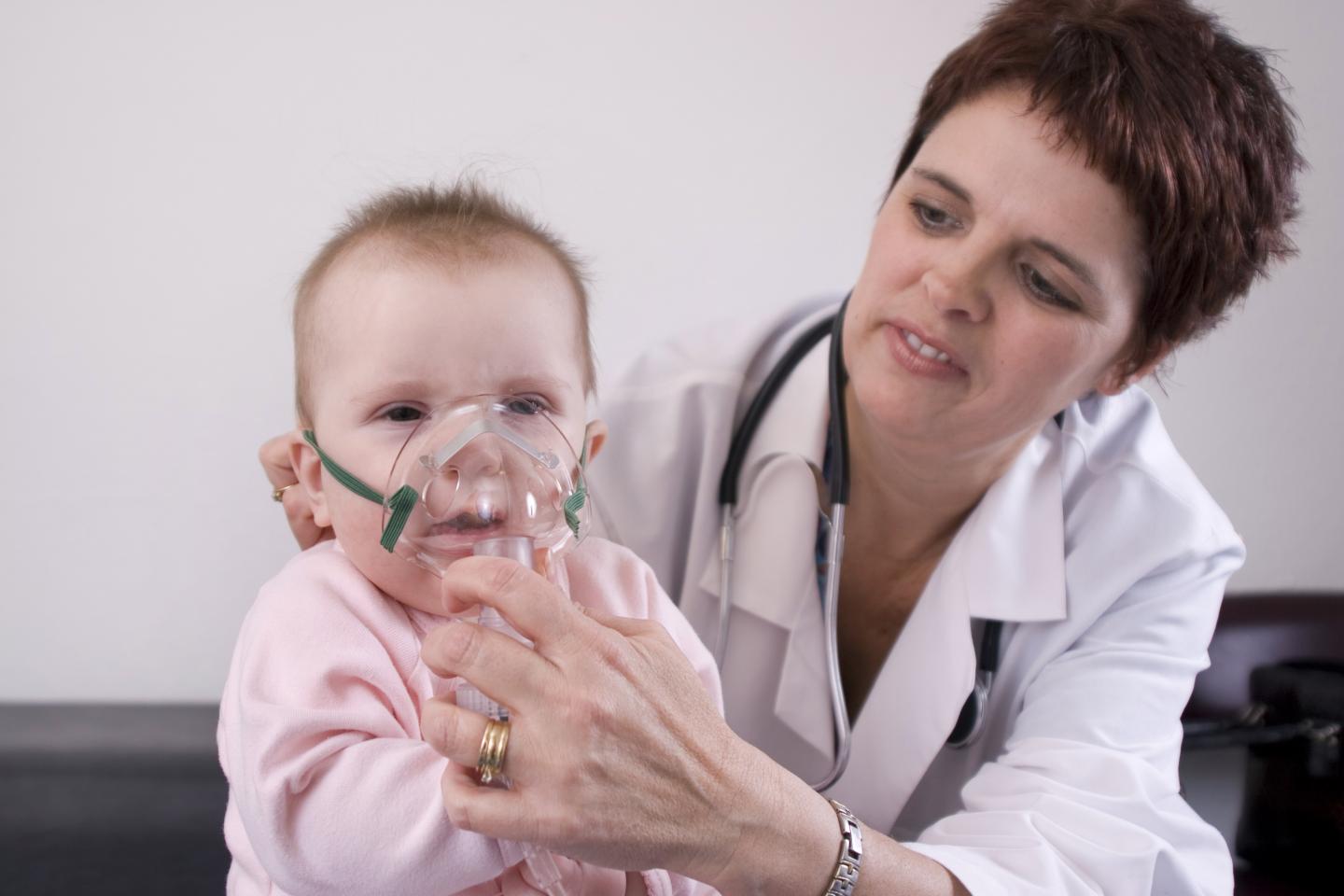
Feb. 3, 2017 — Preterm babies given the monoclonal antibody palivizumab to prevent respiratory syncytial virus (RSV) also appear less likely to develop recurrent wheeze, at least until the age of six, according to new research published online, ahead of print in the American Thoracic Society's American Journal of Respiratory and Critical Medicine.
In "Palivizumab Prophylaxis in Preterm Infants and Subsequent Recurrent Wheezing: 6 Year Follow-up Study," researchers report on multicenter case-control study of 444 Japanese infants born at 33-35 weeks gestation. The primary goal of the study was to determine if palivizumab prophylaxis would prevent the onset of atopic asthma. The drug did not, but it did significantly reduce physician-diagnosed recurrent wheezing up to six years of age.
"Our findings suggests two independent phenotypes of recurrent wheezing in young children: one that is dependent and one that is independent of RSV lower respiratory infection," said lead study author Hiroyuki Mochizuki, MD, PhD, professor and chairman of pediatrics at Tokai University in Japan.
The researchers found that infants who received at least three doses of palivizumab according to standard medical practice had about half the incidence of physician-diagnosed wheeze by age 6, compared to those who did not receive the drug (15.3 percent vs. 31.6 percent).
A strength of the study was that it was long-term prospective study in 52 centers with a high follow-up rate. The latter was achieved using an innovative method involving QR codes on mobile phones for photographing physician documentation of wheezing during outpatient and inpatient visits.
Study limitations include potential bias due to nonrandomized design. The authors noted that there were only minimal differences in family history of asthma, birth weight and gestational age among those who were treated and those who were not. Children in the untreated group, however, were more likely to live in a home with a smoker and have a family member with a history of allergy — factors that would increase wheezing.
"These results suggest that atopic asthma in children up to age six is probably not due to RSV, but a significant proportion of recurrent wheeze is," Dr. Mochizuki said.
"Long-term observation of these subjects is planned to consider the impact of RSV infection on lung function in later life."
###
Share via Twitter
"#Preterm babies may develop less wheeze later in life if given monoclonal antibody palivizumab at birth."
Follow Us
ATS – @atscommunity
AJRCCM – @ATSBlueEditor
About the American Journal of Respiratory and Critical Care Medicine (AJRCCM):
The AJRCCM is a peer-reviewed journal published by the American Thoracic Society. The Journal takes pride in publishing the most innovative science and the highest quality reviews, practice guidelines and statements in pulmonary, critical care and sleep medicine. With an impact factor of 12.996, it is the highest ranked journal in pulmonology. Editor: Jadwiga Wedzicha, MD, professor of respiratory medicine at the National Heart and Lung Institute (Royal Brompton Campus), Imperial College London, UK.
About the American Thoracic Society:
Founded in 1905, the American Thoracic Society is the world's leading medical association dedicated to advancing pulmonary, critical care and sleep medicine. The Society's 15,000 members prevent and fight respiratory disease around the globe through research, education, patient care and advocacy. The ATS publishes three journals, the American Journal of Respiratory and Critical Care Medicine, the American Journal of Respiratory Cell and Molecular Biology and the Annals of the American Thoracic Society.
The ATS will hold its 2017 International Conference, May 19-24, in Washington, DC, where world-renowned experts will share the latest scientific research and clinical advances in pulmonary, critical care and sleep medicine.
Media Contact
Dacia Morris
[email protected]
212-315-8620
@atscommunity
http://www.thoracic.org