• HOME
  • NEWS
  • EXPLORE
    • CAREER
      • Companies
      • Jobs
    • EVENTS
    • iGEM
      • News
      • Team
    • PHOTOS
    • VIDEO
    • WIKI
  • BLOG
  • COMMUNITY
    • FACEBOOK
    • INSTAGRAM
    • TWITTER
Sunday, November 29, 2026
BIOENGINEER.ORG
No Result
View All Result
  • Login
  • HOME
  • NEWS
  • EXPLORE
    • CAREER
      • Companies
      • Jobs
        • Lecturer
        • PhD Studentship
        • Postdoc
        • Research Assistant
    • EVENTS
    • iGEM
      • News
      • Team
    • PHOTOS
    • VIDEO
    • WIKI
  • BLOG
  • COMMUNITY
    • FACEBOOK
    • INSTAGRAM
    • TWITTER
No Result
View All Result
Bioengineer.org
No Result
View All Result
Home NEWS Science News Technology

Molecular Engineering Framework Links Polysaccharide Aerogel Structure to Wound Healing

by
November 28, 2026
in Technology
Reading Time: 2 mins read
0
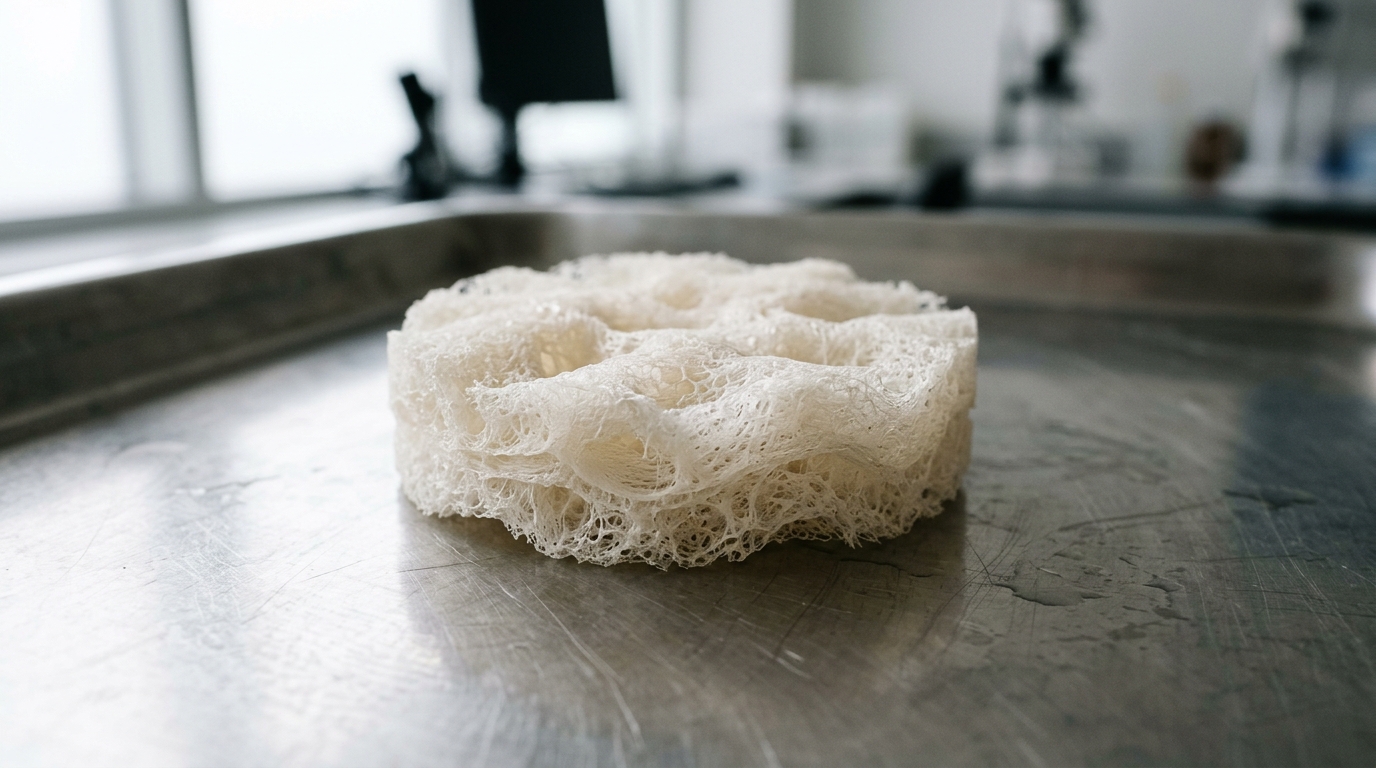
Molecular Engineering Framework Links Polysaccharide Aerogel Structure to Wound Healing

Molecular Engineering Framework Links Polysaccharide Aerogel Structure to Wound Healing

Share on FacebookShare on TwitterShare on LinkedinShare on RedditShare on Telegram

A comprehensive review in the Journal of Materials Science establishes a molecular engineering framework connecting polysaccharide chemistry and aerogel network architecture directly to wound-healing outcomes. The analysis addresses chronic and non-healing wounds, which remain a major clinical challenge characterized by persistent inflammation, bacterial infection, excessive exudate, oxidative stress, and impaired tissue regeneration. Because conventional wound dressings often fail to satisfy these complex pathological requirements, bioinspired polysaccharide aerogels offer promising solutions by integrating porous three-dimensional architectures with the bioactivity, biocompatibility, and chemical versatility of natural carbohydrates.

However, the authors observe that existing biomaterial research primarily describes individual polysaccharide fabrication techniques and concentrates on optimizing isolated structural properties, such as porosity. The reproducibility, clinical translation, and rational design of these dressings are currently hampered by the absence of an integrated framework that connects molecular architecture, network structure, and biological performance.

To establish shared molecular design principles across diverse biomaterials, the review systematically examines nine natural carbohydrate polymers. These include chitosan, cellulose, alginate, hyaluronic acid, dextran, starch, pectin, agarose, and carrageenan.

The review analyzes several essential biological processes that govern tissue repair, focusing on protein adsorption, cell–material interactions, immune modulation, inflammation regulation, and angiogenesis.

These biological performance metrics are evaluated in relation to key structural parameters, including monosaccharide composition, glycosidic linkage, molecular weight, crosslinking density, hierarchical pore architecture, and surface functionality.

The authors also delineate several critical barriers that currently impede the clinical translation of polysaccharide aerogels. Major challenges include limited quantitative models linking molecular architecture with biological outcomes, an insufficient mechanistic understanding of structure–immune interactions, and inadequate long-term and in vivo validation studies needed to confirm performance in living systems.

To overcome these translation obstacles, the review highlights emerging strategies, including stimuli-responsive aerogels, patient-specific wound dressings, machine learning-assisted optimization, data-driven biomaterial design, and multifunctional bioactive systems. Together, these technological developments and the proposed engineering framework support the mechanism-informed design of polysaccharide aerogels tailored to the specific conditions of chronic wounds.

Subject of Research: Molecular engineering of polysaccharide aerogels for wound healing

Article Title: Bioinspired polysaccharide aerogels for advanced wound healing: molecular engineering and structure–property–function relationships

Article References: Fatemi, K., Sofian, Z. M., Kumar, M., Ahmad, N., Aramwit, P., & Mahmood, S. (2026). Bioinspired polysaccharide aerogels for advanced wound healing: molecular engineering and structure–property–function relationships. Journal of Materials Science. https://doi.org/10.1007/s10853-026-14212-7

Image Credits: AI Generated

DOI: 10.1007/s10853-026-14212-7

Keywords: polysaccharide aerogels, wound healing, chronic wounds, molecular engineering, chitosan, cellulose, alginate, hyaluronic acid, dextran, pectin, carrageenan, angiogenesis, immune modulation, crosslinking density, pore architecture, stimuli-responsive aerogels, biomaterial design, tissue regeneration

News Source: Denise Maddox. (November 28, 2026). Molecular Engineering Framework Links Polysaccharide Aerogel Structure to Wound Healing. Scienmag.

Tags: alginateangiogenesisbiomaterial designcarrageenancellulosechitosanchronic woundscrosslinking densitydextranhyaluronic acidImmune ModulationMolecular Engineeringpectinpolysaccharide aerogelspore architecturestimuli-responsive aerogelstissue regenerationWound Healing
Share12Tweet7Share2ShareShareShare1

Related Posts

Graphene-Supported Cobalt Sulfide Heterostructure Boosts Reaction Kinetics in Lithium-Ion Capacitors

Graphene-Supported Cobalt Sulfide Heterostructure Boosts Reaction Kinetics in Lithium-Ion Capacitors

November 29, 2026
Mathematicians Extend Classical Complex Analysis Theorems to General Metric Measure Spaces

Mathematicians Extend Classical Complex Analysis Theorems to General Metric Measure Spaces

November 29, 2026

Deep Learning Framework Outperforms Classical Econometric Models in Vietnam Volatility Forecasting

November 29, 2026

Benchmarking Framework Identifies Optimal Real-Time Scheduling Algorithms for Automated Guided Vehicles

November 29, 2026

POPULAR NEWS

  • Rural Nepal Adolescents Show High Abortion Support but Low Pregnancy Knowledge

    Rural Nepal Adolescents Show High Abortion Support but Low Pregnancy Knowledge

    29 shares
    Share 12 Tweet 7
  • Two Cases Detail Opposing Trajectories of Severe Hepatic Injury in HELLP Syndrome

    29 shares
    Share 12 Tweet 7
  • Treatment Access Pathway Associated with Progression-Free Survival in Metastatic Breast Cancer

    29 shares
    Share 12 Tweet 7
  • Malnutrition Double Burden Among Nigerian Mother–Child Dyads Fell in 2024

    29 shares
    Share 12 Tweet 7

About

We bring you the latest biotechnology news from best research centers and universities around the world. Check our website.

Follow us

Recent News

Graphene-Supported Cobalt Sulfide Heterostructure Boosts Reaction Kinetics in Lithium-Ion Capacitors

Language Models Show Drug Safety Potential but Lack Autonomous Deployment Readiness

Study Identifies Clinical and Dosimetric Predictors of Chemoradiotherapy Myelosuppression in Pelvic Cancers

Subscribe to Blog via Email

Enter your email address to subscribe to this blog and receive notifications of new posts by email.

Join 90 other subscribers
  • Contact Us

Bioengineer.org © Copyright 2023 All Rights Reserved.

Welcome Back!

Login to your account below

Forgotten Password?

Retrieve your password

Please enter your username or email address to reset your password.

Log In
No Result
View All Result
  • Homepages
    • Home Page 1
    • Home Page 2
  • News
  • National
  • Business
  • Health
  • Lifestyle
  • Science

Bioengineer.org © Copyright 2023 All Rights Reserved.