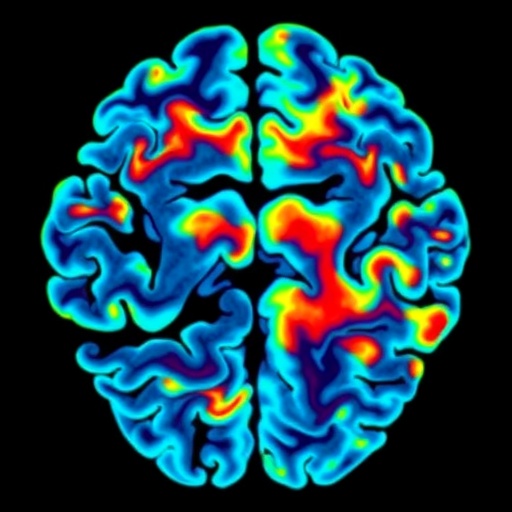
Down syndrome has long been recognized as one of the most predictable models of Alzheimer’s disease in all of medicine, yet a sweeping new autopsy study reveals that the story is far more complicated than researchers once believed. In the largest systematic analysis of its kind, a team of neuropathologists and neuroscientists affiliated with the University of California Alzheimer’s Disease Research Centers, the University of Kentucky ADRC, and the Alzheimer’s Biomarker Consortium–Down Syndrome examined postmortem brain tissue from 63 adults with Down syndrome aged 40 and older. Their findings, published in Acta Neuropathologica, demonstrate that Alzheimer’s pathology almost never travels alone in this population. Instead, a diverse constellation of co-pathologies — including cerebral amyloid angiopathy, Lewy body disease, TDP-43 proteinopathy, and hippocampal sclerosis — accumulates alongside the expected amyloid plaques and neurofibrillary tangles, potentially reshaping the trajectory of cognitive decline in ways that pure amyloid models cannot explain.
The genetic logic behind Down syndrome’s connection to Alzheimer’s has always seemed elegantly simple. The amyloid precursor protein gene, or APP, resides on chromosome 21. When individuals inherit three copies of that chromosome rather than the standard two, they produce excess amyloid-beta throughout life, driving a cascade of protein misfolding that culminates in near-universal Alzheimer’s disease neuropathological change by age 40. Most develop clinical dementia by their early fifties. That predictability has made the Down syndrome community an invaluable window into Alzheimer’s biology and a critical testing ground for therapeutic interventions. But the new research complicates that narrative in an important way: even in a population genetically destined to accumulate amyloid, the actual neuropathological landscape is remarkably heterogeneous, and a small subset of individuals appears to resist the disease altogether despite carrying the same genetic burden.
Led by Lisi Flores-Aguilar and Elizabeth Head at the University of California, Irvine, alongside Thomas Zaikos and collaborators spanning multiple institutions, the research team systematically characterized Alzheimer’s disease neuropathological change and its common co-pathologies using standardized National Alzheimer’s Coordinating Center neuropathology forms. Board-certified neuropathologists, blinded to clinical status, evaluated gross findings, amyloid and tau pathology, cerebrovascular disease, alpha-synuclein aggregates, TDP-43 immunoreactivity, and hippocampal sclerosis across a cohort assembled from autopsy collections spanning 2002 to 2023. The rigor of this approach — with harmonized data collection across sites and consistent scoring criteria — addresses a long-standing gap in the field, where prior studies of co-pathology in Down syndrome were limited by small samples and inconsistent assessment methods.
What the team found challenges the assumption that Down syndrome represents a “pure” model of Alzheimer’s disease. Among the 63 individuals studied, pure Alzheimer’s neuropathological change — meaning the absence of any significant co-pathology — was present in only 29 percent of cases. The remaining 71 percent carried at least one additional neurodegenerative or vascular insult layered on top of their amyloid and tau burden. Cerebral amyloid angiopathy, the deposition of amyloid-beta within blood vessel walls of the brain, was by far the most common companion pathology, affecting approximately 84 percent of individuals. This vascular amyloid burden, which can compromise the integrity of cerebral blood vessels and contribute to microbleeds and hemorrhages, has emerged as an increasingly recognized factor in Alzheimer’s progression across populations. In Down syndrome, where amyloid overproduction is lifelong and robust, it appears that the vasculature bears a particularly heavy burden.
Beyond vascular amyloid, the study documented Lewy pathology — aggregates of alpha-synuclein protein classically associated with Parkinson’s disease — in 21 percent of individuals. Hippocampal sclerosis, a condition marked by severe neuronal loss and scarring in the hippocampus that can independently cause dementia, was present in 19 percent. Limbic-predominant age-related TDP-43 encephalopathy neuropathological change, or LATE-NC, a recently formalized diagnosis involving misfolded TDP-43 protein in older adults, was identified in 17 percent. By contrast, atherosclerosis and arteriolosclerosis — the narrowing and hardening of larger and smaller blood vessels, respectively — were relatively infrequent findings in this cohort, suggesting that cerebrovascular health in Down syndrome may be differently affected than in typical aging populations where those vascular diseases are common drivers of cognitive impairment.
Perhaps the most provocative finding emerged when the researchers compared individuals who had been diagnosed with dementia during life to the rare subset who remained cognitively stable until death. Only 8 of the 63 individuals fell into the latter category, making this one of the largest comparisons of its kind. Those without dementia had significantly heavier brains — averaging 1,060 grams compared to 900 grams in the dementia group, a difference that reached high statistical significance. They also showed markedly less severe hippocampal atrophy and less hypopigmentation of the locus coeruleus, a brainstem nucleus rich in norepinephrine that is among the earliest structures affected in Alzheimer’s disease. Advanced Braak neurofibrillary tangle stage, frequent neuritic plaques, and high-level Alzheimer’s neuropathological change were all significantly more prevalent in those with dementia. Critically, LATE-NC and hippocampal sclerosis appeared exclusively in the dementia group, suggesting that these co-pathologies may act as tipping points that push individuals with existing amyloid and tau pathology over the threshold into overt cognitive decline.
The concept of resilience and resistance in Alzheimer’s disease has gained substantial traction in recent years, particularly in studies of exceptionally long-lived individuals who harbor substantial pathology without cognitive impairment. The new findings extend this framework to Down syndrome, where the genetic determinism of amyloid accumulation would seem to preclude any escape from the disease. Yet the study’s authors note that a small subset of individuals with Down syndrome remains cognitively stable throughout their lifespans, and that premorbid intellectual disability level does not correlate with the timing or trajectory of Alzheimer’s biomarker changes. This observation implies that factors beyond baseline cognitive reserve are at play — potentially involving genetic modifiers, vascular health, inflammatory signaling, or the presence or absence of specific co-pathologies that either buffer or accelerate the clinical consequences of amyloid and tau accumulation.
The clinical implications of this work are substantial. Therapeutic trials in Down syndrome have traditionally focused on reducing amyloid burden, an approach that has yielded disappointing results in the broader Alzheimer’s population. If co-pathologies such as cerebral amyloid angiopathy, Lewy pathology, TDP-43 proteinopathy, and hippocampal sclerosis are common drivers of dementia in Down syndrome — as this study strongly suggests — then combination approaches targeting multiple protein aggregation pathways simultaneously, or strategies that protect the cerebrovasculature, may prove more effective than amyloid alone. The finding that hippocampal sclerosis and LATE-NC occur exclusively in those with dementia raises the possibility that screening for these pathologies during life, perhaps through emerging cerebrospinal fluid or imaging biomarkers for TDP-43 and hippocampal integrity, could help identify individuals at greatest risk and stratify them into appropriate therapeutic trials.
The study also carries important implications for how researchers conceptualize dementia in Down syndrome more broadly. Rather than viewing the condition as a single-disease process driven inevitably by amyloid overproduction, the findings support a model in which dementia emerges from the convergence and interaction of multiple pathological processes — a perspective increasingly embraced in the general aging population but not previously documented with this level of rigor in Down syndrome. The standardized NACC neuropathology forms used here allowed the team to harmonize data across autopsy sites and form versions, creating a template for future large-scale neuropathological studies that could further illuminate the relationships between co-pathologies and clinical outcomes in this uniquely vulnerable and uniquely informative population.
As the Down syndrome community continues to age and as life expectancy for individuals with the condition now regularly extends into the sixties and beyond, understanding the full neuropathological landscape of Alzheimer’s disease in this group becomes increasingly urgent. The new study provides the most comprehensive portrait to date of what actually happens inside the brains of adults with Down syndrome who develop dementia — and, crucially, of those who do not. Whether the protective factors that allow some individuals to remain cognitively intact despite overwhelming genetic risk can be identified and therapeutically harnessed remains an open question, but this research lays essential groundwork by demonstrating that co-pathologies are not incidental findings in Down syndrome. They are central features of the disease process, and they may hold the key to understanding why some brains succumb to Alzheimer’s while others, remarkably, endure.
Subject of Research: People
Subject of Research: Medicine
Article Title: Frequency of mixed neuropathologies in individuals with Down syndrome with and without Alzheimer’s dementia
Article References: Flores-Aguilar, L., Zaikos, T. D., Rivera, I., Wright, S. T., Lou, J., Gawronski, B., Gonzalez, L., Berry, J. V., Rouanet, J., Edwards, N. C., Hoang, D. K., Wood, K., Granholm, A.-C., Mufson, E. J., Monuki, E. S., Ikonomovic, M. D., Kofler, J., Doran, E. W., Lott, I. T., … for the Alzheimer’s Biomarker Consortium-Down syndrome (ABC-DS) (2026). Frequency of mixed neuropathologies in individuals with Down syndrome with and without Alzheimer’s dementia. Acta Neuropathologica, 151(1), Article 55. https://doi.org/10.1007/s00401-026-03028-z
Image Credits: AI Generated
DOI: 10.1007/s00401-026-03028-z
Keywords: Down syndrome, Alzheimer’s disease, co-pathologies, cerebral amyloid angiopathy, Lewy pathology, LATE-NC, hippocampal sclerosis, TDP-43, resilience, resistance, dementia, neuropathology, amyloid-beta, tau, neurofibrillary tangles
Cite Scienmag News
APA
MLA
Chicago
Cassandra Pierce. (August 30, 2026). Mixed brain pathologies common in Down syndrome regardless of Alzheimer’s status. Scienmag. https://scienmag.com/mixed-brain-pathologies-common-in-down-syndrome-regardless-of-alzheimers-status/
Cassandra Pierce. “Mixed brain pathologies common in Down syndrome regardless of Alzheimer’s status.” Scienmag, 30 August 2026, https://scienmag.com/mixed-brain-pathologies-common-in-down-syndrome-regardless-of-alzheimers-status/. Accessed 30 August 2026.
Cassandra Pierce. “Mixed brain pathologies common in Down syndrome regardless of Alzheimer’s status.” Scienmag. August 30, 2026. https://scienmag.com/mixed-brain-pathologies-common-in-down-syndrome-regardless-of-alzheimers-status/
Copy citation
Download RIS
Tags: amyloid plaques and neurofibrillary tanglesautopsy studies of Down syndrome brainscerebral amyloid angiopathy in Down syndromeco-occurring brain pathologiesco-occurring brain pathologies in Down syndromecomplexity of Alzheimer’s progression in Down syndromediverse neurodegenerative co-pathologiesDown syndrome and Alzheimer’s diseasegenetic basis of Alzheimer’s in Down syndromehippocampal sclerosis in Down syndromeimpact of mixed brain pathologies on cognitive declineimpact of multiple brain pathologies on cognitive declineLewy body disease in Down syndromeneuropathological analysis of Down syndrome brainspostmortrole of chromosome 21 in Alzheimerrole of chromosome 21 in Alzheimer’s pathologyTDP-43 proteinopathy in Down syndrome