• HOME
  • NEWS
  • EXPLORE
    • CAREER
      • Companies
      • Jobs
    • EVENTS
    • iGEM
      • News
      • Team
    • PHOTOS
    • VIDEO
    • WIKI
  • BLOG
  • COMMUNITY
    • FACEBOOK
    • INSTAGRAM
    • TWITTER
Friday, May 15, 2026
BIOENGINEER.ORG
No Result
View All Result
  • Login
  • HOME
  • NEWS
  • EXPLORE
    • CAREER
      • Companies
      • Jobs
        • Lecturer
        • PhD Studentship
        • Postdoc
        • Research Assistant
    • EVENTS
    • iGEM
      • News
      • Team
    • PHOTOS
    • VIDEO
    • WIKI
  • BLOG
  • COMMUNITY
    • FACEBOOK
    • INSTAGRAM
    • TWITTER
  • HOME
  • NEWS
  • EXPLORE
    • CAREER
      • Companies
      • Jobs
        • Lecturer
        • PhD Studentship
        • Postdoc
        • Research Assistant
    • EVENTS
    • iGEM
      • News
      • Team
    • PHOTOS
    • VIDEO
    • WIKI
  • BLOG
  • COMMUNITY
    • FACEBOOK
    • INSTAGRAM
    • TWITTER
No Result
View All Result
Bioengineer.org
No Result
View All Result
Home NEWS Science News Chemistry

Microwaves power new technology for batteries, energy

Bioengineer by Bioengineer
April 22, 2020
in Chemistry
Reading Time: 2 mins read
0
IMAGE
Share on FacebookShare on TwitterShare on LinkedinShare on RedditShare on Telegram

IMAGE

Credit: Vilas Pol/Purdue University

WEST LAFAYETTE, Ind. – New battery technology involving microwaves may provide an avenue for renewable energy conversion and storage.

Purdue University researchers created a technique to turn waste polyethylene terephthalate, one of the most recyclable polymers, into components of batteries.

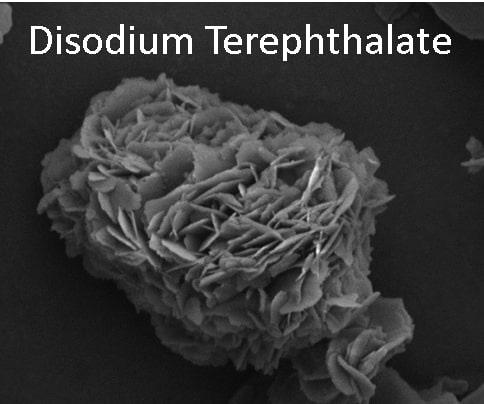
“We use an ultrafast microwave irradiation process to turn PET, or polyethylene terephthalate, flakes into disodium terephthalate, and use that as battery anode material,” said Vilas Pol, a Purdue associate professor of chemical engineering who has worked with the Purdue Research Foundation Office of Technology Commercialization to develop several battery technologies. “We are helping to address the growth in the proliferation of renewable energy conversion and storage, which stems from the societal attention and increasing awareness of climate change and energy resource limitation.”

The Purdue team tried the approach with both lithium-ion and sodium-ion battery cells. They worked with researchers from the Indian Institute of Technology and Tufts University. The battery technology is presented in the journal ACS Sustainable Chemistry & Engineering.

Pol said that while lithium-ion technology is currently dominating both the portable electronics and electric vehicles market, sodium-ion battery research also has gained significant attention due to its low cost and appealing electrochemical performance in grid applications.

“The applicability of the microwave technique on organic reactions has gained attention in recent times due to its advantage of the rapid reaction process,” Pol said. “We have accomplished the complete conversion of PET to disodium terephthalate within 120 seconds, in a typical household microwave setup.”

Pol said the materials used in the Purdue technology are low-cost, sustainable and recyclable.

###

For more information on licensing and other opportunities with Pol’s battery technologies, contact OTC at [email protected].

About Purdue Research Foundation Office of Technology Commercialization

The Purdue Research Foundation Office of Technology Commercialization operates one of the most comprehensive technology transfer programs among leading research universities in the U.S. Services provided by this office support the economic development initiatives of Purdue University and benefit the university’s academic activities through commercializing, licensing and protecting Purdue intellectual property. The office recently moved into the Convergence Center for Innovation and Collaboration in Discovery Park District, adjacent to the Purdue campus. The office is managed by the Purdue Research Foundation, which received the 2019 Innovation and Economic Prosperity Universities Award for Place from the Association of Public and Land-grant Universities. The Purdue Research Foundation is a private, nonprofit foundation created to advance the mission of Purdue University. Visit the Office of Technology Commercialization for more information.

Writer: Chris Adam, 765-588-3341, [email protected]

Source: Vilas Pol, [email protected]

Media Contact
Chris Adam
[email protected]

Related Journal Article

http://dx.doi.org/10.1021/acssuschemeng.9b07684

Tags: Biomedical/Environmental/Chemical EngineeringEnergy SourcesPolymer ChemistryTechnology TransferTechnology/Engineering/Computer Science
Share12Tweet8Share2ShareShareShare2

Related Posts

Smart Hydrogels Revolutionize Information Security with Photo-Patterning and Multi-Stimuli Responsive Structural Colors — Chemistry

Smart Hydrogels Revolutionize Information Security with Photo-Patterning and Multi-Stimuli Responsive Structural Colors

May 15, 2026
Scientists Overcome Longstanding Challenge in Measuring Semiconductor Defects — Chemistry

Scientists Overcome Longstanding Challenge in Measuring Semiconductor Defects

May 14, 2026

Wall Design Highlights Deaf and Hard-of-Hearing Experience at #ASA190

May 14, 2026

New Method Finds More Efficient Route Between Earth and Moon Than Ever Before

May 14, 2026
Please login to join discussion

POPULAR NEWS

  • Research Indicates Potential Connection Between Prenatal Medication Exposure and Elevated Autism Risk

    843 shares
    Share 337 Tweet 211
  • New Study Reveals Plants Can Detect the Sound of Rain

    729 shares
    Share 291 Tweet 182
  • Salmonella Haem Blocks Macrophages, Boosts Infection

    62 shares
    Share 25 Tweet 16
  • Breastmilk Balances E. coli and Beneficial Bacteria in Infant Gut Microbiomes

    58 shares
    Share 23 Tweet 15

About

We bring you the latest biotechnology news from best research centers and universities around the world. Check our website.

Follow us

Recent News

Paraprobiotics Mitigate BPA-Induced Damage to Male Fertility Linked to Plastic Exposure

Digital Health Fear Patterns in Older Cancer Patients

A*STAR Scientists Unveil Novel Technique to Decipher RNA Structure’s Impact on Health and Disease

Subscribe to Blog via Email

Enter your email address to subscribe to this blog and receive notifications of new posts by email.

Join 82 other subscribers
  • Contact Us

Bioengineer.org © Copyright 2023 All Rights Reserved.

Welcome Back!

Login to your account below

Forgotten Password?

Retrieve your password

Please enter your username or email address to reset your password.

Log In
No Result
View All Result
  • Homepages
    • Home Page 1
    • Home Page 2
  • News
  • National
  • Business
  • Health
  • Lifestyle
  • Science

Bioengineer.org © Copyright 2023 All Rights Reserved.