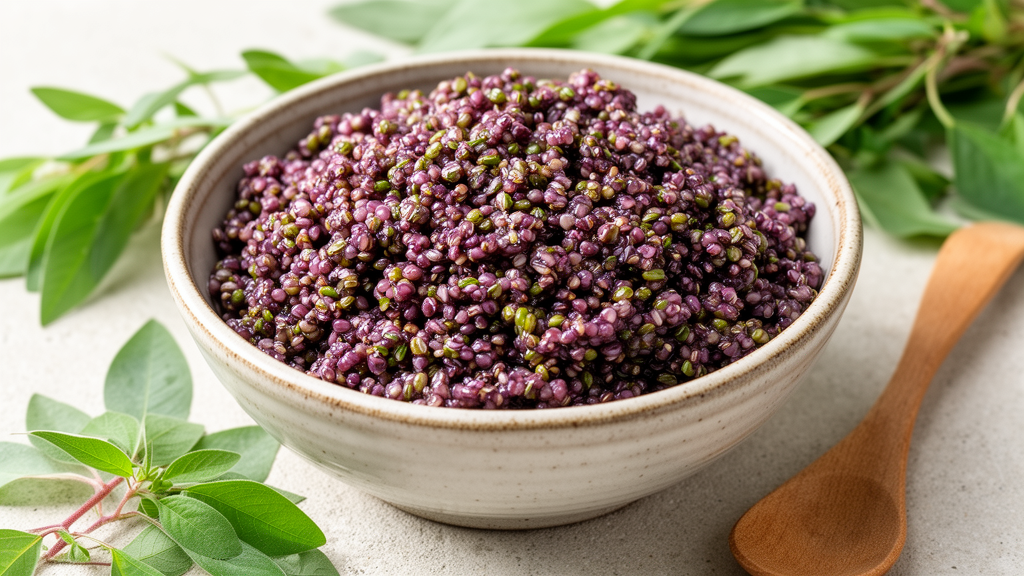
Researchers from Ningbo First Hospital and Nanchang University have published a study in Frontiers in Microbiology detailing the microbial and chemical characteristics of fermented amaranth stems, a traditional Chinese vegetable. The investigation compared samples from three distinct regions: Anhui, Jiangsu, and Zhejiang. By combining physicochemical analysis with advanced genomic and proteomic techniques, the team identified specific bacterial communities and metabolic functions associated with the product’s distinctive pungent flavor.
The research team employed a multi-omics approach to characterize the samples. They utilized 16S rRNA sequencing to profile the bacterial communities and metaproteomics to identify expressed proteins. Additionally, they performed volatile profiling to measure flavor compounds and determined free amino acid concentrations. This integrated methodology allowed for a detailed correlation between microbial composition and the sensory properties of the fermented amaranth stems. The samples were collected from Anhui, Jiangsu, and Zhejiang to assess regional variations in the fermentation process.
The pH values ranged from 4.08 to 4.39. Total titratable acidity measured between 2.7 and 3.5 mL, while viable bacterial counts ranged from 7.7 to 8.6 log CFU/g.
The bacterial community structure was dominated by two major phyla after removing chloroplast and mitochondrial-derived reads. Firmicutes constituted approximately 56% to 77% of the bacterial population, while Proteobacteria made up approximately 23% to 40%. Within these phyla, Lactobacillus, Lactococcus, and Pseudomonas were identified as the major genera.
Volatile profiling showed significant variation in total volatile concentrations among the regions. The total concentrations ranged from 99,021 to 332,864 μg/L, indicating substantial differences in the flavor profile of the samples.
Free amino acid analysis further highlighted regional differences in the chemical composition of the fermented stems. Total free amino acid concentrations were highest in the Anhui samples at 888.5 μg/mL, followed by Jiangsu at 778.0 μg/mL, and Zhejiang at 582.0 μg/mL. These findings indicate that the flavor-related traits and chemical composition of fermented amaranth stems are not uniform across different production regions.
Metaproteomics provided insights into the functional activities of the microbial community. The analysis identified 7,158 unique protein accession records, of which 3,926 received taxonomic assignments. Functional annotation of these proteins highlighted several key metabolic pathways, including carbohydrate metabolism, energy metabolism, and stress-response functions.
The study demonstrates clear region-associated differences in bacterial composition, expressed functions, and flavor-related traits. The integration of microbiome and metaproteome data provides candidate links between specific microbial activities and the sensory properties of the fermented amaranth stems. However, the authors note that these findings provide candidate microbial-functional links for future targeted validation.
Subject of Research: Microbial and metabolic analysis of fermented amaranth stems
Article Title: Integrated microbiome and metaproteome analyses reveal microbial functions underlying traditional fermented amaranth stem fermentation
Article References: Meng, L., Ze, H., Hu, X., Chen, J., Li, K., Li, Q., & Hu, W. (2026). Integrated microbiome and metaproteome analyses reveal microbial functions underlying traditional fermented amaranth stem fermentation. Frontiers in Microbiology, 17, Article 1983810. https://doi.org/10.3389/fmicb.2026.1983810
Image Credits: AI Generated
DOI: 10.3389/fmicb.2026.1983810
Keywords: fermented amaranth, microbiome, metaproteomics, food science, lactic acid bacteria, flavor chemistry, 16S rRNA sequencing, traditional food, Integrated, metaproteome, analyses, reveal
News Source: Morgan Morrow. (November 8, 2026). Microbiome Study Maps Flavor in Fermented Amaranth. Scienmag.