• HOME
  • NEWS
  • EXPLORE
    • CAREER
      • Companies
      • Jobs
    • EVENTS
    • iGEM
      • News
      • Team
    • PHOTOS
    • VIDEO
    • WIKI
  • BLOG
  • COMMUNITY
    • FACEBOOK
    • INSTAGRAM
    • TWITTER
Wednesday, November 18, 2026
BIOENGINEER.ORG
No Result
View All Result
  • Login
  • HOME
  • NEWS
  • EXPLORE
    • CAREER
      • Companies
      • Jobs
        • Lecturer
        • PhD Studentship
        • Postdoc
        • Research Assistant
    • EVENTS
    • iGEM
      • News
      • Team
    • PHOTOS
    • VIDEO
    • WIKI
  • BLOG
  • COMMUNITY
    • FACEBOOK
    • INSTAGRAM
    • TWITTER
No Result
View All Result
Bioengineer.org
No Result
View All Result
Home NEWS Science News Biology

Microbes Survive Severe Water Loss Through Reversible Dormancy for Millennia

by
November 18, 2026
in Biology
Reading Time: 2 mins read
0
Microbes Survive Severe Water Loss Through Reversible Dormancy for Millennia

Microbes Survive Severe Water Loss Through Reversible Dormancy for Millennia

Share on FacebookShare on TwitterShare on LinkedinShare on RedditShare on Telegram

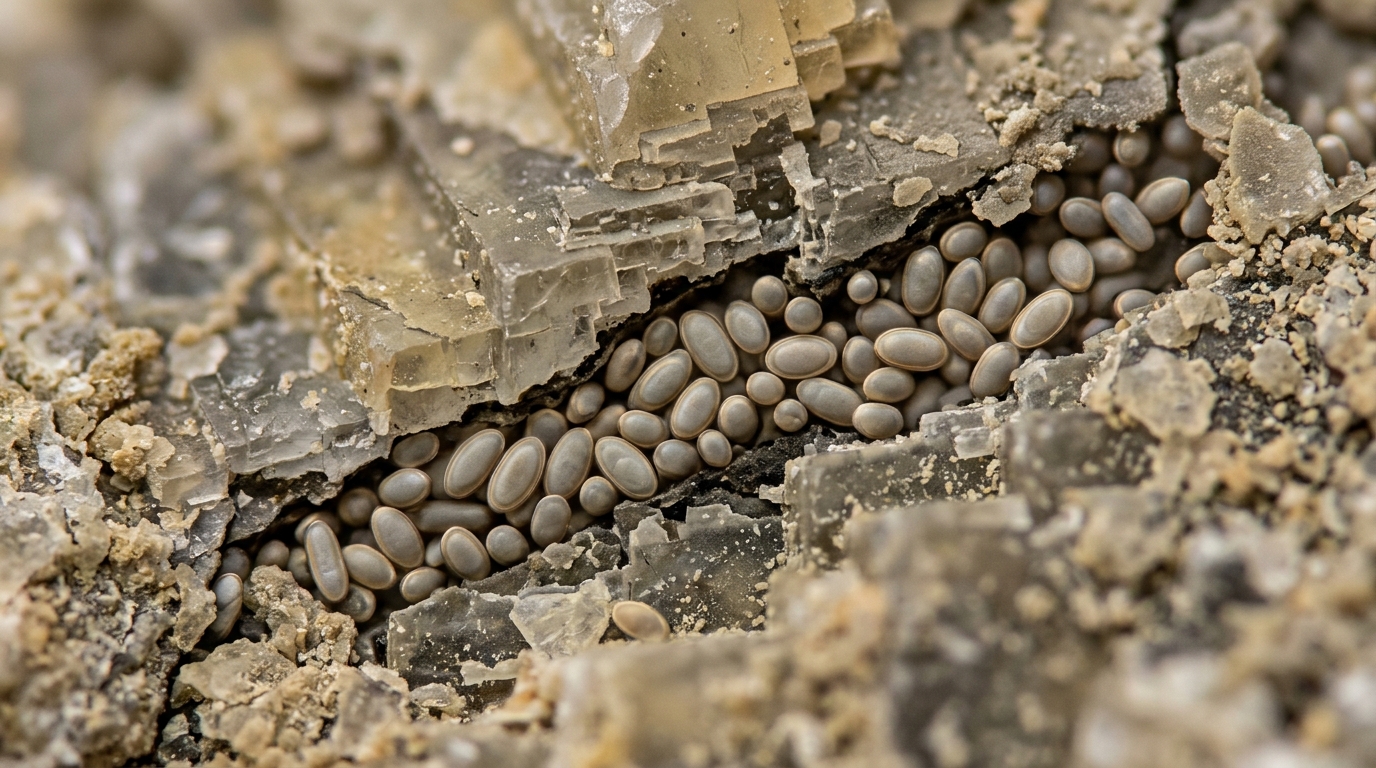
In a mini review published in Applied Microbiology and Biotechnology, researchers Naga Pavan Kumar Reddy Jonnagiri and Marek Kieliszek examine microbial anhydrobiosis, a state enabling diverse microorganisms to survive extreme cellular water loss. Although water is fundamental to life, certain microbes endure desiccation by losing nearly all intracellular water and entering a reversible, near-metabolically inactive state. This dormancy can persist for durations ranging from hours to millennia, until rehydration ultimately restores cellular activity.

The authors emphasize that microbial anhydrobiosis represents more than a transient pause in activity; it constitutes an essential biological state whose implications extend from individual organisms to collective communities, evolutionary pathways, and broader ecosystems. Jonnagiri and Kieliszek synthesize existing findings across biological tiers, beginning with the specific molecular protection mechanisms that safeguard cellular integrity during extreme dehydration and allow survival under otherwise lethal conditions.

Beyond single-cell survival, the review details how desiccation and rehydration govern community dynamics. When water returns, microbial communities undergo distinct filtering and reassembly processes, demonstrating that drying–rewetting cycles actively reshape community composition. At the evolutionary scale, the authors evaluate evidence indicating that recurring bouts of extreme drying exert lasting consequences on microbial genomes over generations.

The review further assesses the practical and industrial relevance of microbial anhydrobiosis. In practical contexts, this biology is relevant to food safety, probiotic manufacture, and the human microbiome.

The ecological significance of this phenomenon is expanding under global climate shifts. Jonnagiri and Kieliszek note that ongoing climate change intensifies cyclic drying and rewetting, subjecting natural habitats and microbial assemblages to increasingly frequent and severe fluctuations in water availability.

Significant scientific questions nonetheless remain unresolved. Questions remain about whether survival during extreme water loss leads to long-term evolutionary changes and whether the persistence and recovery of microbial communities are linked to the restoration of ecological function. Addressing these knowledge gaps will require standardizing research methods, directly comparing evolutionary capacities across distinct groups of organisms, and clarifying how microbial regeneration supports ecosystem functioning.

Subject of Research: Microbial anhydrobiosis and ecosystem dynamics during desiccation

Article Title: The dry state of life: microbial anhydrobiosis, dormancy, and the hidden dynamics of ecosystem

Article References: Jonnagiri, N. P. K. R., & Kieliszek, M. (2026). The dry state of life: microbial anhydrobiosis, dormancy, and the hidden dynamics of ecosystem. Applied Microbiology and Biotechnology. https://doi.org/10.1007/s00253-026-14114-3

Image Credits: AI Generated

DOI: 10.1007/s00253-026-14114-3

Keywords: anhydrobiosis, microbial dormancy, desiccation tolerance, drying-rewetting cycles, cellular protection mechanisms, rehydration, community reassembly, microbial ecology, climate change impacts, probiotic manufacture, food safety, human microbiome, genome adaptation, ecosystem functioning, metabolic inactivity, Applied Microbiology and Biotechnology

News Source: Morgan Morrow. (November 18, 2026). Microbes Survive Severe Water Loss Through Reversible Dormancy for Millennia. Scienmag.

Tags: anhydrobiosisApplied Microbiology and Biotechnologycellular protection mechanismsclimate change impactscommunity reassemblydesiccation tolerancedrying-rewetting cyclesecosystem functioningfood safetygenome adaptationhuman microbiomemetabolic inactivitymicrobial dormancyMicrobial ecologyprobiotic manufacturerehydration
Share12Tweet7Share2ShareShareShare1

Related Posts

Wayanad Ethnobotanical Survey Uncovers Distinct Mullu Kuruma Medicinal Plant Repertoire

Wayanad Ethnobotanical Survey Uncovers Distinct Mullu Kuruma Medicinal Plant Repertoire

November 18, 2026
Recombinant Vaccine Candidates Elicit Antibodies and Reduce Virulence Gene Expression in Mice

Recombinant Vaccine Candidates Elicit Antibodies and Reduce Virulence Gene Expression in Mice

November 18, 2026

Rice Hormone Networks Balance Stress Survival Against Grain Yield Formation

November 18, 2026

Alnus trabeculosa Tree Compounds Protect Mitochondria in Parkinson’s Disease Cellular Models

November 18, 2026

POPULAR NEWS

  • Area Disadvantage Outweighs Personal Socioeconomic Status in Chronic Hepatitis B Liver Fibrosis

    Area Disadvantage Outweighs Personal Socioeconomic Status in Chronic Hepatitis B Liver Fibrosis

    29 shares
    Share 12 Tweet 7
  • Seven-Country Study Finds EQ-5D Captures Core Aspects of Poor Health Across Cultures

    29 shares
    Share 12 Tweet 7
  • Alnus trabeculosa Tree Compounds Protect Mitochondria in Parkinson’s Disease Cellular Models

    29 shares
    Share 12 Tweet 7
  • Dordaviprone Review Details Multi-Pathway Activity Against Aggressive Midline Gliomas

    29 shares
    Share 12 Tweet 7

About

We bring you the latest biotechnology news from best research centers and universities around the world. Check our website.

Follow us

Recent News

Injectable Exosome-Loaded Nanocomposite Hydrogel Promotes Bone Repair Signaling In Vitro

Participatory System Dynamics Modelling Guides Regional Youth Mental Health Policy and Investment

Higher Phase Angle Associates With Lower Hemodialysis Mortality Before Diabetes Adjustment

Subscribe to Blog via Email

Enter your email address to subscribe to this blog and receive notifications of new posts by email.

Join 88 other subscribers
  • Contact Us

Bioengineer.org © Copyright 2023 All Rights Reserved.

Welcome Back!

Login to your account below

Forgotten Password?

Retrieve your password

Please enter your username or email address to reset your password.

Log In
No Result
View All Result
  • Homepages
    • Home Page 1
    • Home Page 2
  • News
  • National
  • Business
  • Health
  • Lifestyle
  • Science

Bioengineer.org © Copyright 2023 All Rights Reserved.