


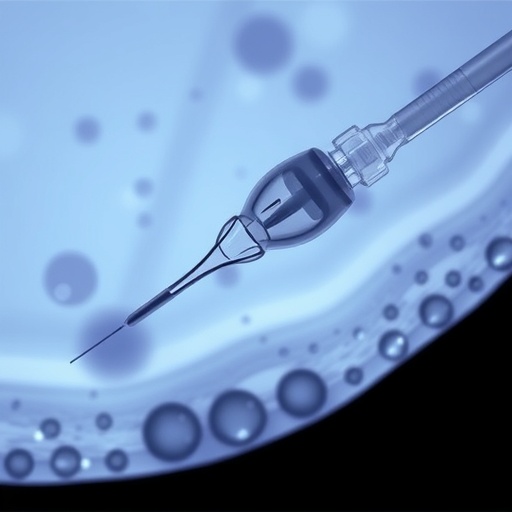
In the realm of reproductive biology, advances continue to shape the future of fertility treatments. A recent publication has unveiled a groundbreaking method for enhancing fertilization and oocyte utilization in intracytoplasmic sperm injection (ICSI). This innovative approach, described in research led by Liu, Wang, and Li, centers on a technique known as micro-rubbing sperm immobilization. The implications of this foundational research could transform reproductive medicine and offer new hope to couples facing infertility challenges worldwide.
Intracytoplasmic sperm injection is a widely used assisted reproductive technology where a single sperm cell is injected directly into an oocyte. Traditionally, the efficacy of this method has depended heavily on the quality and motility of the sperm. However, the effectiveness of ICSI can vary significantly among patients, leading to a pressing need for methods to enhance sperm interaction with oocytes. The novel technique proposed in this study aims to address this gap by employing a micro-rubbing process that immobilizes sperm, thereby potentially augmenting fertilization success rates.
The micro-rubbing sperm immobilization technique is grounded in the principles of mechanobiology, where physical forces are used to induce biological changes. By applying controlled micro-rubbing techniques, researchers have found that they can precisely manipulate sperm characteristics, such as motility and orientation. This process not only immobilizes the sperm but also optimizes its interaction with the oocyte, a crucial factor in successful fertilization.
Initial findings indicate that this technique increases the likelihood of sperm-oocyte fusion, suggesting a significant leap forward in the reliability of ICSI procedures. In controlled laboratory settings, sperm subjected to micro-rubbing demonstrated improved performance compared to their non-immobilized counterparts. These results are promising for addressing the neurological and physical barriers that can hinder fertilization.
Beyond physiology, the technique also raises important considerations for the practical aspects of ICSI. Clinics across the globe may harness the advantages of micro-rubbing sperm immobilization to enhance their fertilization protocols. The necessity for minimal external intervention in the fertilization process underscores the potential of this technique to simplify procedures and reduce the overall burden on patients.
As the research unfolds, the application of micro-rubbing is anticipated to have far-reaching impacts. It stands to benefit a diverse range of patients, from those with male factor infertility—characterized by low sperm motility—to individuals who have previously experienced unsuccessful ICSI attempts. This breadth of application provides an encouraging outlook for enhancing overall reproductive success across various demographics.
Moreover, the technique’s adaptability to laboratory environments allows for further exploration of its mechanisms and effects. Future studies are likely to delve deeper into the cellular and molecular responses elicited by sperm immobilization techniques. A better understanding of these biological underpinnings could facilitate optimization of the micro-rubbing process, tailored to individual patient needs, thus further increasing the technique’s efficacy.
Ethical implications also accompany the introduction of new fertility technologies. As reproductive medicine evolves, so too does the discourse surrounding the moral and ethical considerations of such interventions. Questions regarding the manipulation of reproductive biology are paramount, especially when considering the potential implications for offspring. As variants of assisted reproductive technologies emerge, it is essential that ongoing dialogues surrounding these technologies remain robust and tangential to scientific advancement.
Concomitantly, patient education will be crucial in the dissemination and acceptance of the micro-rubbing technique. Open discussions about the nature of new research findings, procedural modifications, and expected outcomes will empower couples seeking assistance with infertility issues. As clinicians adopt and implement innovative strategies, ensuring that patients are well-informed may enhance their overall experience and treatment satisfaction.
The emergence of efficacious methods such as micro-rubbing sperm immobilization signals a promising evolution in reproductive technologies. As this research gains traction both in laboratories and clinical settings, it could redefine standards of care in fertility treatments. The integration of cutting-edge techniques that bolster success in ICSI is not only a marvel of scientific achievement but also a beacon of hope for families yearning for children.
In conclusion, the overarching narrative arising from the foundational work by Liu, Wang, and Li encapsulates the essence of innovation in reproductive health. The micro-rubbing sperm immobilization technique serves as a testament to the power of science in addressing age-old challenges associated with fertility. As studies progress and methodologies refine, the journey from laboratory breakthrough to clinical application could yield significant improvement in reproductive outcomes, potentially altering countless lives in the years to come.
As we stand on the brink of this new era in reproductive medicine, there is an air of optimism surrounding the potential to relieve the heartbreak of infertility. Groundbreaking research like this marks pivotal points in understanding and leveraging technology for human reproduction. The future is indeed bright, as advancements such as micro-rubbing sperm immobilization take center stage in this vital field of study.
In sum, the research conducted by Liu, Wang, and Li not only showcases the ingenuity of scientific inquiry but also illuminates a path forward for couples facing the trials of infertility. The intersection of technology and biology captured within this study reveals exciting opportunities for advancing reproductive health technologies, making it an exciting time for both researchers and patients alike.
Given the stakes involved, the ripple effect of this innovation could be transformative, potentially increasing the success rates of fertility treatments and enhancing the experience of individuals navigating their reproductive journeys.
Subject of Research: Micro-rubbing sperm immobilization in intracytoplasmic sperm injection.
Article Title: Micro-rubbing sperm immobilization promotes fertilization and oocyte utilization in intracytoplasmic sperm injection.
Article References: Liu, S., Wang, H., Li, M. et al. Micro-rubbing sperm immobilization promotes fertilization and oocyte utilization in intracytoplasmic sperm injection. J Ovarian Res 18, 245 (2025). https://doi.org/10.1186/s13048-025-01829-6
Image Credits: AI Generated
DOI: https://doi.org/10.1186/s13048-025-01829-6
Keywords: Fertility, Micro-rubbing, Sperm immobilization, Intracytoplasmic sperm injection, Reproductive technology, Infertility.
Tags: assisted reproductive technology breakthroughsenhancing fertilization techniquesfertility treatment research developmentsinfertility solutions for couplesintracytoplasmic sperm injection advancementsmechanobiology in fertility treatmentsmicro-rubbing sperm immobilizationnovel ICSI techniquesoocyte utilization optimizationreproductive biology innovationssperm motility enhancement methodssperm-oocyte interaction improvement



