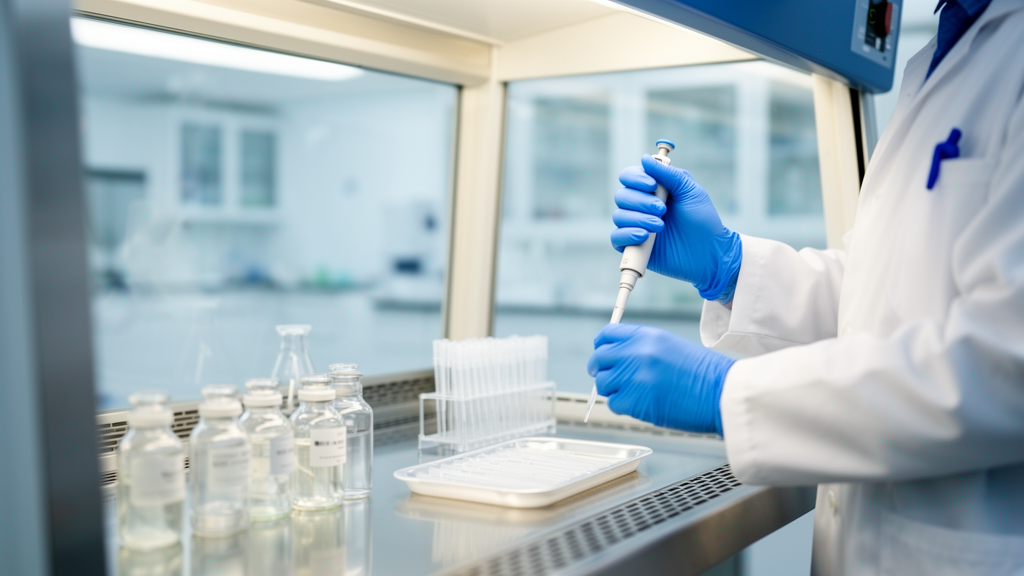
A comprehensive systematic review and meta-analysis examining experimental protocols for allergic rhinitis in laboratory mice has revealed that the manifestation of allergic disease markers depends directly on specific combinations of sensitizing antigen and adjuvant dosing. Allergic rhinitis represents a widespread chronic inflammatory disease of the nasal mucosa affecting over 400 million individuals globally, driving substantial socioeconomic burdens and impairing daily productivity through type I hypersensitivity reactions and T helper 2 immune pathways. To replicate this mucosal pathology under controlled laboratory conditions, preclinical researchers frequently combine the model protein ovalbumin with an aluminum hydroxide adjuvant to provoke allergic rhinitis in mice. However, historical experimental protocols across laboratories have incorporated widely divergent dosages, injection frequencies, and intranasal challenge schedules. By quantitatively synthesizing evidence from dozens of published investigations, researchers have determined that three systemic intraperitoneal sensitizations followed by consecutive daily intranasal challenges reliably induce allergic rhinitis phenotypes, while demonstrating that particular outcome measures—ranging from immediate nasal behavioral reflexes to profound mucosal eosinophil infiltration—respond selectively to distinct ovalbumin and adjuvant concentrations.
The underlying biological mechanisms of allergic rhinitis begin when inhaled allergens encounter the nasal mucosal epithelium, activating local dendritic cells that present antigens to naïve T lymphocytes and stimulate their differentiation into T helper 2 cells. These specialized helper cells secrete characteristic cytokines, including interleukin-4, interleukin-5, and interleukin-13. Interleukin-4 and interleukin-13 cooperate to stimulate immunoglobulin E class switching in B lymphocytes, generating circulating allergen-specific antibodies that bind tightly to high-affinity Fc epsilon receptors situated across mast cells and basophils. Subsequent exposure to the allergen cross-links these bound antibodies, prompting cellular degranulation and the rapid discharge of histamine, leukotrienes, and prostaglandins that produce classic immediate symptoms like sneezing and nasal itching. Concurrently, interleukin-5 directs the systemic maturation, recruitment, activation, and mucosal survival of eosinophils, which migrate into nasal tissues to amplify late-phase inflammatory damage. In mouse models, combining ovalbumin with aluminum hydroxide adjuvant replicates this allergic cascade because aluminum hydroxide adsorbs antigens, promotes antigen uptake by presenting cells, and stimulates T helper 2-biased immunity, while ovalbumin acts as a well-characterized, stable foreign immunogen.
To rigorously evaluate how varying experimental parameters alter the induction of these allergic features, investigators conducted a systematic search across PubMed, Embase, Web of Science, and the Cochrane Library through April 2026. Following Preferred Reporting Items for Systematic Reviews and Meta-Analyses guidelines, the authors identified 2,684 initial records and screened 1,135 full texts. Studies were required to be original animal experiments in English that clearly specified the ovalbumin and aluminum hydroxide dosages, administrative schedules, and included both normal control and allergic rhinitis model cohorts. The final systematic review gathered 75 mouse studies, with 64 investigations focusing exclusively on BALB/c mice. Mice belonging to the BALB/c strain accounted for 85.33 percent of all analyzed studies, whereas C57BL/6 mice appeared in seven studies, and strains such as ICR, 129/Sv, and Kunming were evaluated in only minor numbers. Because BALB/c mice naturally possess a strong immunological predisposition toward T helper 2 responses, marked by elevated immunoglobulin E production and pronounced eosinophilia compared to strains like C57BL/6, the quantitative meta-analysis focused on the homogeneous BALB/c dataset.
Methodological quality across the primary literature was systematically evaluated using the SYRCLE risk-of-bias tool tailored for animal intervention experiments. This assessment showed that baseline animal characteristics such as age, sex, and body weight were clearly described in only seventeen studies, granting them low risk ratings in baseline comparability, while the majority of published papers failed to report sufficient information regarding allocation concealment, random housing conditions, or caregiver and investigator blinding. Furthermore, seven studies were determined to carry a high risk of bias regarding incomplete outcome data due to missing figures, unclear animal attrition, or selective outcome reporting. Overall, most SYRCLE assessment domains across the literature received unclear risk ratings, highlighting widespread deficits in animal experimental reporting standards. Statistical pooling was conducted using Stata version 14.0 under random-effects models that calculated standardized mean differences with 95 percent confidence intervals to accommodate procedural diversity across laboratories, alongside descriptive modeling statistics compiled using IBM SPSS Statistics version 27.0.
Analysis of systemic sensitization procedures demonstrated that the literature overwhelmingly favored three intraperitoneal injections administered once weekly, typically on days 0, 7, and 14. Despite this shared temporal framework, investigators utilized distinctly different mass ratios of ovalbumin and aluminum hydroxide adjuvant. The single most prevalent sensitization combination, identified in 15 studies representing 23.43 percent of the BALB/c literature, paired 50 micrograms of ovalbumin with 1 milligram of aluminum hydroxide. Other common variations included 25 micrograms of ovalbumin with 2 milligrams of adjuvant in 14.06 percent of studies, 100 micrograms of ovalbumin with 2 milligrams of adjuvant in 12.50 percent, 100 micrograms of ovalbumin with 4 milligrams of adjuvant in 9.38 percent, and 25 micrograms of ovalbumin with 1 milligram of adjuvant in 6.25 percent. Across the subsequent intranasal challenge phase, protocols concentrated heavily on daily administrations over 7 or 8 consecutive days, with the most widely used regimen applying 100 micrograms of ovalbumin daily for seven days from day 0 to day 6 in 12.50 percent of studies, followed by 800 micrograms daily for eight days in 9.38 percent, and 400 micrograms or 500 micrograms daily across seven days in 7.81 percent of studies each.
When pooled across all included BALB/c experiments, the ovalbumin and aluminum hydroxide model demonstrated powerful overall capacity to reproduce cardinal allergic rhinitis manifestations relative to untreated controls. Behavioral observations confirmed massive elevations in acute nasal reflexes across every recorded time window. Within a 10-minute period following intranasal challenge, model animals exhibited sharp rises in sneezing with a pooled standardized mean difference of 5.85 and nasal rubbing frequency with an effect size of 5.33. Over a 15-minute window, pooled standardized mean differences reached 4.24 for sneezing and 4.03 for nasal rubbing, while a 20-minute observation window yielded standardized mean differences of 7.21 for sneezing and 4.66 for nasal rubbing. Immunological assays corroborated these behavioral manifestations, demonstrating significant surges in circulating total immunoglobulin E with an effect size of 4.51 and ovalbumin-specific immunoglobulin E with an effect size of 8.53. Local histopathological analyses revealed severe tissue damage characterized by profound eosinophil infiltration into the nasal mucosa, producing a pooled standardized mean difference of 6.58.
Cytokine profiling of both systemic circulation and local mucosal washes verified intense activation of T helper 2 pathways in sensitized and challenged mice. In peripheral blood, serum interleukin-4 levels showed a significant increase with a pooled standardized mean difference of 4.09, while serum interleukin-5 levels increased with an effect size of 5.40. Within the local nasal microenvironment, analysis of nasal lavage fluid documented substantial inflammatory cytokine accumulation, yielding a pooled standardized mean difference of 5.45 for local interleukin-4 and 4.56 for local interleukin-5. Nevertheless, between-study heterogeneity remained consistently elevated across every primary endpoint, with I-squared values spanning from 65.7 percent to 91.5 percent. These high values confirmed that substantial variance in effect sizes existed across independent laboratory experiments, pointing to major procedural, biological, or analytical discrepancies among the published studies.
Subgroup analyses stratified by specific dosage combinations revealed that the magnitude of model induction was endpoint-dependent rather than uniform across all biological markers. In behavioral assessments, the number of sneezing events recorded within 10 minutes differed significantly across sensitization protocols, where mice sensitized with 100 micrograms of ovalbumin and 2 milligrams of adjuvant achieved the highest pooled effect size of 7.63, closely followed by the 25 microgram ovalbumin and 2 milligram adjuvant subgroup at 7.42. Conversely, subgroup differences failed to reach statistical significance for sneezing within 15 minutes, nasal scratching within 10 minutes, or nasal scratching within 15 minutes. For local tissue pathology, sensitization using 50 micrograms of ovalbumin combined with 1 milligram of adjuvant induced the most pronounced mucosal eosinophil recruitment, generating a standardized mean difference of 9.32. When examining nasal lavage fluid, mice sensitized with 25 micrograms of ovalbumin and 2 milligrams of adjuvant exhibited the strongest induction of local interleukin-5, reaching an effect size of 7.75, whereas ovalbumin-specific immunoglobulin E and lavage interleukin-4 did not demonstrate statistically significant between-subgroup divergence across sensitization doses.
Evaluating the intranasal challenge phase through subgroup comparisons similarly highlighted outcome-specific influences on local airway inflammation. Intranasal challenge variations did not generate statistically significant differences in 15-minute sneezing, 15-minute nasal rubbing, or circulating ovalbumin-specific immunoglobulin E. However, local mucosal parameters reacted strongly to challenge dosing. Administering 400 micrograms of ovalbumin daily for seven consecutive days from day 0 to day 6 produced the largest pooled effect size for nasal mucosal eosinophil infiltration at 8.26, followed closely by five consecutive days of 400 microgram challenges at 8.15. For nasal lavage interleukin-4, five consecutive days of 400 microgram ovalbumin challenges established the highest effect size of 9.95, while challenge variations showed no significant differences for lavage interleukin-5. In subsequent meta-regression analyses, neither sensitization nor challenge protocols reached formal statistical significance as independent moderators of pooled effect sizes, leaving substantial residual heterogeneity unexplained and indicating that combinations of experimental duration, sampling timing, antigen purity, endotoxin contamination, and animal baseline features interact to drive model variance.
The meta-analysis also identified widespread publication bias across all evaluated parameters using Begg’s rank correlation test, which yielded significant P values below 0.001 for sneezing, nasal rubbing, ovalbumin-specific immunoglobulin E, mucosal eosinophil counts, and lavage cytokines. To evaluate whether this reporting asymmetry compromised the primary conclusions, researchers applied the trim-and-fill method, which demonstrated that although adjusted effect sizes experienced moderate attenuation—such as ovalbumin-specific immunoglobulin E adjusting to 5.331 and mucosal eosinophil infiltration adjusting to 4.586—all corrected estimates maintained strong statistical significance with P values below 0.001. Leave-one-out sensitivity analyses further confirmed that sequentially removing individual studies did not alter the direction or significance of any pooled outcome. Finally, applying an adapted GRADE framework for preclinical animal literature resulted in very low certainty ratings across major outcomes, driven by high risk of bias, substantial statistical heterogeneity, imprecision, and small-study publication bias. Consequently, while three intraperitoneal sensitizations paired with five to seven consecutive daily intranasal challenges provide a validated, evidence-backed foundation for allergic rhinitis induction in BALB/c mice, researchers must tailor specific antigen and adjuvant doses directly to their primary experimental endpoints.
Subject of Research: Systematic review and meta-analysis of ovalbumin and aluminum hydroxide allergic rhinitis mouse models
Article Title: Parameter analysis of an ovalbumin combined with aluminum hydroxide adjuvant-induced allergic rhinitis model in BALB/c mice: a systematic review and meta-analysis
Article References: Chen, F., Zhou, X., Niu, Z., Li, L., & Li, G. (2026). Parameter analysis of an ovalbumin combined with aluminum hydroxide adjuvant-induced allergic rhinitis model in BALB/c mice: a systematic review and meta-analysis. BMC Immunology, 27(1), Article 100. https://doi.org/10.1186/s12865-026-00880-2
Image Credits: AI Generated
DOI: 10.1186/s12865-026-00880-2
Keywords: Allergic Rhinitis, Ovalbumin, Aluminum Hydroxide, BALB/c Mice, Systematic Review, Meta-Analysis, Eosinophil Infiltration, Immunoglobulin E, Type 2 Inflammation, Parameter, analysis, combined
News Source: Ophelia Keating. (November 10, 2026). Meta-Analysis Identifies Optimal Protocol Parameters for Modeling Allergic Rhinitis in Mice. Scienmag.