

• HOME
  • NEWS
  • EXPLORE
    • CAREER
      • Companies
      • Jobs
    • EVENTS
    • iGEM
      • News
      • Team
    • PHOTOS
    • VIDEO
    • WIKI
  • BLOG
  • COMMUNITY
    • FACEBOOK
    • INSTAGRAM
    • TWITTER
Saturday, December 20, 2025
BIOENGINEER.ORG
No Result
View All Result
  • Login
  • HOME
  • NEWS
  • EXPLORE
    • CAREER
      • Companies
      • Jobs
        • Lecturer
        • PhD Studentship
        • Postdoc
        • Research Assistant
    • EVENTS
    • iGEM
      • News
      • Team
    • PHOTOS
    • VIDEO
    • WIKI
  • BLOG
  • COMMUNITY
    • FACEBOOK
    • INSTAGRAM
    • TWITTER
  • HOME
  • NEWS
  • EXPLORE
    • CAREER
      • Companies
      • Jobs
        • Lecturer
        • PhD Studentship
        • Postdoc
        • Research Assistant
    • EVENTS
    • iGEM
      • News
      • Team
    • PHOTOS
    • VIDEO
    • WIKI
  • BLOG
  • COMMUNITY
    • FACEBOOK
    • INSTAGRAM
    • TWITTER
No Result
View All Result
Bioengineer.org
No Result
View All Result
Home NEWS Science News Biology

Memory games: Eating well to remember

Bioengineer by Bioengineer
February 18, 2020
in Biology
Reading Time: 2 mins read
0
IMAGE
Share on FacebookShare on TwitterShare on LinkedinShare on RedditShare on Telegram

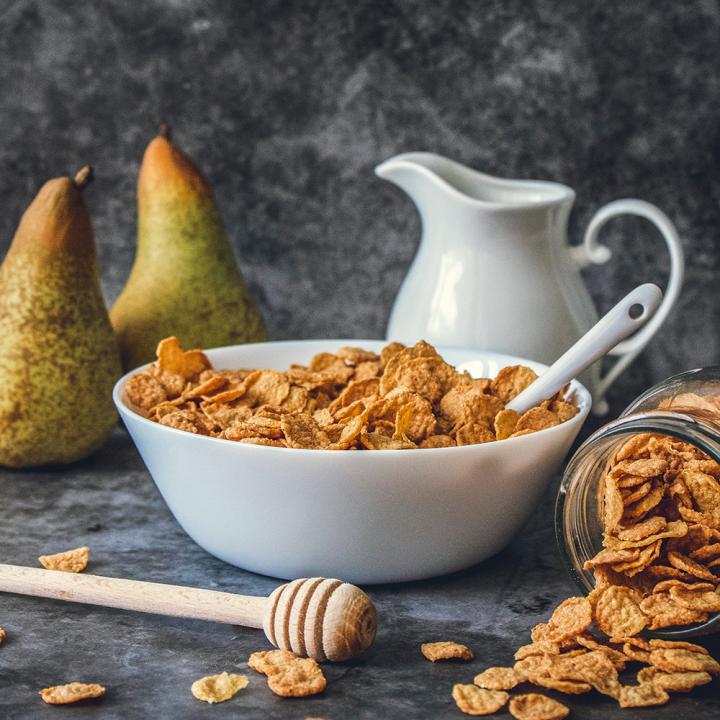
UTS researchers have uncovered a strong link between the consumption of certain food groups and memory loss and comorbid heart disease
IMAGE

Credit: Unsplash.com


A healthy diet is essential to living well, but as we age, should we change what we eat?

UTS research fellow Dr Luna Xu has studied data from 139,000 older Australians and found strong links between certain food groups, memory loss and comorbid heart disease or diabetes.

Dr Xu found high consumption of fruit and vegetables was linked to lowered odds of memory loss and its comorbid heart disease. High consumption of protein-rich foods was associated with a better memory.

Dr Xu also found the link between food group and memory status may vary among different older age groups. People aged 80 years and over with a low consumption of cereals are at the highest risk of memory loss and its comorbid heart disease, her research showed.

“Our present study implies that the healthy eating suggestions of cereals consumption in the prevention of memory loss and comorbid heart disease for older people may differ compared to other age groups,” said Dr Xu, who holds a Heart Foundation postdoctoral research fellowship.

She said the study pointed to a need for age-specific healthy dietary guidelines.

Memory loss is one of the main early symptoms for people with dementia, which is the second leading cause of death of Australians. People living with dementia have on average between two and eight comorbid conditions, which may accelerate cognitive and functional impairment. The most common comorbidities in dementia include cardiovascular diseases, diabetes and hypertension.

“The dietary intervention in chronic disease prevention and management, by taking into consideration the fact that older populations often simultaneously deal with multiple chronic conditions, is a real challenge,” Dr Xu said.

“To achieve the best outcome for our ageing population, strong scientific evidence that supports effective dietary intervention in preventing and managing co-occurring chronic conditions, is essential.”

###

Dr Xu and her co-researchers used data collected by the Sax Institute’s 45 and Up Study, the largest ongoing study of healthy ageing in the Southern Hemisphere.

The article Eating and healthy ageing: a longitudinal study on the association between food consumption, memory loss and its comorbidities is published in the International Journal of Public Health.

Media Contact
Fiona McGill
[email protected]
61-428-883-325

Related Journal Article

http://dx.doi.org/10.1007/s00038-020-01337-y

Tags: AgingCardiologyDiabetesDiet/Body WeightEating Disorders/ObesityFood/Food ScienceGerontologyMedicine/HealthNutrition/NutrientsPublic Health
Share12Tweet8Share2ShareShareShare2

Related Posts

Targeted Knock-In of Mouse Y Chromosomal Genes

Targeted Knock-In of Mouse Y Chromosomal Genes

December 20, 2025
Choosing Models: Linking Cat Intake to Socioeconomics

Choosing Models: Linking Cat Intake to Socioeconomics

December 19, 2025

Unraveling Proanthocyanidin Gene LAR’s Evolutionary Journey

December 19, 2025

Streptococcus Protein Triggers PBP1a for Cell Division

December 19, 2025
Please login to join discussion

POPULAR NEWS

  • Nurses’ Views on Online Learning: Effects on Performance

    Nurses’ Views on Online Learning: Effects on Performance

    70 shares
    Share 28 Tweet 18
  • NSF funds machine-learning research at UNO and UNL to study energy requirements of walking in older adults

    70 shares
    Share 28 Tweet 18
  • Unraveling Levofloxacin’s Impact on Brain Function

    53 shares
    Share 21 Tweet 13
  • Exploring Audiology Accessibility in Johannesburg, South Africa

    51 shares
    Share 20 Tweet 13

About

We bring you the latest biotechnology news from best research centers and universities around the world. Check our website.

Follow us

Recent News

Assessing the K-NHSPSC: Korean Patient Safety Culture Insights

Spot Urine CA 19-9: New Insights in Pediatric Hydronephrosis

Discharge Choices for Elderly Surgical Patients Explored

Subscribe to Blog via Email

Enter your email address to subscribe to this blog and receive notifications of new posts by email.

Join 70 other subscribers
  • Contact Us

Bioengineer.org © Copyright 2023 All Rights Reserved.

Welcome Back!

Login to your account below

Forgotten Password?

Retrieve your password

Please enter your username or email address to reset your password.

Log In
No Result
View All Result
  • Homepages
    • Home Page 1
    • Home Page 2
  • News
  • National
  • Business
  • Health
  • Lifestyle
  • Science

Bioengineer.org © Copyright 2023 All Rights Reserved.


